The world has shifted toward embracing workplace diversity, yet a startling paradox persists in corporate America. While 88% of employees with invisible disabilities have disclosed their condition to at least one person at work, these same brilliant professionals are simultaneously hiding their authentic selves from the very colleagues they collaborate with daily.
This disclosure dilemma reveals a troubling truth: sharing medical information with HR doesn't equal workplace inclusion. Instead, it exposes a calculated survival strategy where talented individuals compartmentalize their disability disclosure while concealing their struggles from peers, creating an exhausting double life that undermines both personal well-being and organizational potential.
The Selective Disclosure Strategy
The 88% figure masks a more complex reality about who receives disability information and who remains deliberately excluded. According to Deloitte's comprehensive workplace study, while 78% of employees tell HR and 73% inform their direct supervisor, only 35% disclose to peers of equal or lesser seniority, and just 31% tell colleagues outside their immediate team.
This pattern isn't accidental: it's strategic. Brilliant professionals are making calculated risk assessments, sharing information only with authority figures while actively concealing their invisible disabilities from the people they work alongside every day. They're creating professional personas that hide chronic pain, ADHD, autism, anxiety, depression, and countless other conditions that could enhance team diversity if openly acknowledged.

The selective disclosure strategy reveals how employees navigate competing priorities: legal protection through formal disclosure versus social acceptance through continued concealment. They disclose to HR for documentation purposes while hiding from peers to avoid judgment, creating a workplace version of "don't ask, don't tell."
The Fear Factor: Why Hiding Becomes Survival
Fear drives the disclosure dilemma more than any other factor. Research consistently shows that 73% of people with invisible disabilities cite the risk of being fired or not hired as a primary concern when deciding whether to reveal their condition. For brilliant professionals who've built successful careers, this fear becomes amplified: they have more to lose.
The fear extends beyond job security into deeper concerns about professional identity. Talented individuals worry that disability disclosure will fundamentally alter how colleagues perceive their competence. They anticipate being passed over for promotions, losing status and authority, or having every workplace challenge attributed to their condition rather than normal professional obstacles.
Previous negative experiences compound these fears. Twenty-one percent of respondents reported negative outcomes from disclosing to previous employers, creating a learned response where brilliant professionals conclude that hiding invisible disabilities is simply safer than risking discrimination, even when legal protections exist.
The Stigma-Concealment Cycle
Workplace stigma transforms disability disclosure from a neutral sharing of information into a high-stakes vulnerability. Employees with invisible conditions like fibromyalgia, chronic fatigue, mental health conditions, or neurodivergence encounter what researchers describe as "huge stigma" from colleagues without firsthand experience of these conditions.
This stigma creates a vicious cycle. The more professionals hide their invisible disabilities, the more these conditions remain invisible to colleagues, perpetuating misconceptions and stereotypes. Coworkers may view accommodation requests as special treatment, interpret illness-related absences as laziness, or assume that invisible conditions aren't "real" disabilities.
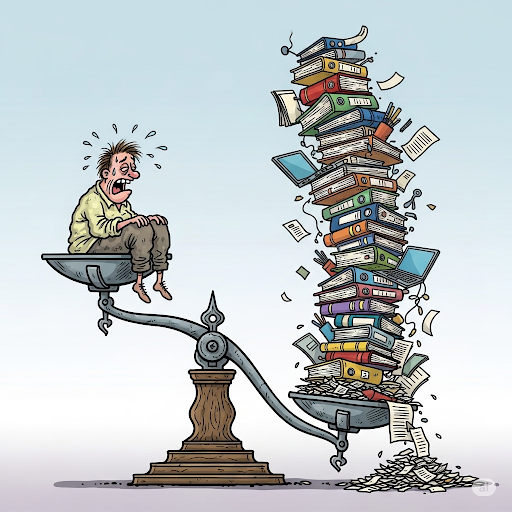
The daily burden of concealment becomes a performance in itself. Employees must actively hide flare-ups, manage symptoms privately, and maintain the appearance of an able-bodied professional throughout their workday. For those in competitive environments, this concealment adds another layer of stress to already demanding roles.

The Accommodation Paradox
Even among professionals who overcome their fears to disclose invisible disabilities, requesting workplace accommodations remains surprisingly rare. Only 25% of employees who disclosed to their employer actually asked for reasonable adjustments, revealing how disclosure and accommodation requests exist as separate, equally difficult decisions.
Among those brave enough to request accommodations, the system frequently fails them. Seventy-four percent had at least one request rejected, with employers citing cost (41%), difficulty (30%), or claims that requests were unreasonable (29%). This high rejection rate teaches brilliant professionals that disclosure doesn't guarantee support: it often leads to additional barriers and bureaucratic obstacles.
The accommodation process itself creates new reasons for concealment. Employees describe lengthy, complex procedures that require extensive documentation, multiple approvals, and depend heavily on individual manager discretion. When the system designed to help becomes another hurdle, professionals learn to manage their conditions privately rather than navigate institutional resistance.
The Hidden Costs of Professional Concealment
The psychological and physical toll of hiding invisible disabilities extends far beyond individual suffering: it impacts organizational performance and innovation. Forty-one percent of employees with disabilities report experiencing microaggressions, harassment, or bullying at work, yet many don't report these behaviors, fearing retaliation or dismissal.
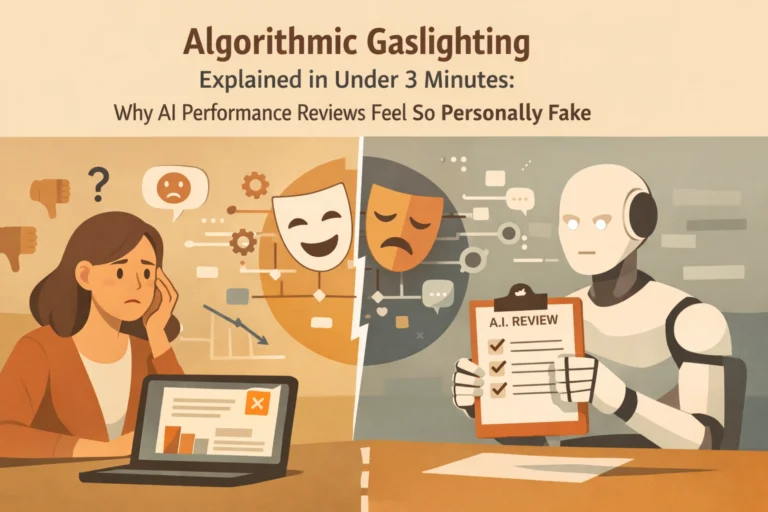
Brilliant professionals who conceal their invisible disabilities often struggle in silence, leading to decreased productivity, lower morale, and increased turnover. Without proper accommodations and support, they experience what researchers call "poor well-being, psychological and physical distress, and decreased job satisfaction."
The concealment also represents a massive waste of human potential. When talented individuals spend energy hiding aspects of their identity rather than contributing their full capabilities, organizations lose access to diverse perspectives, creative problem-solving approaches, and the innovation that comes from neurodivergent thinking.

Breaking the Disclosure Dilemma
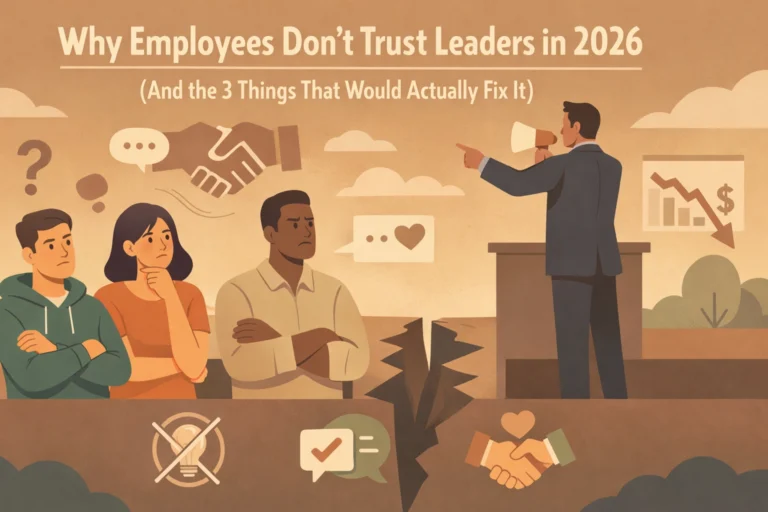
The path forward requires acknowledging that current workplace cultures create conditions where brilliant professionals must choose between authenticity and advancement. Organizations must move beyond compliance-based approaches toward creating genuinely inclusive environments where invisible disability disclosure becomes neutral rather than risky.
Leadership accountability starts with executives openly discussing disability inclusion, sharing personal stories when appropriate, and making accommodation processes transparent and efficient. When leaders model inclusive behavior, it creates psychological safety for employees to be authentic.
Peer education addresses the root cause of workplace stigma by helping employees understand invisible disabilities through training that goes beyond legal requirements. Colleagues need to learn how conditions like ADHD, chronic pain, or anxiety actually enhance rather than diminish professional capabilities.
Process improvement means streamlining accommodation requests, training managers to respond supportively, and creating multiple pathways for employees to access support without formal disclosure requirements.
The Access Gap Solution
Deloitte's research identifies the cumulative effect of these challenges as an "access gap": where high disclosure rates coexist with concerns about negative perceptions, declined accommodations, and experiences of non-inclusive behaviors. Closing this gap requires systematic change rather than individual courage.
Organizations must recognize that the 88% disclosure figure represents survival, not success. When brilliant professionals feel compelled to selectively share information while hiding their authentic experiences from daily collaborators, workplaces are failing to harness the full potential of human diversity.
The disclosure dilemma will persist until sharing invisible disability information becomes as professionally neutral as discussing any other aspect of individual work style or personal background. Until then, talented professionals will continue making calculated choices between authenticity and advancement, impoverishing both individual careers and organizational innovation.
True workplace inclusion means brilliant professionals can disclose invisible disabilities without fear, receive accommodations without barriers, and contribute their authentic selves without concealment. The 88% who have already taken the first step toward disclosure deserve workplaces that make the journey toward full inclusion both safe and rewarding.