The world has shifted. Two tech giants have quietly revolutionized what workplace inclusion actually looks like: while most companies are still figuring out basic accommodations. Microsoft and IBM aren't just talking about disability inclusion; they're rewriting the playbook entirely.
But here's the uncomfortable truth: for every Microsoft and IBM setting the gold standard, thousands of organizations are still treating disability accommodations like an afterthought. The gap isn't just wide: it's a canyon.
The Microsoft Method: Beyond Compliance
Microsoft's approach to disability inclusion goes far beyond checking legal boxes. Their Disability Answer Desk provides free, personalized technical support specifically for users with disabilities. But what makes this revolutionary isn't the service itself: it's the recognition that accessibility support should be proactive, not reactive.

The company has embedded inclusive design principles into their core product development. Every Microsoft product now undergoes accessibility testing from day one, not as an add-on feature. Their Xbox Adaptive Controller exemplifies this philosophy: designed specifically for gamers with limited mobility, it demonstrates how innovation thrives when companies design for the margins first.
Microsoft's disability inclusion initiatives include:
• Hiring over 1,800 people with disabilities through their inclusive hiring program
• Creating sensory rooms and quiet spaces in their offices
• Implementing AI-powered accessibility features across their software suite
• Partnering with disability organizations for continuous feedback and improvement
The question isn't whether Microsoft's approach works: their disability employee retention rates speak for themselves. The question is: why aren't more companies following this model?
IBM's Invisible Disability Revolution
IBM has tackled the challenge that most companies won't even acknowledge: invisible disabilities support. Their research shows that 87% of workplace disabilities are invisible, yet most accommodation policies focus solely on visible needs.
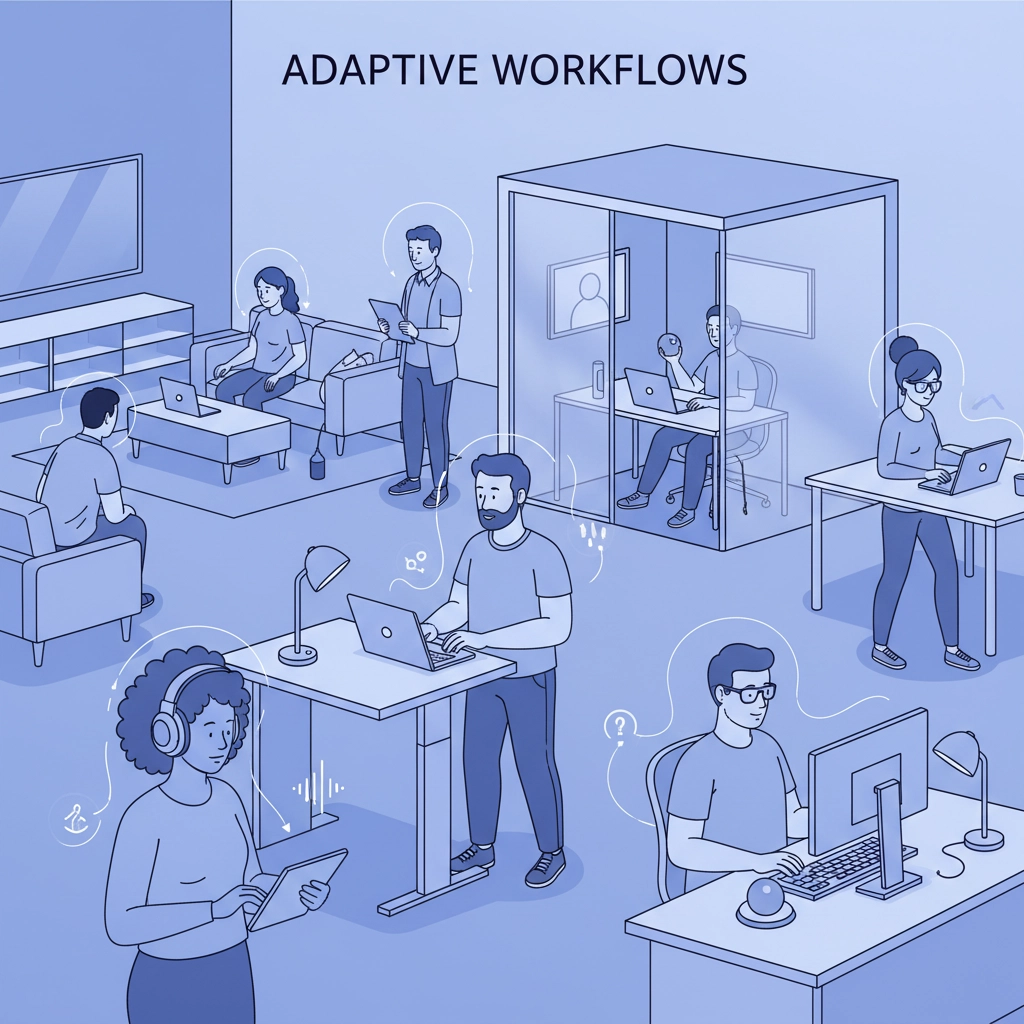
Through their SkillsBuild platform, IBM has created personalized learning paths that accommodate different cognitive processing styles, attention spans, and sensory needs. They've moved beyond traditional "reasonable accommodations" to create an entirely flexible work environment where accommodations aren't accommodations anymore: they're just good design.
IBM's standout practices include:
• Flexible work arrangements as standard policy, not special requests
• Multiple communication channels to accommodate different processing preferences
• Sensory-friendly office designs with adjustable lighting and noise control
• Mental health support integrated into their employee assistance programs
• Regular disability inclusion training that goes beyond awareness to action
IBM's approach recognizes a fundamental truth: when you design for people with disabilities, you create better experiences for everyone. Their flexible policies don't just help employees with ADHD or chronic fatigue: they improve productivity across all teams.
The Leadership Gap: Where Everyone Else Falls Short
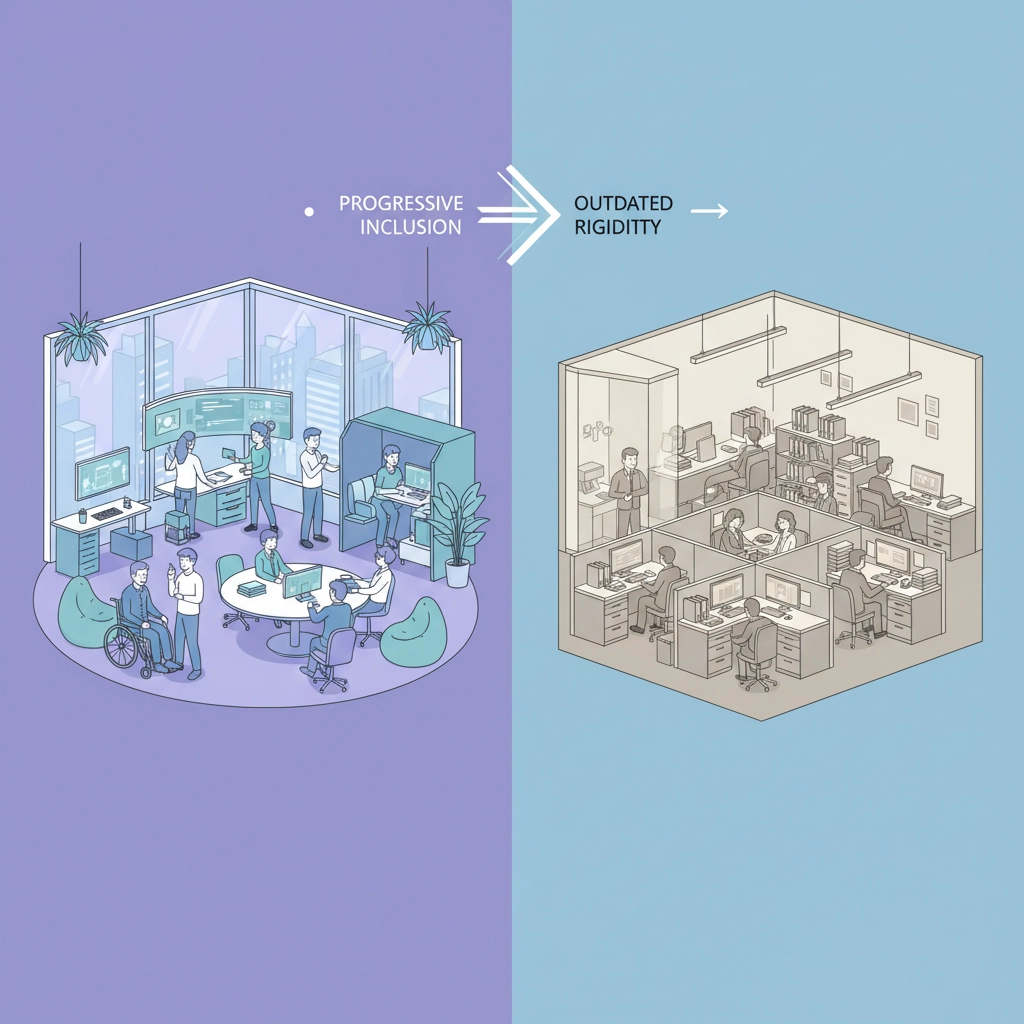
While Microsoft and IBM are redefining workplace inclusion, the majority of companies are still stuck in outdated approaches. Recent studies show that 76% of organizations still view disability accommodations as costly burdens rather than innovation opportunities.
The typical company response to disability inclusion follows a predictable pattern:
- Wait for accommodation requests
- Evaluate cost and feasibility
- Implement minimal changes to meet legal requirements
- Pat themselves on the back for being "compliant"
This reactive approach fails everyone: especially the 88% of people with invisible disabilities who never disclose their conditions at work because they don't trust their employers to respond appropriately.
The Innovation Advantage: Why Leaders Win
Microsoft and IBM aren't leading in disability inclusion out of pure altruism: they've discovered that inclusive practices drive innovation and competitive advantage. Companies with comprehensive disability inclusion programs report:
• 28% higher revenue than their less-inclusive competitors
• 30% better employee retention across all demographics
• 67% more patent applications from diverse teams
• 42% lower absenteeism rates company-wide
The correlation isn't coincidental. When companies design systems that work for people with diverse cognitive styles, processing speeds, and sensory needs, they create more flexible, efficient processes for everyone.
The Action Gap: What Other Companies Must Do
The path forward isn't mysterious: Microsoft and IBM have provided the blueprint. But implementation requires more than policy changes; it demands a fundamental shift in how organizations think about human potential.
Immediate actions every company can implement:
• Audit your current policies through an invisible disability lens: do they assume neurotypical, able-bodied employees?
• Create multiple communication pathways for different processing preferences and comfort levels
• Implement flexible work arrangements as standard policy, not special accommodations
• Train managers specifically on invisible disability support and accommodation conversations
• Partner with disability organizations for ongoing feedback and improvement
• Measure inclusion outcomes, not just compliance metrics

Beyond Accommodation: Building Inclusive Systems
The companies that will thrive in the coming decade won't be the ones that grudgingly accommodate disabilities: they'll be the ones that recognize disability as a source of innovation and competitive advantage.
Microsoft and IBM have moved beyond the accommodation model entirely. Instead of retrofitting their systems for disability inclusion, they've built inclusion into their foundational structures. Their success proves that when companies stop viewing disability as a problem to solve and start seeing it as a perspective to leverage, everyone wins.
The Ripple Effect
When industry leaders like Microsoft and IBM set new standards for disability inclusion, they create ripple effects throughout their supply chains, partnerships, and industries. Vendors working with these companies often upgrade their own accessibility practices to maintain partnerships.
But these ripple effects only reach so far. The majority of companies are still operating with outdated assumptions about disability and accommodation. They're missing opportunities to tap into the 26% of adults with disabilities who represent over $13 trillion in annual disposable income globally.
The Choice Ahead
Every organization faces the same choice that Microsoft and IBM faced years ago: continue treating disability inclusion as a compliance issue, or recognize it as an innovation opportunity that benefits everyone.
The data is clear. The business case is proven. The moral imperative is obvious. Microsoft and IBM are leading the way: the question isn't whether their approach works, but whether other companies have the vision to follow.
The disability community isn't waiting for permission to contribute. They're looking for organizations brave enough to recognize their potential and smart enough to build systems that work for everyone from the start.
The world has shifted. The question is: will your organization shift with it, or will you be left wondering why your competitors are attracting the best talent while you're still struggling with basic accommodations?
For more insights on invisible disability support in the workplace, explore our comprehensive resources at Dr. Disruptor's invisible disabilities hub.