The world has shifted, and yet most HR departments are still operating like it's 2019. While one in four Americans lives with a disability, and millions more navigate invisible conditions like ADHD, chronic fatigue, or mental health challenges, workplace accommodations remain shrouded in mystery, fear, and astronomical cost projections that simply aren't true.
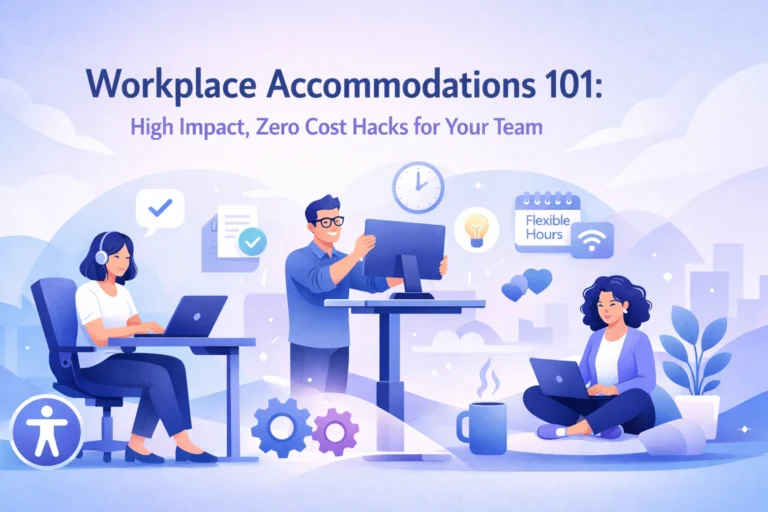
Here's what your HR team probably doesn't know: nearly half of all workplace accommodations cost absolutely nothing. For those that do require an investment, the median cost is just $300. Not $3,000. Not $30,000. Three hundred dollars.
The U.S. Department of Labor just dropped a game-changer that's flying under most employers' radars: and it's time we changed that.
The $300 Reality: Busting the Accommodation Myth
Workplace accommodations have been painted as budget-busting, complex nightmares that require legal teams, structural renovations, and months of bureaucratic wrangling. This narrative isn't just wrong: it's actively harmful to millions of capable employees who need simple adjustments to do their best work.
The Department of Labor's recent partnership with the Job Accommodation Network analyzed real accommodation data from 2019 to 2024, and the results should make every HR director rethink their assumptions:
• 48% of accommodations cost nothing to implement
• Median one-time cost for paid accommodations: $300
• Over 700 proven solutions now available through their free database
Why does this matter? Because right now, only 3.2% of employees feel safe requesting workplace accommodations, even though 30% of the workforce has some form of disability. That's not a pipeline problem: that's a culture problem.
Meet Your New Secret Weapon: The Situations and Solutions Finder
On September 30, 2024, the DOL quietly launched what might be the most practical disability inclusion tool ever created: the Situations and Solutions Finder. This free database contains over 700 real-world accommodation examples, filterable by disability, limitation, and occupation.
But here's where it gets interesting: this isn't theoretical academic research. These are workplace accommodations that actual employers implemented for real employees across industries. Private sector, public sector, startups, Fortune 500 companies. The solutions that actually work.
The tool allows you to search by specific scenarios:
• An accountant with ADHD who struggles with sustained attention
• A teacher with chronic pain who needs ergonomic adjustments
• A software developer with autism who requires sensory modifications
• A manager with depression who benefits from flexible scheduling
Each example includes the specific solution, implementation details, and yes: the actual cost.
The $300 Solutions Your Team is Missing
Let's get concrete. What does a $300 workplace accommodation actually look like in practice?
For Executive Function Challenges (ADHD, Brain Injury, Autism):
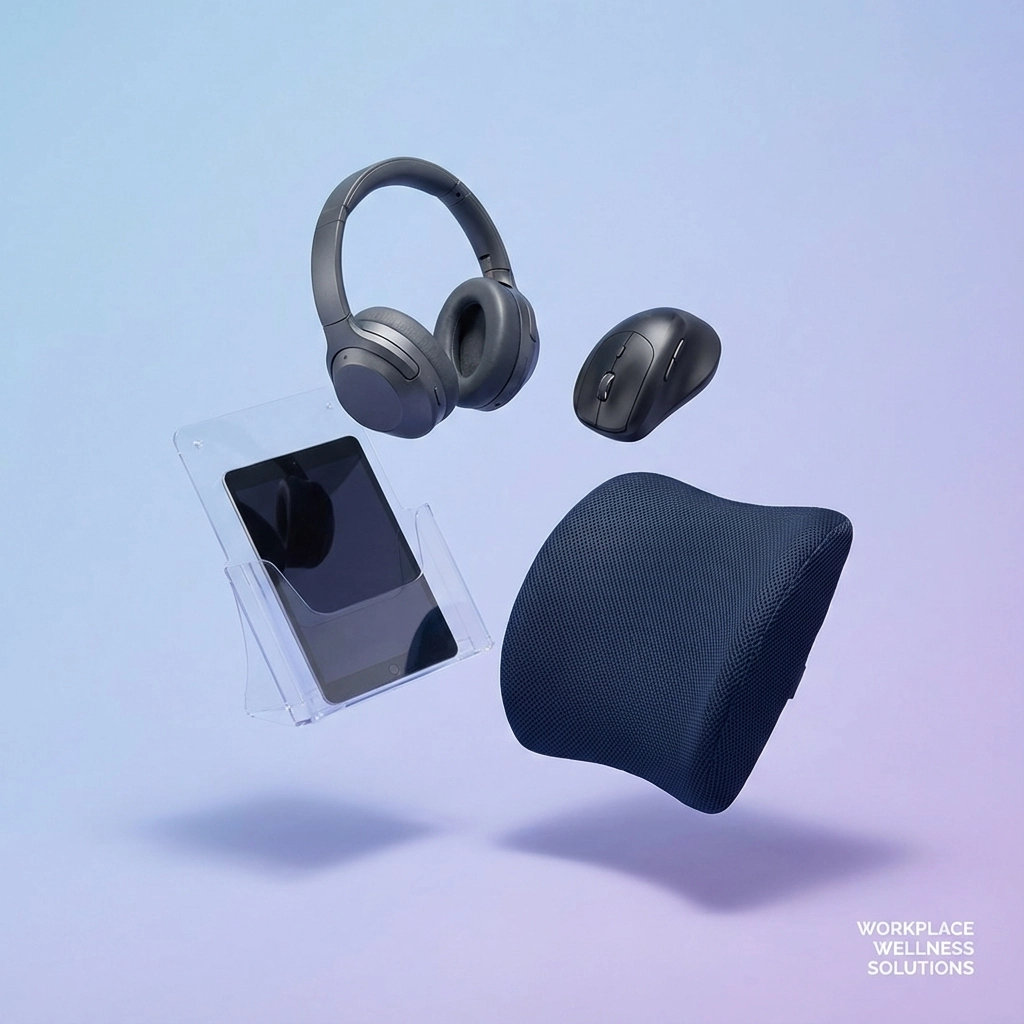
• Noise-canceling headphones ($150-250)
• Desktop organizers and visual scheduling tools ($50-100)
• Time management software subscriptions ($120/year)
• Adjustable lighting solutions ($75-200)
For Physical Limitations:
• Ergonomic mouse and keyboard setups ($100-200)
• Document holders and monitor arms ($80-150)
• Footrests and lumbar support cushions ($40-120)
• Voice-to-text software ($150-300)
For Mental Health Support:
• Flexible work arrangements (often $0)
• Quiet workspace modifications ($50-200)
• Break scheduling tools and apps ($0-60)
• Stress management resources ($0-100)
The pattern becomes clear: these aren't architectural overhauls or specialized equipment requiring engineering degrees. They're thoughtful, targeted solutions that often cost less than a company's monthly coffee budget.

Why HR Teams Keep Missing the Mark
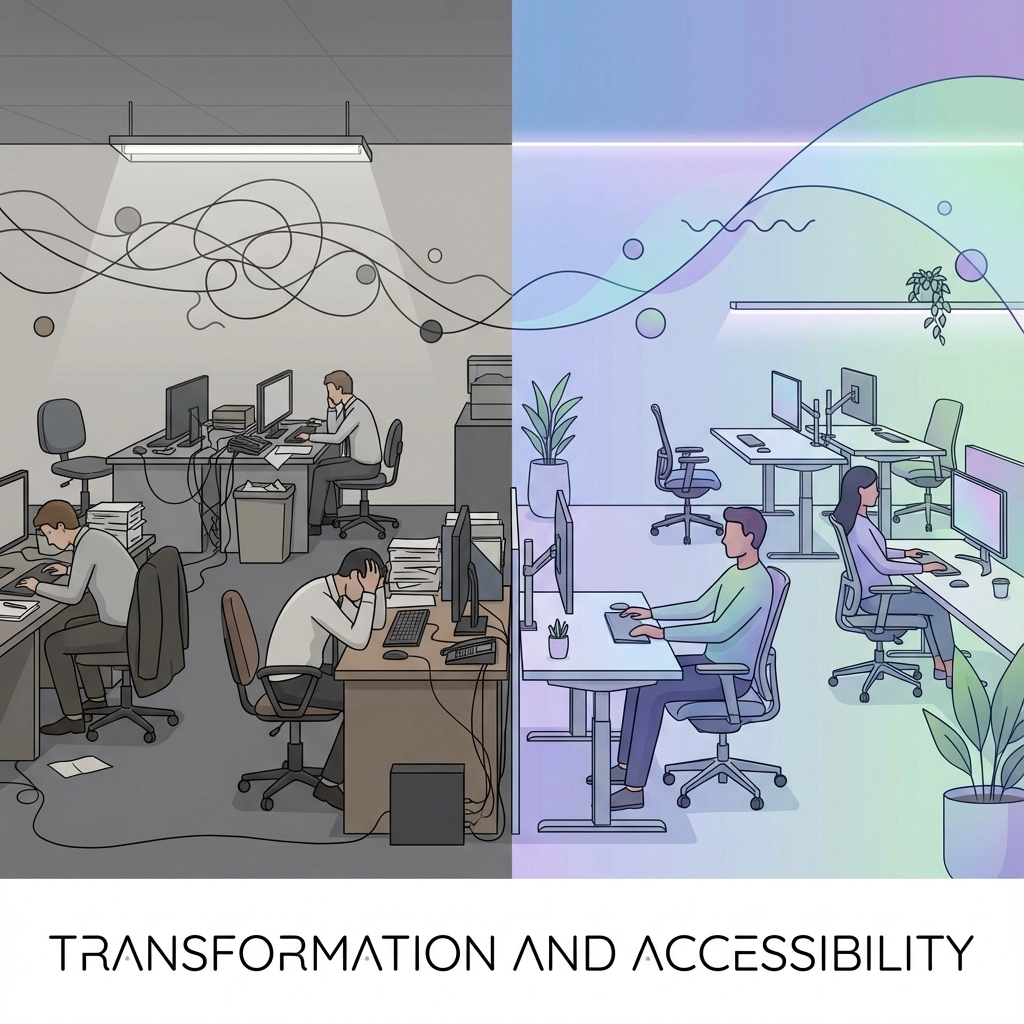
The disconnect isn't malicious: it's systemic. Most HR professionals learned about workplace accommodations through legal compliance training that emphasized risk management over practical problem-solving. The focus became "how do we avoid lawsuits?" instead of "how do we help our people succeed?"
This creates a defensive posture that actually increases costs and complexity:
The Traditional Approach:
- Employee requests accommodation (if they're brave enough)
- HR involves legal team
- Formal assessment process begins
- Focus shifts to liability protection
- Solution becomes overly complex and expensive
- Implementation takes months
The Smart Approach:
- Proactive conversation about what employees need
- Quick search of proven solutions database
- Pilot simple, low-cost adjustments
- Measure impact and refine
- Scale successful solutions to similar situations
The difference? Speed, cost, and employee trust.
Making It Work: A Practical Implementation Guide
Ready to revolutionize how your organization approaches workplace accommodations? Here's your step-by-step playbook:
Phase 1: Education and Awareness
• Train managers on the Situations and Solutions Finder tool
• Share accommodation success stories from your industry
• Normalize conversations about workplace needs
• Establish clear, informal request channels
Phase 2: Proactive Problem-Solving
• Identify common workplace challenges across your team
• Research proven solutions using the DOL database
• Start with zero-cost accommodations to build confidence
• Document what works for future reference
Phase 3: Culture Integration
• Include accommodation discussions in regular check-ins
• Celebrate successful implementations
• Track metrics: employee satisfaction, retention, productivity
• Iterate and improve based on feedback
The goal isn't perfect accommodation from day one: it's creating a culture where workplace accommodations become a normal part of supporting all employees to do their best work.
Beyond Compliance: The Business Case That Matters
Let's be real about why this matters beyond doing the right thing. Workplace accommodations deliver measurable business value:
Retention Impact: Accommodated employees stay with companies 50% longer than non-accommodated employees with similar roles and experience levels.
Productivity Gains: When employees get the support they need, productivity increases across teams: not just for the accommodated individual.
Innovation Boost: Companies with strong accommodation practices report higher innovation rates, likely because they've created cultures that value different approaches to problem-solving.
Cost Avoidance: Proactive workplace accommodations prevent the much higher costs of replacement hiring, training, and lost institutional knowledge.
The question isn't whether you can afford to implement these solutions: it's whether you can afford not to.
The Ripple Effect: When Accommodations Help Everyone
Here's what makes great workplace accommodations special: they rarely benefit just one person. That noise-reducing workspace modification for your employee with sensory processing differences? It helps the entire team focus better. The flexible scheduling option for someone managing chronic illness? It gives everyone better work-life integration options.
The most successful accommodation stories aren't about special treatment: they're about smart workplace design that recognizes human diversity as a feature, not a bug.
Your Next Steps Start Now
The Situations and Solutions Finder is free, comprehensive, and available right now. No procurement process, no budget approvals, no lengthy vendor evaluations. Just practical solutions from real workplaces that you can implement starting tomorrow.
Visit the tool, search for scenarios that match your workplace, and start small. Try one $50 solution this week. See what happens. Document the impact. Share the success.
Because here's the truth about workplace accommodations: they're not about fixing what's broken. They're about optimizing what's already working to help everyone perform at their peak.
The only question left is whether your organization will lead this shift or wait for competitors to figure it out first.

Your employees with disabilities aren't asking for charity: they're asking for the chance to contribute their best work. For less than the cost of a team lunch, you can make that happen.
The tools are here. The data is clear. The opportunity is now.
What are you waiting for?