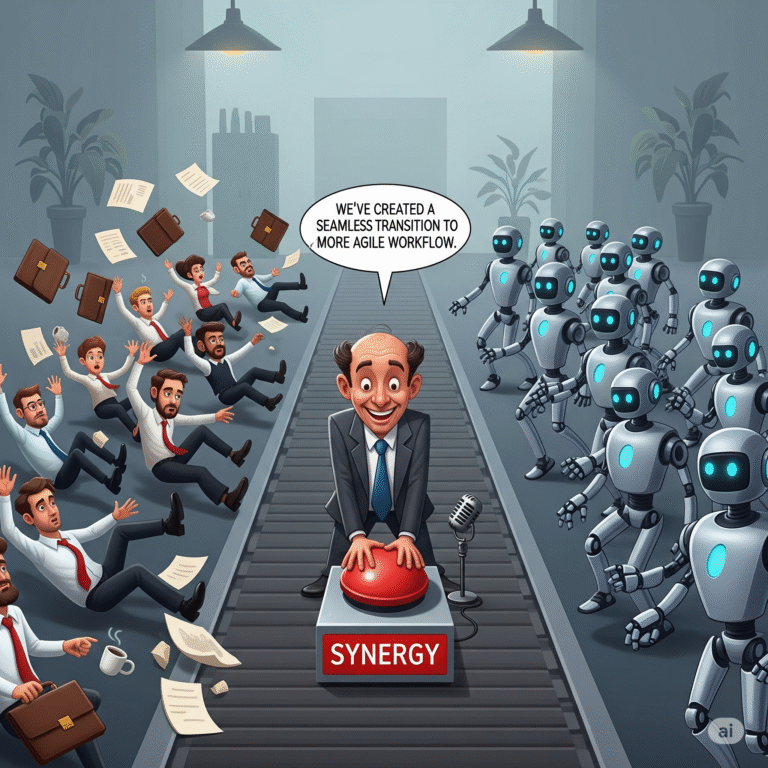
The world has shifted. For decades, the professional landscape was built on a rigid, one-size-fits-all model that ignored the reality of human diversity. We were expected to show up, grind through the standard 9-to-5, and leave our personal struggles at the door. But the mask is slipping. More than ever, we are realizing that "standard" doesn't mean "productive," and "invisible" doesn't mean "non-existent."
Whether you are navigating neurodivergence, managing a chronic illness, or balancing mental health challenges, you’ve likely felt the weight of trying to fit into a mold that wasn't designed for you. You might fear that asking for help makes you look "difficult" or "less than." But here is the truth: asking for what you need isn't a sign of weakness; it’s a strategic move to ensure you can perform at your absolute best. Mastering the accommodation conversation is the key to unlocking your true professional potential.
The Great Cost Myth: Why Your Boss Shouldn't Sweat It
When people hear the word "accommodation," they often imagine expensive renovations, high-tech gadgets, or massive structural changes. This misconception is a double-edged sword; it keeps employees from asking and makes employers hesitant to offer.
But let’s look at the data. According to the Job Accommodation Network, a staggering 58% of workplace accommodations cost exactly $0 to implement. That’s right: nothing. Most of the time, the fix is as simple as a flexible schedule, a quieter desk location, or a change in how instructions are delivered. For the accommodations that do have a price tag, the average cost is around $500.
In the grand scheme of corporate budgets, $500 is a drop in the bucket compared to the cost of turnover, retraining, and lost productivity. Companies often pat themselves on the back for their "inclusive culture" while missing these low-cost lifelines that keep their best talent engaged. Why do we let a few hundred dollars or a simple policy tweak stand in the way of someone’s success? The accommodation conversation is actually a massive ROI for any smart business.

Navigating the "Invisible" Landscape
The most significant barrier to workplace success today isn't a flight of stairs; it’s the invisible hurdles faced by those with mental health conditions, neurodivergence, or chronic pain. Unlike a broken leg, you can’t see ADHD, lupus, or generalized anxiety disorder. This leads many employees to suffer in silence, fearing that if they can’t "see" the problem, their boss won't believe it exists.
Consider a graphic designer who consistently struggles with morning deadlines. To an outsider, it looks like procrastination. In reality, they are managing chronic fatigue that peaks in the early hours. A simple shift in their core working hours doesn't just "help" them: it allows them to produce their best work when their brain is actually firing on all cylinders.
This is where the accommodation conversation becomes vital. It bridges the gap between your internal reality and your external performance. It’s about moving away from "working harder" and moving toward "working smarter."
How to Start the Conversation (Without the Panic Attack)
The idea of sitting down with HR or your manager to talk about your disability can feel like walking into a lion’s den. But it doesn't have to be a legal battle. In fact, you don't even need to use "legal jargon" or quote the ADA to get the ball rolling.
1. Keep it simple and direct
You don’t need a ten-page manifesto. You simply need to state that you are experiencing a barrier related to a medical condition and suggest a solution. For example: "I’ve been finding it hard to focus in our open-office layout due to my ADHD. I think using noise-canceling headphones or moving to a corner desk would help me stay on track."
2. Focus on the "Work" in Workplace
Frame your request around your performance. Employers care about results. When you show them that an accommodation is a tool to help you meet their goals, the conversation shifts from "charity" to "strategy." You are essentially saying, "I want to be great at my job, and here is the small adjustment that will make that happen."
3. It’s a Dialogue, Not a Demand
Approach this as a collaborative process. Your employer might have alternative ideas that work just as well. Stay open. The goal is the outcome: getting what you need to thrive: not necessarily the specific brand of chair or software you first had in mind.

The Power of Documentation
While a casual chat is a great start, you should always follow up in writing. An email that says, "Thanks for chatting today about my request for a standing desk to help with my back pain; I'm looking forward to the next steps," creates a paper trail. This isn't about being "difficult": it’s about clarity and accountability.
Sometimes, your employer might ask for medical documentation. Don’t take this personally. They are often just following a protocol to ensure they are being fair. A simple note from your doctor explaining your functional limitations (not necessarily your full diagnosis) is usually all that’s needed to move the accommodation conversation forward.
Tools of the Trade: Toolsurf and Beyond
Sometimes, the "what" of an accommodation is harder to figure out than the "how." You know you're struggling, but you aren't sure what tool will fix it. This is where we come in. At Dr. Disruptor, we are obsessed with finding the gadgets and systems that actually work for our community.
Whether it’s a specialized calendar system for those with executive dysfunction: like the ones we explored in our Cozyla Calendar unboxing: or ergonomic setups that actually look good, the right tool can be a game-changer.
We’ve partnered with the Toolsurf referral program to highlight the best workplace tools on the market. From AI note-takers that save your brain from meeting fatigue to physical tools that make your desk a sanctuary, you can find our top recommendations through our referral links here. Finding the right tool is the first step in showing your employer exactly what you need.

Breaking the Silence
We often see companies "talk the talk" regarding disability advocacy, yet the Invisible Employee Crisis persists. The question is, how can we change the culture if we are too afraid to speak up?
By engaging in the accommodation conversation, you aren't just helping yourself. You are trailblazing for the person who will be hired after you. You are showing your leadership team that diverse needs are normal and that meeting those needs is a hallmark of a high-performing organization. You are disrupting the status quo one request at a time.
Why You Don't Have to Do This Alone
Even with a plan, the "fear factor" is real. If you’ve been marginalized or misunderstood in the past, the idea of "trusting the process" feels like a trap. That’s why we offer Personal Empowerment Coaching.
We don't just tell you what your rights are; we help you find the confidence to claim them. We work with you to script your requests, identify the best tools for your specific needs, and navigate the emotional hurdles of being a "disruptor" in the workplace. You have an incredible amount of invisible strength: sometimes you just need a coach to help you channel it.

A Vision for the Future Workplace
Imagine a world where your first day of work includes a menu of options: Do you work best in silence? Do you need written instructions? Does your chronic illness require a flexible start time?
We aren't there yet, but we are moving closer every time someone refuses to settle for a workplace that ignores their needs. The accommodation conversation is the most powerful tool in your kit. It is the bridge between surviving your workday and thriving in your career.
You deserve a seat at the table, and you deserve a chair that doesn't cause you pain while you're sitting there. You deserve a workflow that respects your brain's unique wiring. Don’t wait for the "perfect time" to ask: the perfect time was yesterday. The second-best time is right now.
Ready to take the next step in your professional journey? Check out our latest resources on our blog or reach out for a coaching session. Let’s disrupt the workplace together and build a career that actually works for you.