You know that feeling when your CEO sends an all-hands email about "transparency" and "trust" right after you've watched three executives give three completely different answers about the same strategic initiative?
Yeah. That's where we are in 2026.
And it's not getting better, it's getting worse.
The Numbers Don't Lie (Even When Leadership Does)
Let's cut the corporate speak and look at what's actually happening: only 23% of US employees strongly trust their organizational leaders right now. That's not a typo. Less than a quarter of your workforce believes what comes out of the C-suite's mouth.
Even more telling? 57% of employees say distrust makes them consider leaving. That's not "quiet quitting" territory, that's a full-blown exodus waiting to happen.
But here's what really gets me: companies keep acting surprised by these numbers. Like they didn't see this coming. Like the trust didn't evaporate slowly over years of empty promises, contradictory messaging, and leadership teams who couldn't align on what day of the week it is, let alone company strategy.
We talk about this phenomenon extensively on our podcast, it's part of what we call The ColdPlayed Effect. You know, that moment when you realize you've been played by corporate leadership again, and the cold reality hits you that nothing they said was actually true.
Why Trust Is Dead (And Who Killed It)
1. Leadership Can't Get Their Story Straight
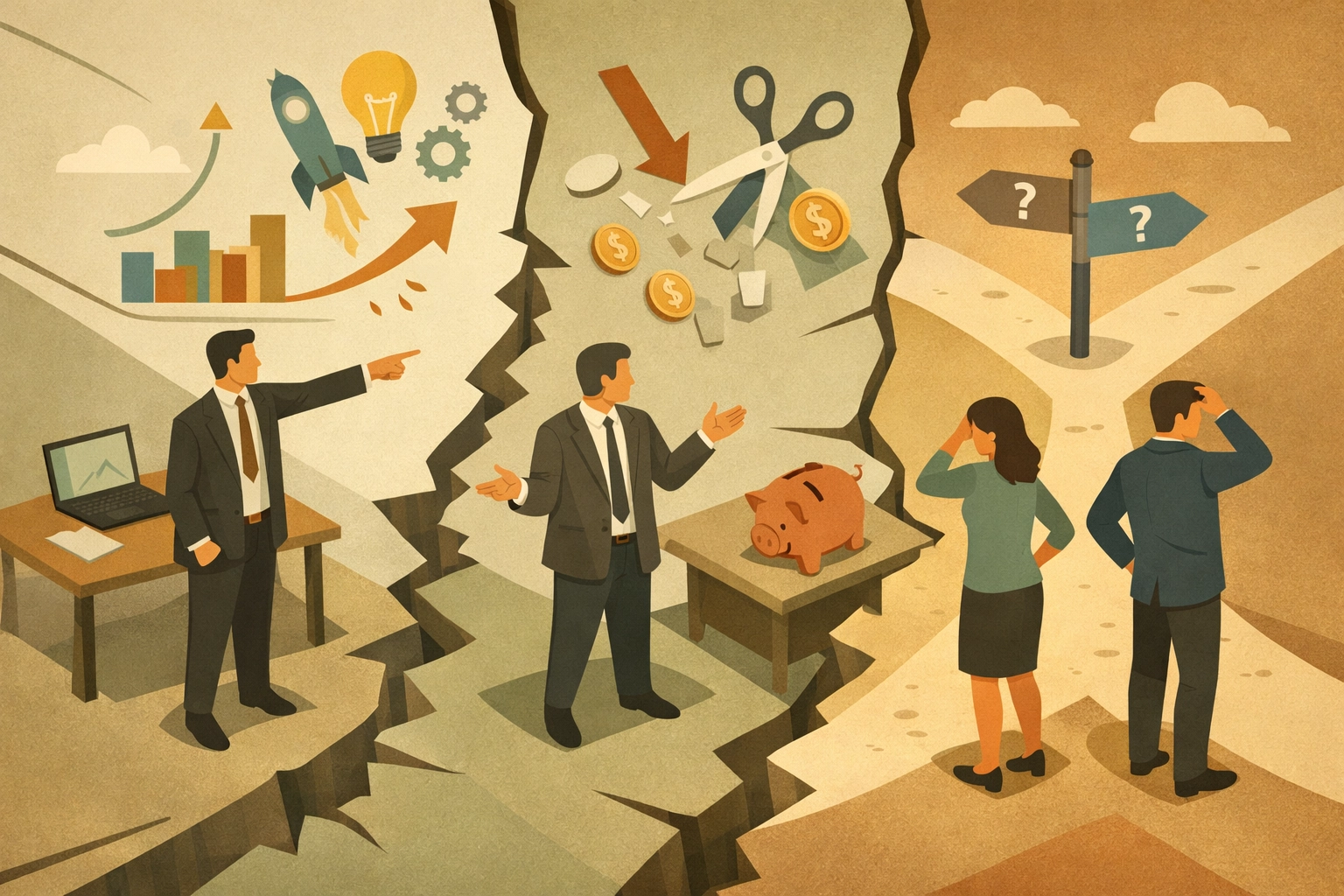
In 72% of organizations where employees report high misalignment concerns, leadership team members publicly contradict each other. Not behind closed doors. Not in private meetings. Publicly.
One VP says we're focusing on innovation. Another says we're cutting costs. The CEO says both are priorities. And you, sitting in the middle of this circus, are supposed to figure out what the hell you're actually supposed to be doing.
This isn't employees being paranoid or "resistant to change" (God, I hate that phrase). They're literally witnessing the disconnect in real-time. In all-hands meetings. In Slack channels. In competing email directives that land in their inbox on the same day.
2. Accountability Is a Four-Letter Word
Here's a fun game: try to find who's actually accountable for anything in your organization. Go ahead, I'll wait.
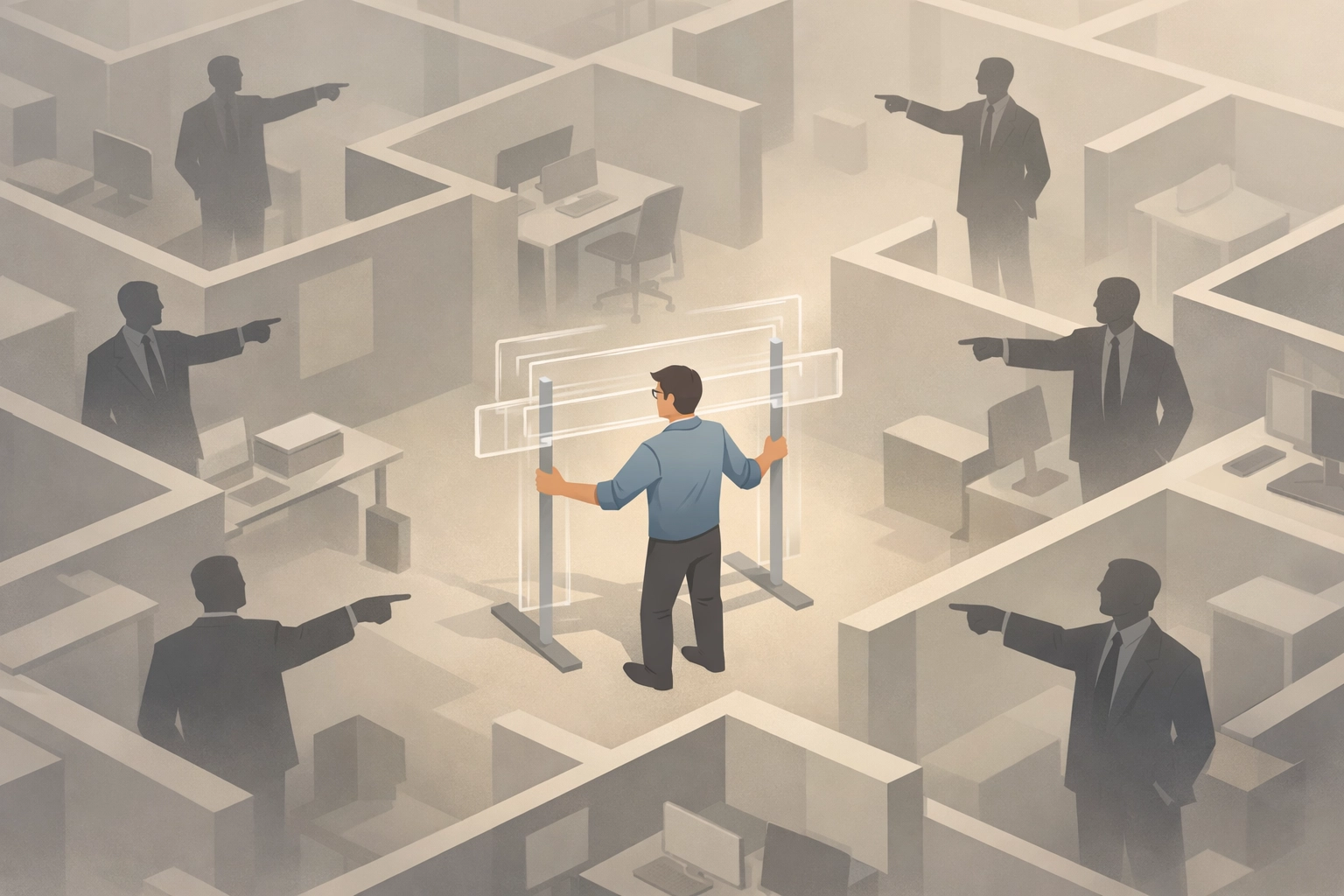
Feedback is vague. Priorities shift daily. Nobody seems to own decisions, but somehow everyone's responsible when things go sideways. People aren't burning out because they're working too hard, they're burning out because they're working in a fog of unclear accountability where the goalposts move every time they get close to scoring.
And get this, some organizations explicitly distrust their frontline managers. They withhold survey results, hide data, and then wonder why those same managers never develop the skills to interpret information or create action plans. It's like tying someone's hands behind their back and then criticizing them for not clapping.
Self-fulfilling prophecy, anyone?
3. Does Leadership Actually Give a Damn?
Here's the question keeping employees up at night: Do the people at the top actually care about us?
According to recent surveys, fewer workers believe that top management cares about their well-being. And honestly? Can you blame them?
When "are we going to have jobs in 90 days?" becomes a more pressing question than "how can I grow my career here?", you've got a fundamental trust problem. Security concerns aren't just crowding out motivational factors; they're destroying any foundation for trust to exist.
Reader quote from our community: "My CEO talks about 'people first' while simultaneously planning layoffs he swears aren't happening. We all know they're coming. The disrespect isn't the layoffs, it's the lying."
What Would Actually Fix It (Not Another Trust Survey)
Let me be clear: I'm not talking about another employee engagement survey that goes into a black hole. I'm not talking about a pizza party or a wellness app. I'm talking about fundamental, structural changes that most leadership teams are too comfortable, or too scared, to make.
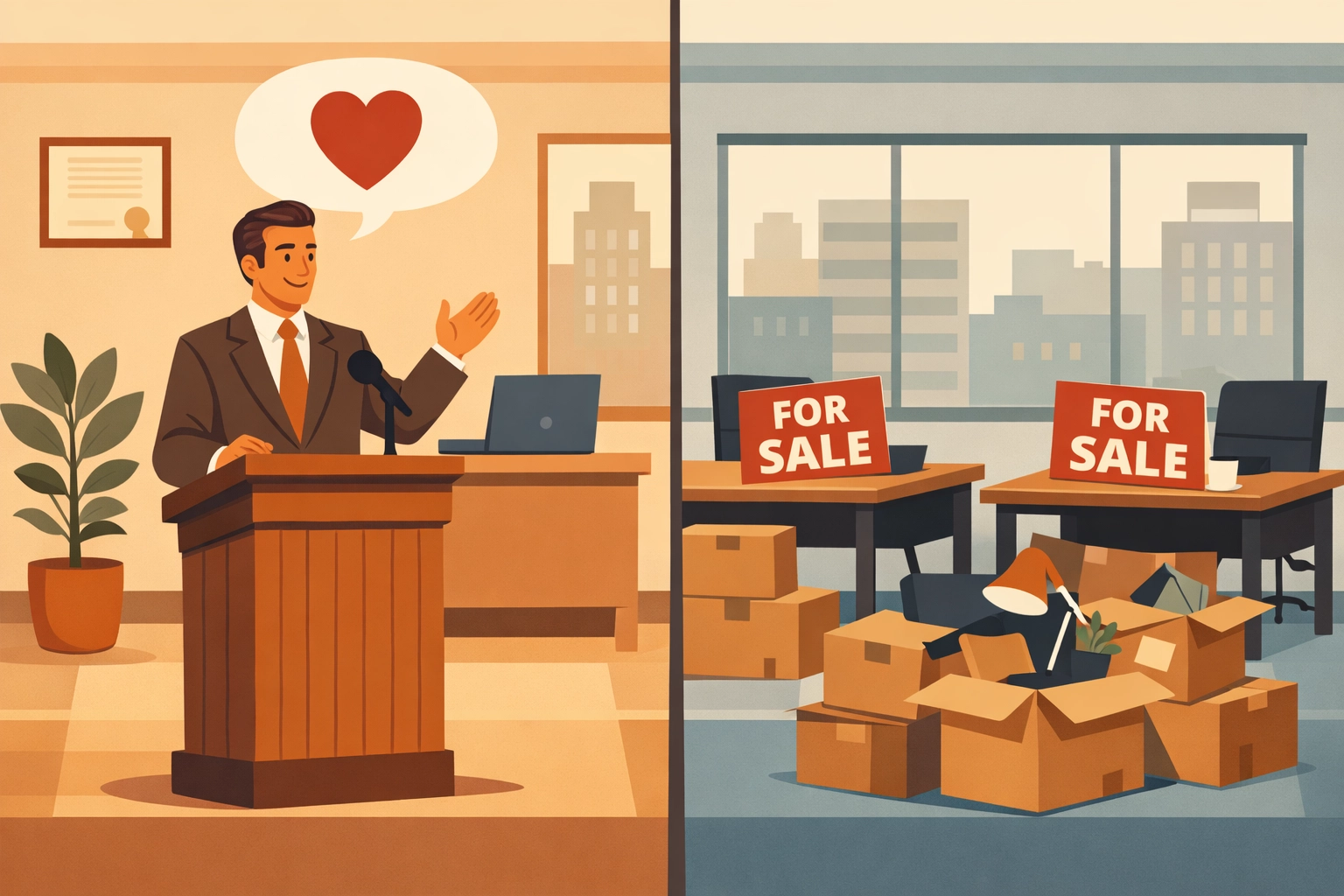
Fix #1: Build Trust Into Your Daily Operations (Not Your Annual Review)
Stop measuring trust once a year and start building it every single day.
Organizations that actually broke the trust cycle didn't just survey the problem to death, they built behavioral change mechanisms into daily work. We're talking about systems that track:
- How fast managers respond to concerns
- The quality and specificity of feedback
- Recognition frequency (and whether it's genuine or performative)
- Psychological safety indicators in real-time
When companies did this right, they saw 97% voluntary employee adoption. Not forced compliance. Voluntary. They also saw +48 point improvements in employee Net Promoter Score within six months and a 40% reduction in unwanted turnover.
That's not incremental improvement, that's transformation.
Fix #2: Give Leadership One Version of the Truth
You want to know why your executives can't align? Because they're all looking at different data.
The VP of Sales has their dashboard. HR has theirs. Operations has another. And surprise, surprise, they all tell slightly different stories that each executive interprets through their own lens.
Organizations that solved this gave executives a unified dashboard showing the same real-time people data. Same metrics. Same definitions. Same truth.
When leadership teams operate from identical information, employees stop witnessing the contradictory interpretations that make them feel like they're living in a corporate version of "Whose Line Is It Anyway?", where everything's made up and the points don't matter.
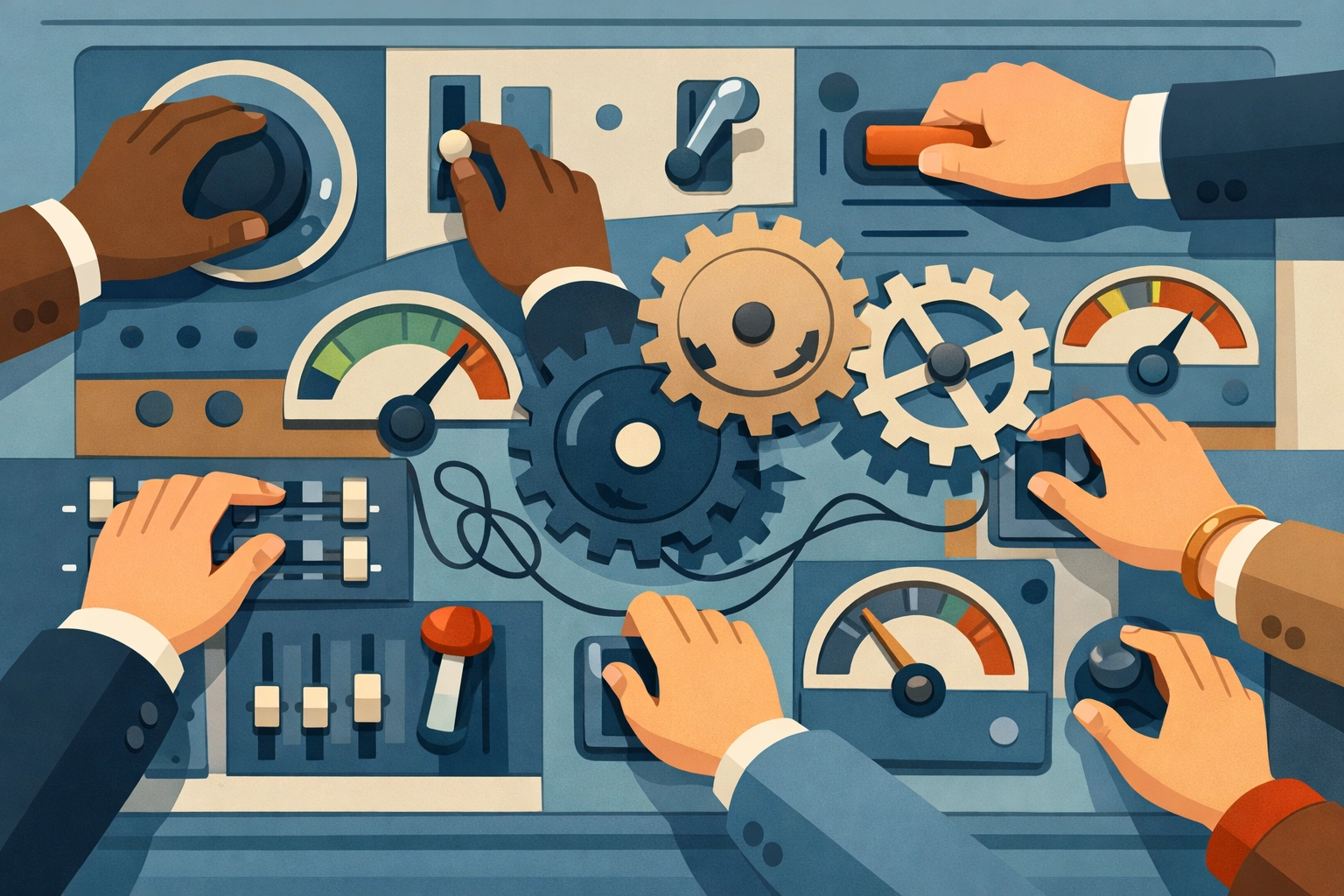
Fix #3: Be Transparent and Actually Act on Feedback
Revolutionary concept incoming: when employees give you feedback, do something visible with it.
This doesn't mean you implement every suggestion. It means you:
- Communicate survey findings transparently to employees (yes, even the bad stuff)
- Outline specific steps you're taking to address gaps (not vague promises)
- Make yourself available for conversation (not just town halls where you control the narrative)
- Follow up on what you said you'd do (radical, I know)
High-performing organizations that cultivated trust didn't just talk about transparency, they embedded "trust, transparency, and responsibility by design" into their operating model.
Here's what that actually looks like: if you say you're going to address the promotion process by Q2, you better have visible progress by Q2. If you commit to improving manager training, employees should see their managers improving. If you promise better communication, your communication should demonstrably get better.
Words without action aren't just ineffective, they're trust poison.
The ROI of Not Being Full of It
Let's talk numbers, because apparently that's the only language some executives speak.
Organizations implementing these approaches achieved measurable ROI within six months. We're talking documented improvements in:
- Psychological safety
- Manager effectiveness
- Values alignment
- Retention rates
- Employee engagement
But here's what really matters: they created workplaces where people don't spend half their energy trying to decode what leadership actually means versus what they're saying. Where the emotional labor of navigating corporate double-speak doesn't drain everyone's capacity for actual work.
That's the real ROI, getting your people's energy back for the work instead of wasting it on trust crisis management.

So What Now?
Trust isn't something you can slap a band-aid on with a feel-good initiative or a DEI statement (though both have their place when done authentically). It's built through consistent, visible, honest action over time.
The question is: is your leadership team ready to actually do the work? Or are they more comfortable commissioning another survey about why nobody trusts them?
We want to hear from you: What's the biggest trust violation you've witnessed in your workplace? What would it actually take for you to trust your leaders again? Drop your stories in the comments or reach out to us: because this conversation is just getting started.
And if you're not already listening, check out our podcast where we dive even deeper into The ColdPlayed Effect and how to spot: and survive: corporate dysfunction in real-time.
Trust is dead in 2026. But it doesn't have to stay that way.