The world has shifted, yet for many of us, the internal landscape of our homes still feels like a battlefield. For adults living with executive dysfunction: whether due to ADHD, autism, or other neurodivergent traits: the simple act of "keeping house" can feel like climbing Everest in flip-flops. We are told to "just get organized," but those words are hollow when your brain doesn't naturally prioritize the pile of mail over the dirty dishes. The question is, how can we create visual accountability systems that actually work without making our homes look like a kindergarten classroom?
For too long, the tools offered to those of us needing structure have been patronizing. They are filled with primary colors, cartoon stickers, and "star charts" that feel more like a regression than a resolution. At Dr. Disruptor, we believe in empowerment through structure. You deserve a home that functions, and you deserve a system that respects your aesthetic and your intellect.
Here are 10 sophisticated, minimalist visual chore chart ideas designed specifically for the adult brain struggling with executive dysfunction.
1. The Minimalist Acrylic Wall Command Center
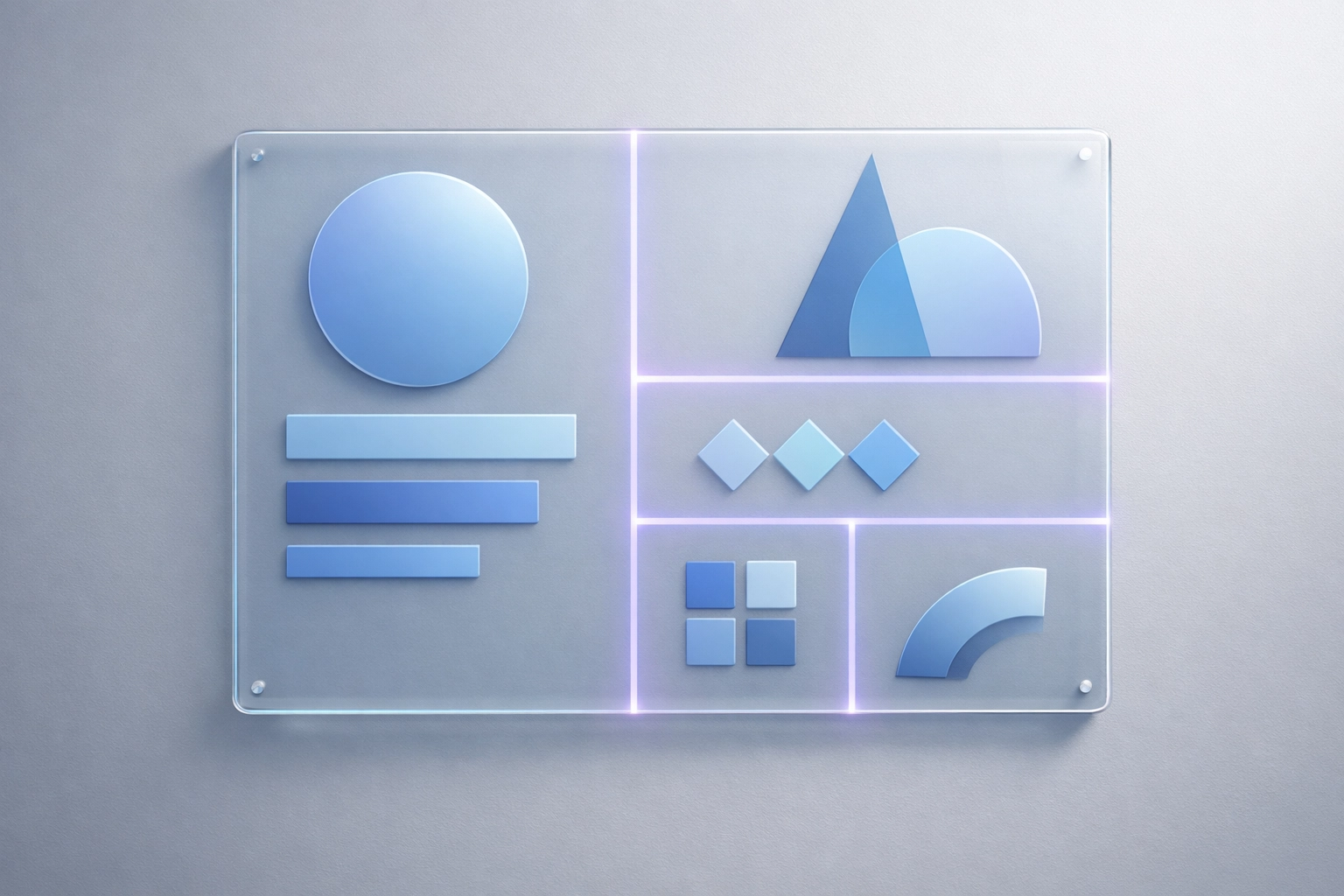
There is something incredibly grounding about transparency. An acrylic wall calendar or chore list offers a "floating" aesthetic that blends into your decor rather than shouting at you from the fridge. By using wet-erase markers in muted tones: think slate grey, eucalyptus green, or navy: you create a visual accountability system that looks like a piece of art.
The key here is the "braindump" section. Instead of just listing tasks, have a dedicated space for "Things I’m Ignoring." Highlighting the avoided tasks visually reduces their power over you. Why? Because bringing the "invisible" struggle into the light is the first step toward conquering it.
2. Digital Integration with Dedicated Displays
We live in a digital age, but a phone notification is often a "double-edged sword." You look at your phone to check a task, see a text, and forty minutes later you’re researching the history of the stapler. This is where dedicated digital hubs come in.
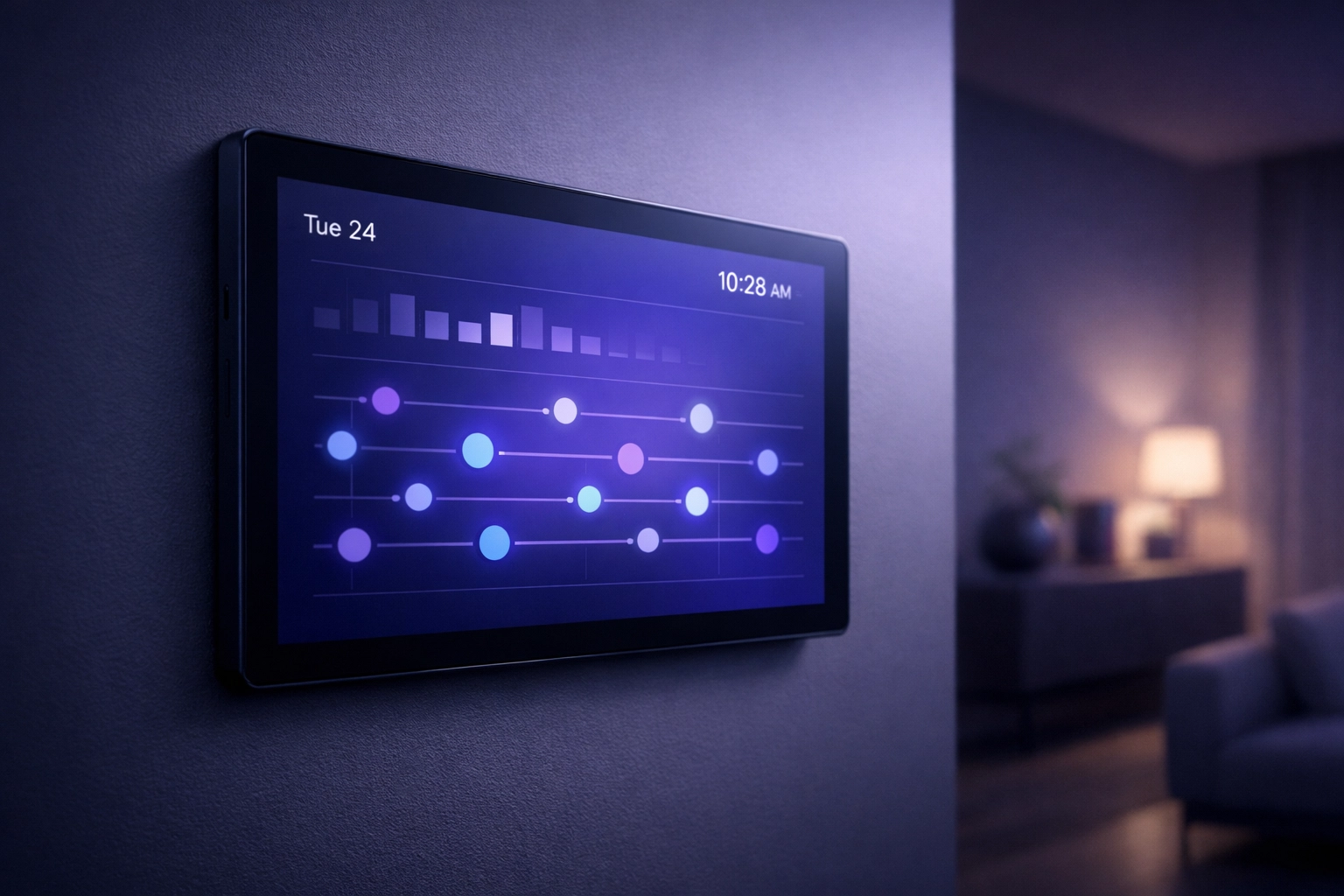
Using a high-quality digital frame or a specialized smart calendar allows you to see your Google Calendar or tasks at a glance without the distraction of a smartphone. We’ve actually explored this in-depth in our Cozyla Calendar 2 Unboxing, showing how a dedicated screen can act as a digital lighthouse in a foggy brain. It provides that constant, unblinking reminder of what needs to be done next.
3. The Industrial Magnetic T-Card System
Originally used in workshops and lean manufacturing, the T-card system is a neurodivergent person’s dream for executive dysfunction solutions. It consists of a wall rack where you slot in "cards." The top of the card shows the task, and the "body" of the card (hidden when slotted) can contain the step-by-step breakdown of the chore.
- The Swipe Factor: Moving a card from the "To Do" column to the "Done" column provides a tactile hit of dopamine that a digital checkmark sometimes misses.
- Minimalist Design: Stick to white cards with black sans-serif fonts for a clean, professional look that screams "efficiency expert" rather than "chore list."
4. Color-Coded Google Calendar "Energy Blocking"
Most people use Google Calendar for appointments. For those of us with executive dysfunction, we need to use it for energy. Instead of just scheduling "Clean Kitchen," try blocking out time based on the mental load.
Use a sophisticated color palette (Google’s "Lavender," "Sage," and "Grape" are great) to categorize tasks by energy level.
- Low Energy: Emptying the dishwasher.
- High Energy: Scrubbing bathrooms.
- Visual Anchor: Keeping this tab open on a secondary monitor or a dedicated wall tablet ensures you always know what your "current self" should be doing, relieving your "future self" of the stress.
5. The "In/Out" Slider Board
If you find that even writing things down feels like too much effort, the slider board is your lifeline. These are sleek, often metallic or high-quality plastic boards with physical sliders you toggle from red to green (or "X" to "Check").
These work exceptionally well for daily habits that never change: taking medication, feeding the dog, or checking the mail. By removing the need to write anything, you remove the friction of starting. It’s a binary system for a brain that often gets lost in the "grey" of overwhelm.
6. Glass Board "Zoning"
Traditional whiteboards ghost and stain, eventually looking cluttered and messy: the exact opposite of what an overwhelmed brain needs. A tempered glass board, however, stays pristine.
Instead of one giant list, divide your board into "Zones." Use the "20-minute chunk" strategy found in our research. One zone for the "Quick Wins" (under 5 minutes) and one for "Deep Work." When you see your chores categorized by the time investment required, the "wall of awful" starts to crumble.
7. The Monochromatic Sticky Note Kanban
The Kanban method (To Do, Doing, Done) is a staple in the tech world because it manages flow. You can replicate this at home using high-quality, monochromatic sticky notes.
Why sticky notes? Because executive dysfunction often comes with a side of "perfectionism paralysis." If you write a task on a permanent list and don't do it, you feel like a failure. If you move a sticky note back to the "To Do" pile, you're just "re-managing resources." It’s a subtle shift in language that fosters empowerment through structure.
8. NFC Tag "Task Triggers"
For the tech-savvy adult, NFC (Near Field Communication) tags are the ultimate invisible chore chart. You can place a small, discreet sticker on the washing machine. When you tap your phone to it, it automatically starts a timer or opens your "Laundry" checklist.
This creates a bridge between the physical world and your digital reminders. It’s about creating an environment that responds to you. While institutions often pat themselves on the back for "standard" accessibility, we know that true accommodations are often these small, personalized tech hacks that bridge the gap between intention and action.
9. The "Chore Menu" Binder
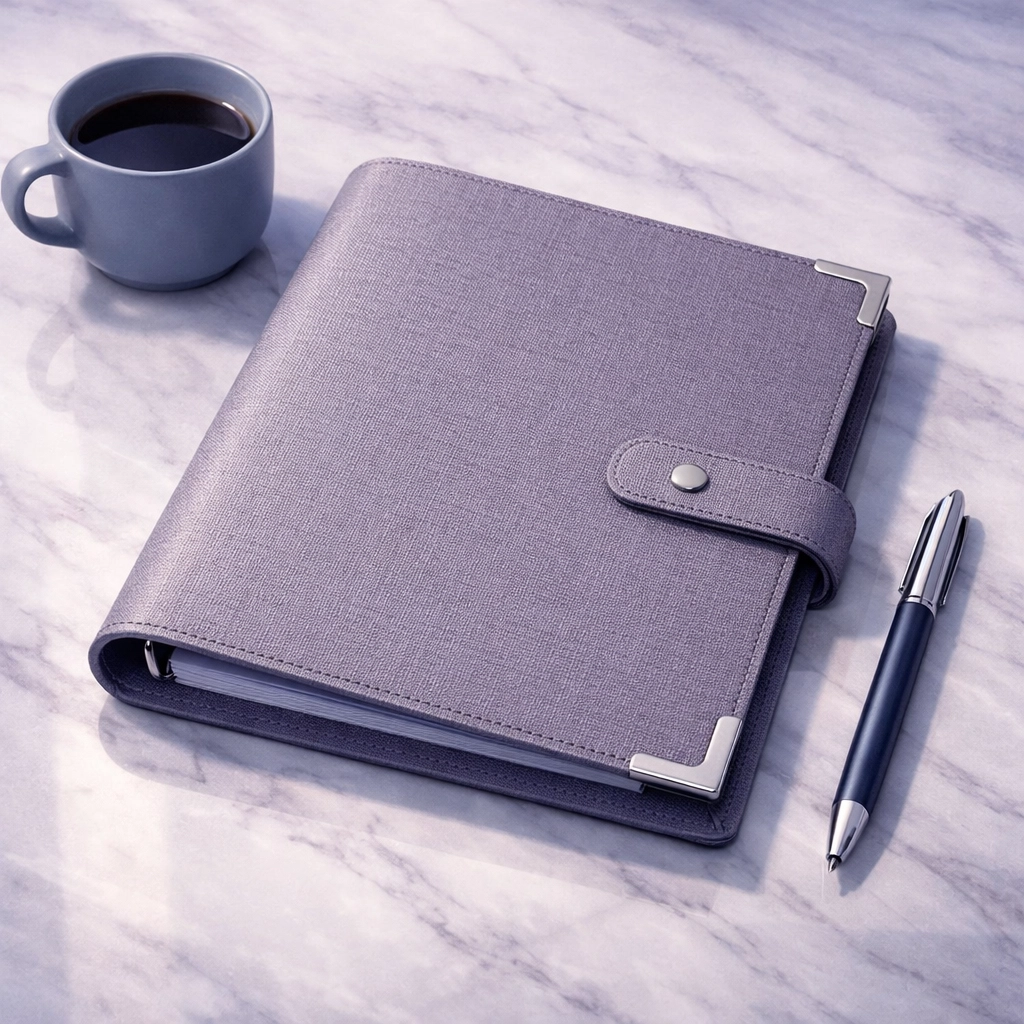
Sometimes, the visual clutter of a wall chart is too much. In those cases, a sophisticated "Chore Menu" in a leather-bound or linen binder works wonders.
Inside, you don't have a list of things you must do. You have a menu of things you could do, categorized by how much brainpower you have available.
- The "Appetizers": Small tasks like wiping a counter.
- The "Main Courses": Vacuuming or laundry.
- The "Dessert": Organizing a shelf (if that’s your version of fun!).
By framing chores as a choice, you regain a sense of agency that executive dysfunction often steals.
10. Floating Shelves with "Status Objects"
This is the most abstract but effective visual system for those who are highly visual. Use objects to represent chores.
- A specific vase on the counter means "Water the plants."
- When the laundry basket is placed on a specific "action rug" in the hallway, it's a visual cue that can't be ignored.
This removes the "reading" requirement of a chore chart. Your brain processes images and spatial locations much faster than it processes text. By designing your home to speak to you through its layout, you create a natural flow that supports your cognitive needs.
Moving Toward a More Structured Future
Why do we insist on these visual accountability systems? Because the "neurotypical manual" for home management was written for a brain that doesn't exist for many of us. The guilt of a sink full of dishes or a pile of unopened mail isn't a character flaw; it's a signal that your current environment isn't supporting your unique neurology.
The question isn't whether you are capable of maintaining a home: you are. The question is, are your tools working as hard as you are?
Stop settling for systems that make you feel like a child. Choose a method that reflects your style and supports your brain. Whether you're unboxing a new Cozyla frame or simply hanging a glass board in your kitchen, you are taking a stand for your own empowerment.
We are here to disrupt the idea that disability or neurodivergence means a lack of order. It just means we need a different kind of architecture for our lives. Let's build it together.

Looking for more ways to hack your environment? Explore our Innovation category for the latest in assistive tech and creative living solutions.