The world has shifted. For decades, the corporate "ideal" was a polished, stoic professional who left their personal struggles: and their disabilities: at the revolving door. But while companies have spent years checking boxes on physical accessibility, a silent, expensive crisis has been brewing beneath the surface. It’s called the "masking" tax, and if your organization isn't addressing it, you’re not just losing money; you’re losing your best people.
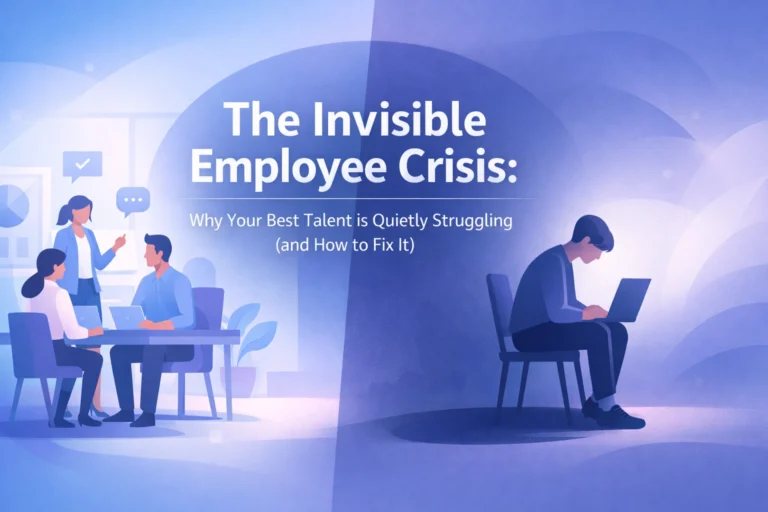
Think about the employee who consistently delivers high-quality work but seems "exhausted" every Friday afternoon. Maybe they aren't lazy or uninspired. Maybe they’ve spent forty hours a week suppressing neurodivergent tics, managing the brain fog of a chronic illness, or manually mimicking social cues that don't come naturally to them. This is masking. It is the practice of hiding one's true self, particularly an invisible disability, to fit into a neurotypical or "able-bodied" standard of professionalism.
At Dr. Disruptor, we see this every day. The "masking" tax is the cognitive and emotional energy spent just to appear "normal." It is a debt that eventually comes due in the form of burnout, turnover, and stifled innovation. But here is the secret: when you stop taxing your employees for being themselves, you unlock a massive competitive edge.
The Hidden Cost of the "Masking" Tax
Imagine trying to run the latest, most demanding graphic design software on a laptop that already has fifty browser tabs and three video games running in the background. The software is going to lag. It might even crash. That is exactly what happens to an employee with an invisible disability when they are forced to mask.
The "masking" tax isn't just a metaphor; it's a measurable drain on resources. When an individual feels they must mask their authentic selves, they experience reduced motivation and skyrocketing stress levels. They are essentially working two jobs: the one they were hired for, and the exhausting job of performing "wellness."
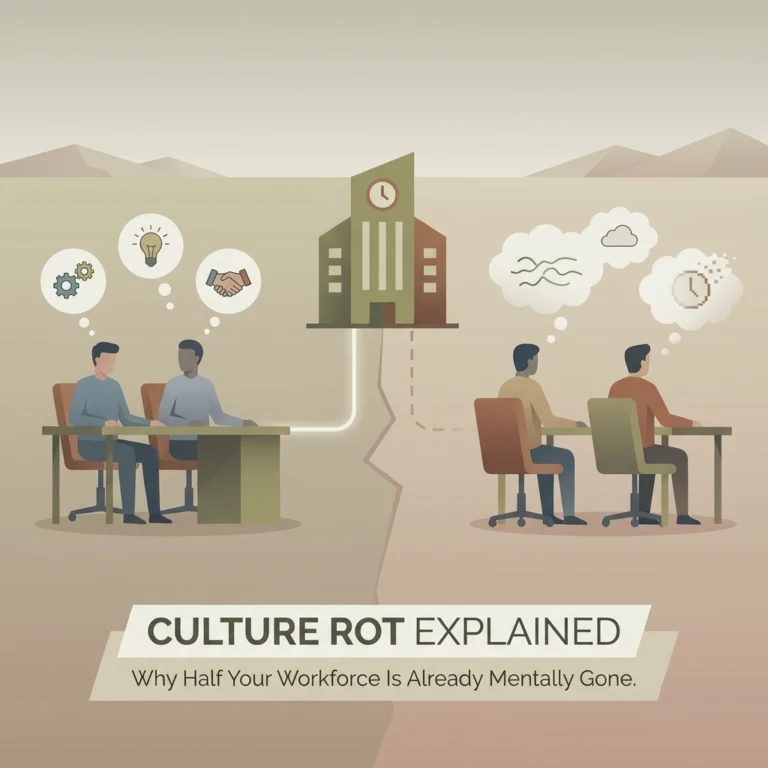
Why do we allow this? Often, it’s because institutions "pat themselves on the back" for having a diverse workforce without actually creating an inclusive culture. They hire people with different backgrounds but then expect them all to behave, communicate, and process information in the exact same way. This cookie-cutter expectation is the primary driver of the masking tax.

Authenticity as a Performance Multiplier
If the "masking" tax is the cost, authenticity is the investment that pays massive dividends. We aren't just talking about "feeling good" at work: though that matters. We are talking about hard, cold business metrics.
Research into workplace dynamics reveals a staggering reality: employers who foster a culture of authenticity see a 140% increase in employee engagement. Let that number sink in. When people don't have to hide who they are, they don't just work harder; they work better.
Furthermore, team performance jumps by 50%, and team innovation skyrockets by 90%. Why? Because innovation requires risk-taking. If an employee is too afraid to show their true self, they certainly aren't going to feel safe sharing a "disruptive" new idea that might be judged. When you remove the mask, you open the floodgates for the kind of creative problem-solving that keeps companies at the top of their industry.
The Competitive Edge in Talent Attraction
The "War for Talent" is real, and the traditional weapons of high salaries and ping-pong tables aren't working like they used to. Today’s professionals: especially those from the disability community: are looking for more. They are looking for psychological safety.
Authenticity provides a massive competitive advantage in attracting and maintaining skilled workers. In your recruitment process, transparency is your best friend. When you reveal your company’s true culture: the messy, human, supportive parts: you allow potential employees to assess fit from the start.
Consider this: a brilliant developer with ADHD might avoid a "traditional" corporate environment because they fear being penalized for their unique workflow. But if that same developer sees a company that celebrates neurodiversity and offers flexibility, they will be more engaged and committed from day one. By lowering the masking tax, you become a magnet for the 20% of the population that lives with a disability, many of whom possess the exact "out of the box" thinking your company needs.

Strengthening the Foundation of Trust
The question is, how can organizations achieve this? It starts with trust. Authenticity creates an environment where people can form genuine relationships. When a leader says, "I'm struggling with my mental health today, so I’m working from home," they aren't showing weakness; they are giving their team permission to be human.
This vulnerability acts as a "lifeline" for others. It encourages free communication and teamwork. When people aren't afraid of being "found out" for having a disability, they are more likely to ask for the specific accommodations they need to be successful.
Is it a double-edged sword? Perhaps. Some fear that "too much" authenticity leads to a lack of professionalism. But at Dr. Disruptor, we argue that true professionalism isn't about being a robot; it’s about being an effective, reliable human. And you cannot be effective if you are drowning under the weight of a mask.
How to Lower the Masking Tax: Actionable Steps
Reducing the "masking" tax requires more than just a memo from HR. It requires a shift in the very DNA of your organization. Here is how you can start:
- Audit Your "Professionalism" Standards: Are your expectations based on productivity, or are they based on social conformity? If an employee gets their work done brilliantly but doesn't like eye contact, is that actually a problem?
- Normalize Accommodations: Make it easy and shame-free to request tools. Whether it’s noise-canceling headphones, flexible hours, or written rather than verbal instructions, these "lifelines" keep the masking tax low.
- Invest in Empowerment Coaching: This is where Dr. Disruptor comes in. Empowerment coaching helps both employees and leadership navigate the transition from masking to authenticity. It provides the tools to communicate needs effectively and build a culture of mutual respect.
- Lead from the Top: If the C-suite is masking, everyone else will too. Vulnerability from leadership is the most effective way to signal that the "masking" tax is being abolished.

The Dr. Disruptor Difference: Invisible Disability Empowerment
At Dr. Disruptor, we believe that disability isn't a deficit; it’s a perspective. Our empowerment coaching is designed to help individuals with invisible disabilities shed the mask and step into their power. We don't teach people how to "fit in": we teach them how to disrupt the status quo and use their unique traits as a competitive advantage.
For organizations, we provide the roadmap to becoming an employer of choice. We help you move past the "compliance" stage of disability advocacy and into the "empowerment" stage. When you stop taxing your employees for their differences, you start reaping the rewards of their full potential.
Conclusion: A Future Without Masks
The era of the "corporate mask" is coming to an end. The companies that will thrive in the next decade are the ones that recognize the human element as their greatest asset. By eliminating the "masking" tax, you aren't just doing the "right" thing; you are doing the smart thing.
You are building a team that is more engaged, more innovative, and more loyal. You are creating a workplace where everyone, regardless of their physical or neurological makeup, can show up and do their best work.
Are you ready to stop taxing your talent? Join our community today and let’s start the journey toward a truly authentic workplace. The competitive edge is waiting for you: all you have to do is take off the mask.

Ready to learn more about how Dr. Disruptor can transform your workplace culture? Check out our podcasts and videos for more insights on invisible disability empowerment.