The world has shifted. We are no longer living in a society that respects the natural ebb and flow of human energy; instead, we are perpetually plugged into a high-voltage grid that demands constant output. For many of us: especially those navigating the complexities of disability, neurodivergence, or chronic illness: this shift has turned our daily lives into a "desert of burnout." It is a place of heat, exhaustion, and a shimmering mirage of productivity that never quite satisfies.
As we move deeper into this Lenten season, a time traditionally reserved for reflection and the breaking down of internal barriers, we have to ask ourselves: Why are we still trying to survive a desert with tools designed for a sprint?
The internal barriers we face aren't just about external deadlines. They are the voices telling us we should be doing more, the shame of "dropping the ball," and the crushing weight of a chaotic schedule. To find our way out of the desert, we need more than just grit; we need a visual sanctuary. We need cognitive load reduction. By leveraging something as simple as Google Calendar color schemes, we can begin to dismantle the internal barriers that keep us parched and depleted.
The Weight of the Unseen: Why Your Brain is Parched
Burnout doesn't usually happen because of one big event. It’s the result of a thousand tiny cuts: the "micro-decisions" we make every time we look at a cluttered, monochromatic calendar. When every task, from a high-stakes meeting to a dentist appointment, looks exactly the same, your brain has to work overtime to sort, prioritize, and evaluate. This is the definition of high cognitive load.
For the neurodivergent community, this load is even heavier. Imagine a student who consistently submits assignments late, not because of procrastination, but due to chronic fatigue and the executive dysfunction triggered by a visual "wall of text" in their schedule. Their internal barrier isn't a lack of desire; it’s a lack of clarity.
The question is, how can we achieve clarity when the world keeps adding to our plates? The answer lies in transforming our digital environment into a tool for cognitive load reduction. When we reduce the amount of processing our brains have to do just to understand what we are doing, we save that precious energy for actually doing it.
Creating a Visual Sanctuary with Cool Blues and Purples
Color isn't just about aesthetics; it’s about biology. Research shows that certain colors have a profound impact on our nervous system. While red might signal urgency or danger, cool blues and purples offer a sense of calm and focus. In the desert of burnout, these colors are our oasis.
When we talk about overcoming internal barriers, we are often talking about managing our internal state. If you open your calendar and see a sea of harsh, bright colors, your nervous system may spike before you’ve even read a single word. By intentionally choosing a palette of soft lavenders, deep indigos, and calming teals, you are sending a signal to your brain that says, "You are safe. You can handle this."
Why Blue and Purple?
- Blue for Concentration: Deep blues foster a sense of stability and focus. They are perfect for "Deep Work" blocks where you need to drown out the noise of the world.
- Purple for Creative Reflection: Lavender and violet tones are often associated with intuition and mindfulness. Using these for self-care or reflection periods helps transition the brain out of "survival mode."
- Teal for Balance: A mix of blue and green, teal promotes harmony. It’s the ideal color for tasks that require communication or community engagement.
By implementing these specific Google Calendar color schemes, you aren't just organizing your time: you are practicing cognitive load reduction. You are building a visual sanctuary that protects you from the scorching heat of overstimulation.
Breaking the "Should" Barrier: A Step-by-Step Guide
The biggest internal barrier we face during Lent: and throughout the year: is the word "should." I should be able to remember this. I should be able to look at a messy list and just get to work.
Let’s drop the "shoulds" and pick up the tools. Here is how you can practically apply these concepts to your Google Calendar today:
- Audit Your Current Colors: Open your calendar. Does it feel like a chaotic desert or a calm garden? If it’s the former, it’s time for a reset.
- Categorize by Energy, Not Just Task: Instead of just "Work" or "Home," try categorizing by energy output. Use a Deep Blue for high-energy focus tasks and a soft Lavender for low-energy administrative tasks.
- Implement "Buffer Blocks" in Grey or Teal: We often forget that moving from one task to another requires a transition. Schedule 15-minute "buffer blocks" in a neutral color to give your brain a moment to breathe.
- Use the "Bold" Features Sparingly: Only use high-contrast colors (like bright red) for genuine emergencies or health-related appointments that cannot be missed. If everything is "urgent," nothing is.
- Automate Your Visual Boundaries: Set recurring events for your rest periods and give them your favorite calming color. This ensures that your "oasis" is protected every single week.
These steps are small, but their impact on your mental health is massive. They represent a shift from being a victim of your schedule to being the architect of your own resilience.
Challenging the Culture of "Performative Productivity"
It’s easy for institutions to pat themselves on the back for offering a "wellness webinar" while simultaneously expecting employees and students to be available at all hours of the night. We see this in workplaces that claim to be "inclusive" but offer no flexibility in how tasks are assigned or visualized.
The culture of performative productivity tells us that if we aren't constantly busy, we aren't valuable. This is one of the most toxic internal barriers we have to dismantle. We have to realize that our worth is not tied to the number of boxes we check off in a day.
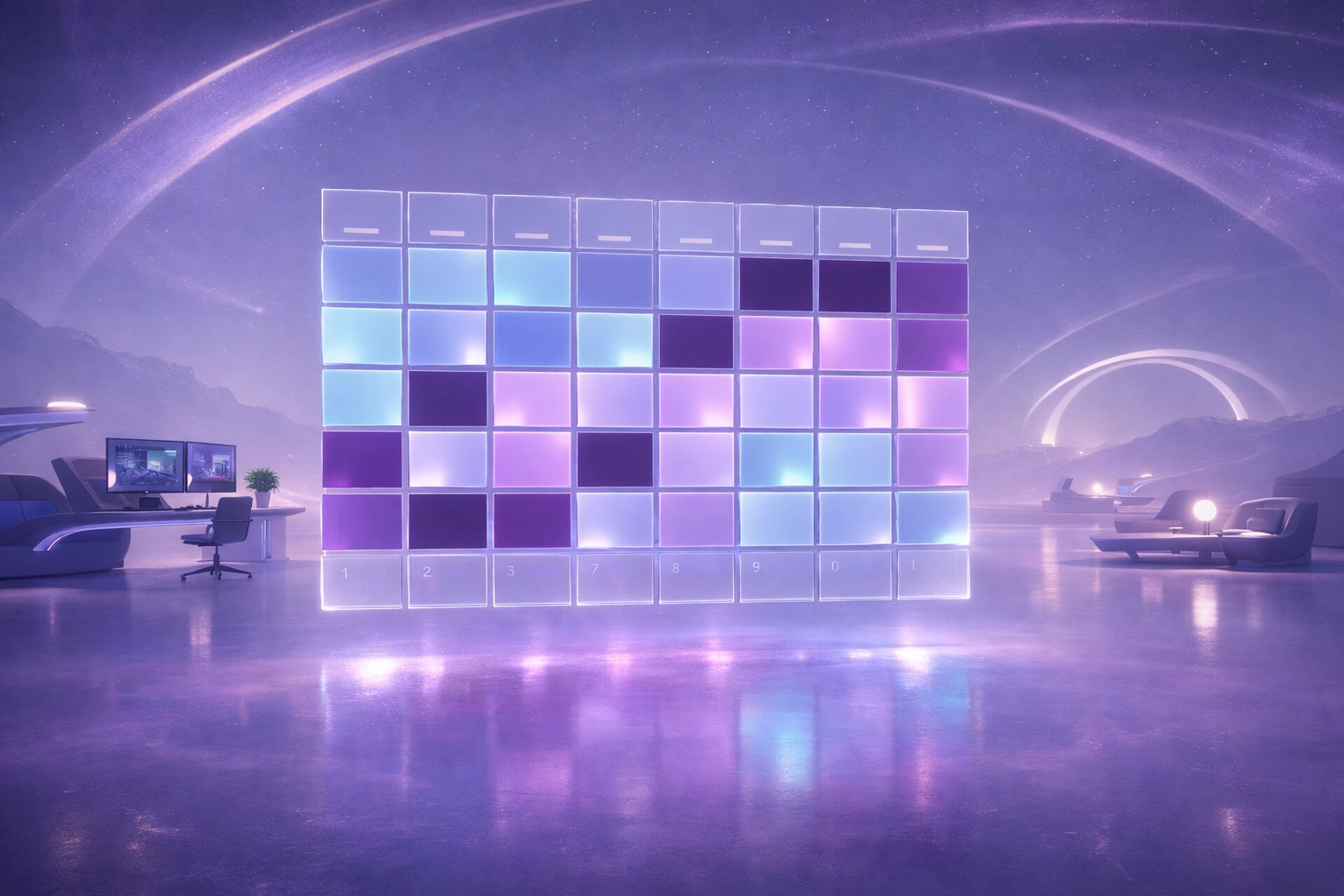
When we choose to use Google Calendar color schemes as a tool for cognitive load reduction, we are making a radical statement. We are saying that our mental health matters more than the "grind." We are challenging the idea that a "successful" person is one who is perpetually on the edge of a breakdown. Why do we celebrate the person who works through their lunch break but ignore the person who has mastered the art of sustainable pacing?
By reclaiming our time and our visual space, we are demanding a world that values human sustainability over mechanical output.
The Lenten Reflection: Finding Resilience in the Quiet
Lent is often seen as a season of giving things up. But what if, instead of giving up chocolate or social media, we gave up the internal barriers of shame and overwhelm? What if we gave up the "desert" mentality of scarcity and embraced the "oasis" mentality of intentionality?
Reflection is a key part of building resilience. When you look at a beautifully color-coded calendar, you can reflect on your week with clarity. You can see exactly where your energy went. Did you spend too much time in the "High-Energy Blue" zone and not enough in the "Restorative Purple" zone? This visual feedback is essential for long-term growth.
Resilience isn't about never getting tired; it’s about knowing how to recharge when you do. It’s about recognizing when you are wandering into the desert and having the tools to find your way back to the water. Cognitive load reduction isn't just a productivity hack; it’s a form of self-compassion. It’s a way of saying to yourself, "I know things are hard, so I’m going to make this one part of life a little bit easier for you."

A Forward-Looking Vision: Your Path Out of the Desert
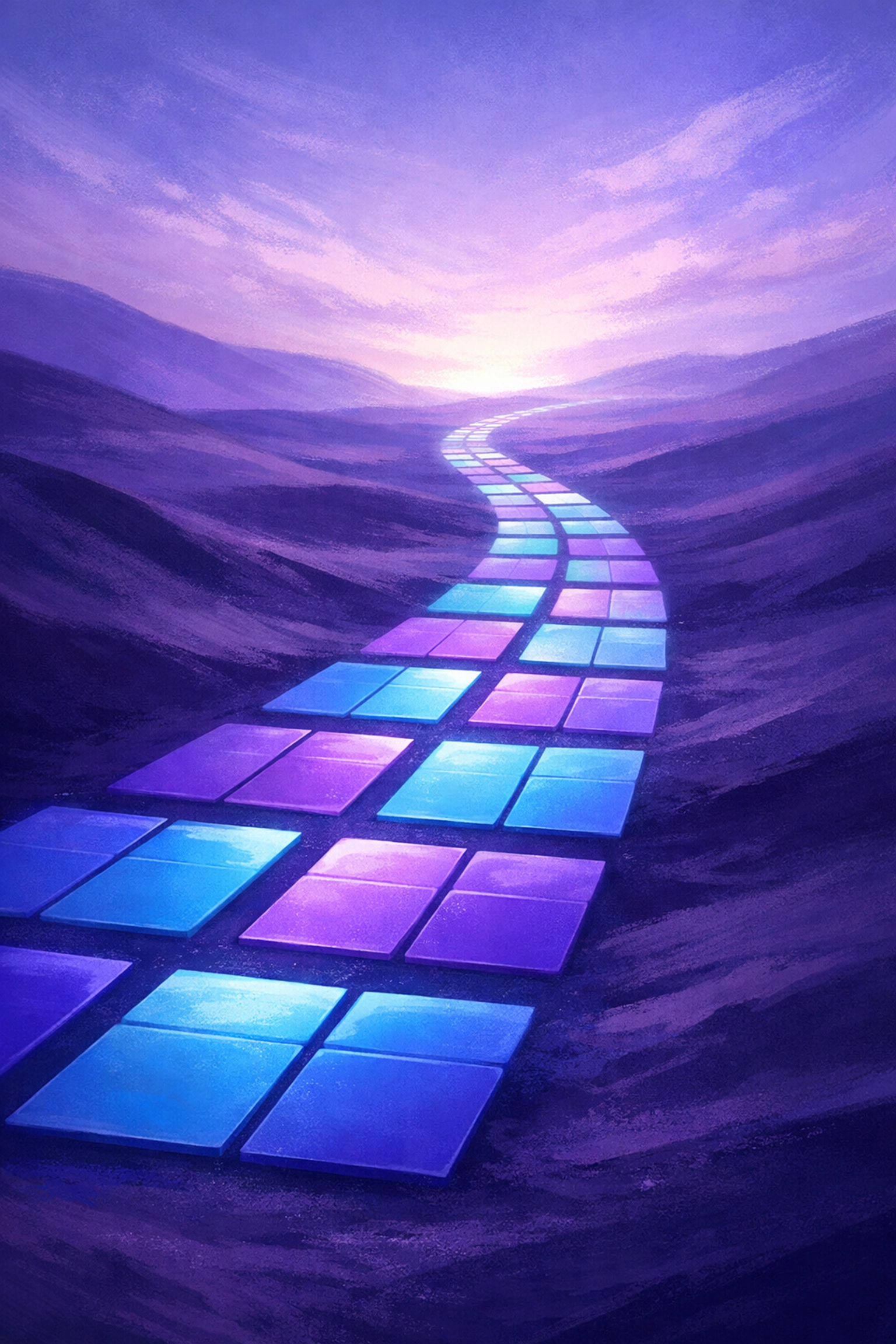
The desert of burnout is vast, but it is not infinite. As we continue through this season, I want to challenge you to look at your calendar not as a list of demands, but as a map for your journey.
Every time you change a color to a calming blue or a reflective purple, you are chipping away at an internal barrier. You are choosing resilience over exhaustion. You are choosing clarity over chaos.
The question is, how can you start today? You don't need a total life overhaul. You just need a few minutes and a commitment to your own well-being. Start by changing just one category of events. Notice how your body reacts when you see that calming color on your screen.
We are building a community here at Dr. Disruptor that refuses to accept the desert as our permanent home. We are creating oases of accessibility and empowerment, one Google Calendar at a time. Let’s move forward together, with a focus on cognitive load reduction, breaking down every barrier that stands in the way of our collective resilience.
Your journey out of the desert starts with a single shade of blue. Are you ready to take the first step?