The world has shifted, and your workplace culture hasn't caught up. Right now, 39% of employees are burning out: an increase that's only accelerating. But here's the part most HR teams are missing: the employees burning out fastest are the ones you can't see struggling.
They're the ones with ADHD who've built elaborate coping mechanisms to appear "on top of it." The employees with chronic pain who schedule bathroom breaks just to cry. The team members with anxiety disorders who spend weekends recovering from the social energy it takes to appear "fine" in Monday meetings.
This is the cost of silence. And it's bankrupting your workforce: emotionally, physically, and financially.
The Silent Epidemic No One's Talking About
Let's get specific about what silence costs. For employers, burnout drains between $5,500 and $28,500 per employee annually through lost productivity, increased healthcare costs, and turnover. Multiply that by the percentage of your team quietly suffering, and you're looking at hundreds of thousands: potentially millions: in preventable losses.
But the human cost? That's incalculable.
Here's what's happening: 58% of employees are personally affected by mental health issues or support family members who are, yet only 33% feel safe enough to disclose this to their employers. That 25-point gap between reality and disclosure? That's where careers go to die slowly.

Among employees with invisible disabilities: which represent 62% of all employees with disabilities: approximately half choose not to tell anyone at work. They don't disclose their ADHD. They don't mention their chronic migraines. They don't ask for the accommodations they desperately need.
Why? Because 42% of workers fear that discussing mental health or disability could torpedo their career trajectory. And they're not wrong to be afraid. We've built workplace cultures where appearing "normal" is more valuable than being productive.
Understanding "Quiet Cracking"
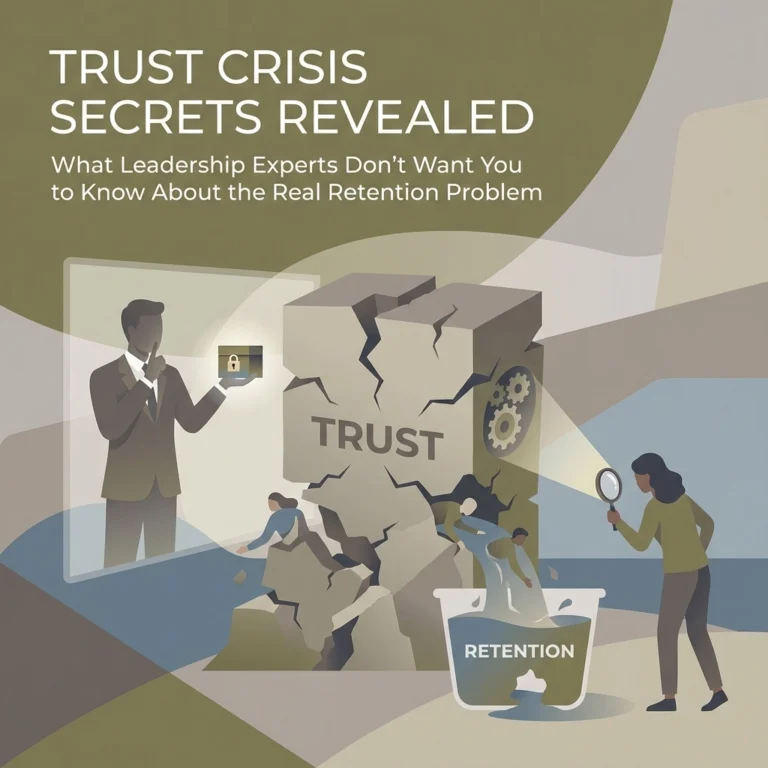
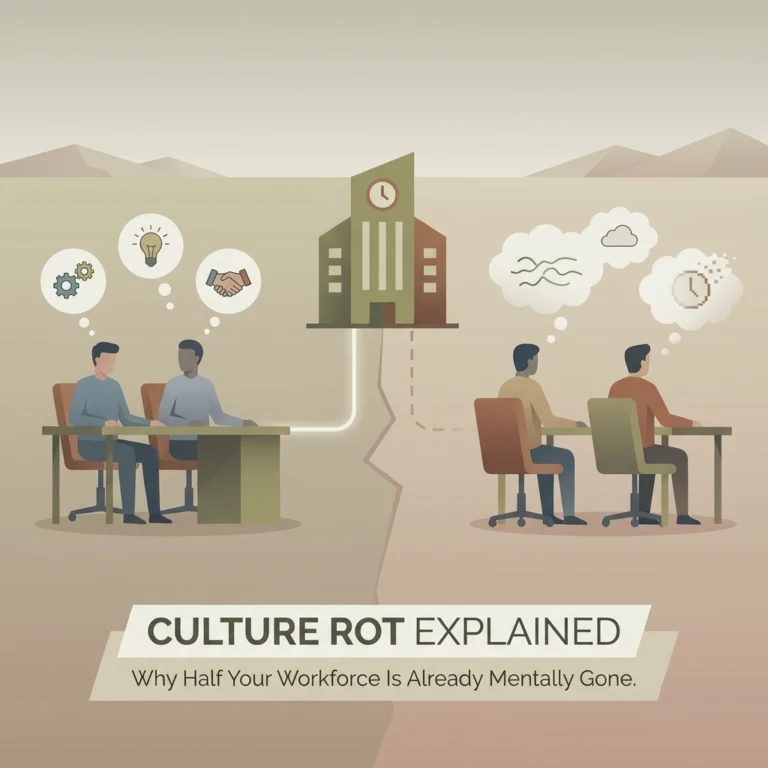
There's a term for what happens when employees can't speak up about their needs: Quiet Cracking. It's the silent erosion of careers and mental health that happens when people are forced to operate in survival mode indefinitely.
Picture this: An employee with ADHD arrives at work each day and immediately begins the exhausting performance of appearing neurotypical. They compensate for executive dysfunction by working twice as long. They mask their processing differences in meetings. They expend enormous cognitive energy just maintaining the illusion of "keeping up."
Meanwhile, an employee with a chronic illness schedules their entire life around hiding their symptoms. They skip lunch to rest. They cancel personal plans to recover from work. They smile through flare-ups that would send most people to the emergency room.
This isn't resilience. This is quiet cracking: and it's happening in every department of your organization right now.
The statistics paint a devastating picture: 24% of employees with invisible disabilities report they cannot cope with their workload, and 19% say this inability to cope is making them consider leaving their jobs. Among those who do try to seek support, half report the process is so difficult that the effort isn't worth it.

The Burnout Acceleration Effect
Here's what traditional burnout prevention programs miss: employees with invisible disabilities aren't starting from the same baseline as their colleagues. The conditions themselves: ADHD, autism, chronic pain, mental health conditions: already deplete energy and cognitive resources. Add an inaccessible work environment on top, and you're not just creating burnout risk. You're creating a burnout accelerator.
Without intentional structures to reduce cognitive load and decision fatigue, employees managing chronic stress or neurodivergence spiral into overwhelm faster. They're juggling the demands of their actual job plus the exhausting work of hiding their struggles plus the constant anxiety about being "found out."
The research is clear: disabled and neurodivergent workers are particularly vulnerable to burnout, with complete exhaustion arriving faster for those navigating ADHD, autism, or chronic health conditions. And when burnout hits? Burned-out workers are three times more likely to seek employment elsewhere.
Your "top performer" who suddenly resigns without warning? There's a good chance they were quietly cracking for months, and you never noticed.
Why Smart Businesses Can't Afford Silence Anymore
Let's talk about what silence costs your bottom line: because this isn't just a "nice to have" diversity initiative. This is strategic business survival.
Employees with invisible disabilities who don't receive accommodations show significantly lower engagement scores. They're less likely to advance into leadership roles. They report feeling their skills aren't being utilized effectively. They're actively looking for the exit.

Meanwhile, relationships suffer, physical health deteriorates, and secondary mental health conditions like depression and anxiety develop or worsen. The employee you hired for their innovative thinking? Their brain is too exhausted from compensating to innovate anymore.
The silence isn't protecting anyone. It's just making the problem invisible until it becomes catastrophic.
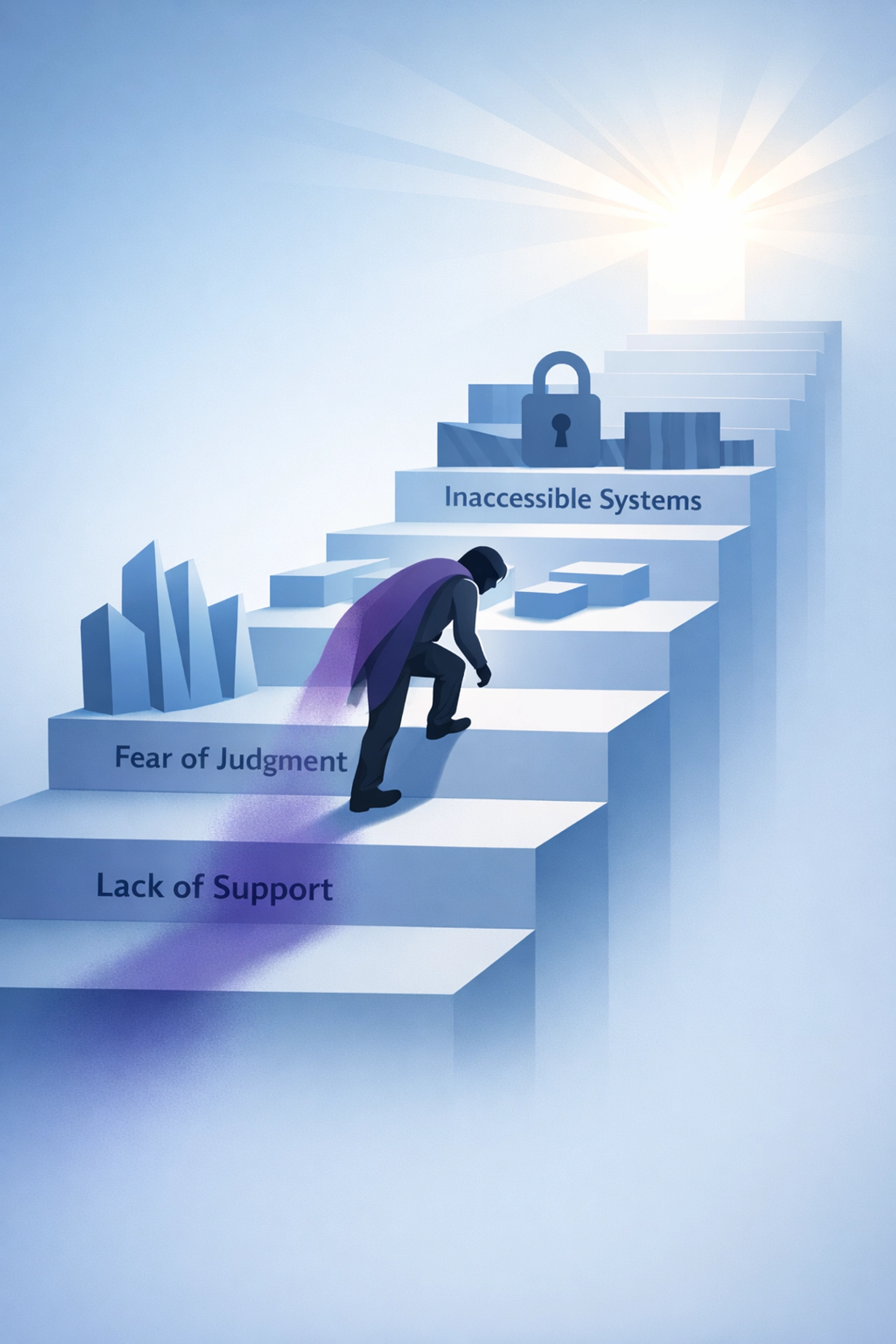
34% of employees with invisible disabilities cite fear of judgment and doubts about their work competence as primary reasons for not disclosing. They've internalized the message that needing support equals being incompetent. So they keep quiet, work harder, and burn out faster: taking their talent, institutional knowledge, and potential with them when they inevitably leave.
Breaking the Cycle: What Actually Works
Here's where we flip the script. Because the solution to quiet cracking isn't asking employees to "speak up more" or offering generic wellness webinars. The solution is structural change that removes the barriers to disclosure and makes accommodations the default, not the exception.
According to employees with invisible disabilities, here's what they actually need:
Flexible working hours : 48% of workers identify this as their top need. Not "flexibility as a perk for high performers," but flexibility as a fundamental accommodation that allows people to work when their brains and bodies function best.
Manager and senior leadership training : 39% need their bosses to understand invisible disabilities exist and how to support them. Your managers need to learn that "looking busy" isn't the same as being productive, and that accommodation requests aren't admissions of weakness.
Employee awareness training : 35% want their coworkers to understand what invisible disabilities are and why accommodations aren't "special treatment." Culture change starts with education.
Assistive technology and tools : 31% need better tools, from screen readers to focus apps to ergonomic equipment. The median cost of a workplace accommodation is $300. You spend more than that on coffee.
Employee assistance programs : 30% need accessible mental health support and guidance navigating workplace accommodations.
But here's the critical piece most organizations miss: Make workplace assessments and regular one-on-one wellbeing check-ins standard practice. Don't wait for employees to come forward. Build disclosure into your onboarding process and normalize ongoing conversations about what people need to do their best work.
When employees do disclose, act quickly. Implement accommodations without lengthy bureaucratic processes. Keep the person informed. Conduct regular reviews to ensure the accommodations are actually working.
The Business Case You Can't Ignore in 2026
Let's be ruthlessly practical here: Disabled employees bring in-demand skills and drive innovation. They've spent their entire lives problem-solving around barriers. They're experts at creative thinking, adaptation, and finding solutions others miss.
Cutting disability budgets or maintaining cultures of silence risks higher turnover, increased recruitment costs, and reduced productivity. In a competitive talent market, you cannot afford to lose employees because you failed to provide a $300 accommodation or because your managers don't know how to have a basic conversation about needs.
The cost of silence is measurable: $5,500 to $28,500 per burned-out employee annually, plus the immeasurable cost of lost innovation, damaged team morale, and talent walking out your door.
The cost of speaking up: of creating psychological safety and providing accommodations: is negligible in comparison. Resources like the Department for Work and Pensions' Access to Work program can even help cover equipment, adaptive technology, and training costs.

Moving From Survival Mode to Success Mode
The quiet cracking happening in your organization right now isn't inevitable. It's the predictable result of cultures that prioritize appearance over accessibility, and "normal" over productive.
Your employees with invisible disabilities aren't asking for charity. They're asking for the basic tools to do the job you hired them for: without destroying their health in the process.
The question isn't whether you can afford to accommodate them. The question is whether you can afford the cost of continued silence: the turnover, the burnout, the lost innovation, the talent hemorrhaging to competitors who figured this out first.
2026 is the year to stop treating disability inclusion as a legal compliance checkbox and start treating it as what it actually is: your greatest competitive advantage.
Because the employees who are quietly cracking right now? They're not going to keep quiet forever. They're going to find workplaces that see their value and provide the support they need.
The only question is whether that workplace will be yours.