You know that sound? The collective thud of a company-wide email hitting everyone's inbox at 3:47 PM on a Friday, announcing the rollout of a "revolutionary new wellness initiative" that promises to "transform your work-life experience."
Cue the eye rolls.
Another meditation app subscription. Another mindfulness workshop led by someone who's never worked a day in your department. Another corporate wellness program that costs six figures and addresses exactly zero of the reasons people are burning out, calling in sick, or quietly updating their LinkedIn profiles.
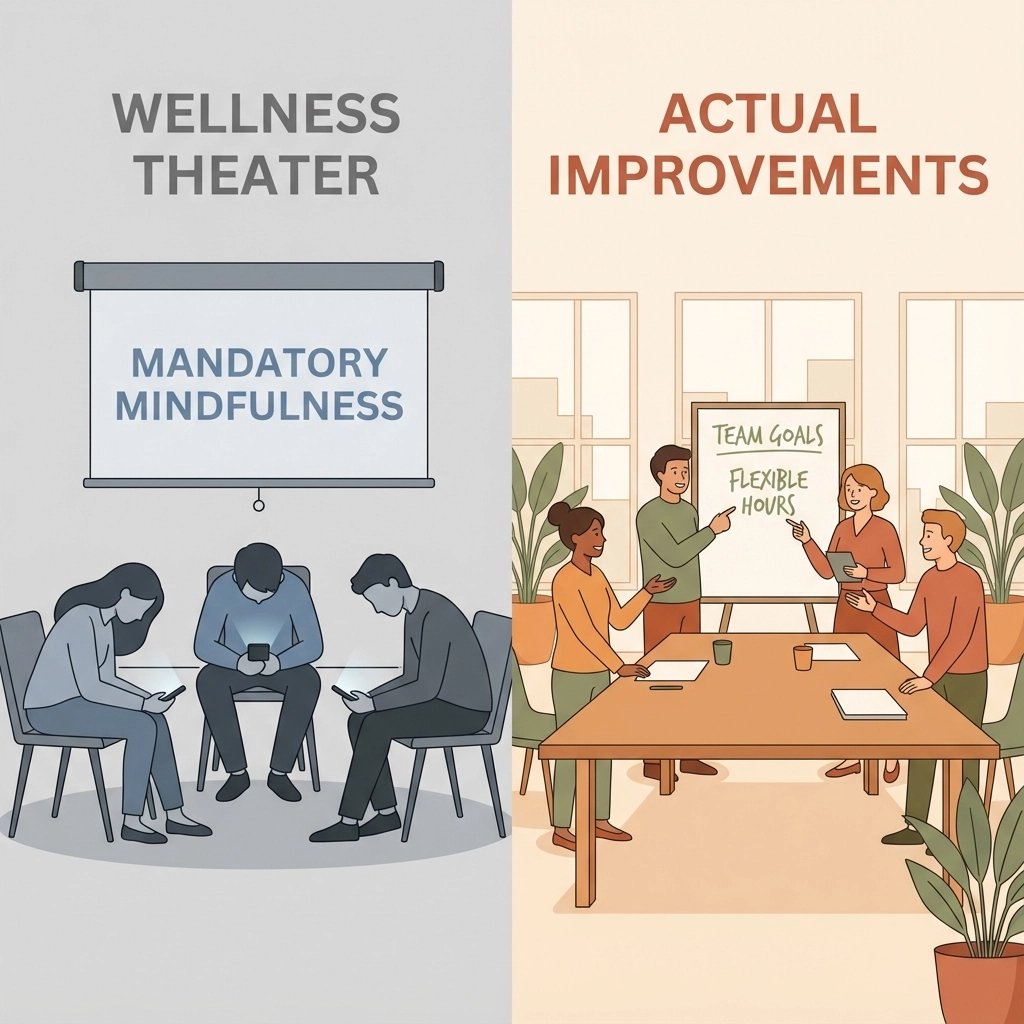
Here's the uncomfortable truth: most employee wellness programs are expensive band-aids slapped over gaping wounds. They're the organizational equivalent of offering someone a breath mint while their house is on fire.
The Wellness Theater We've All Seen Before
Let's be honest about what most workplace wellness programs actually look like in practice:
The Official Corporate Line: "We're investing in cutting-edge wellness technology and evidence-based mental health resources to support our team's holistic well-being journey."
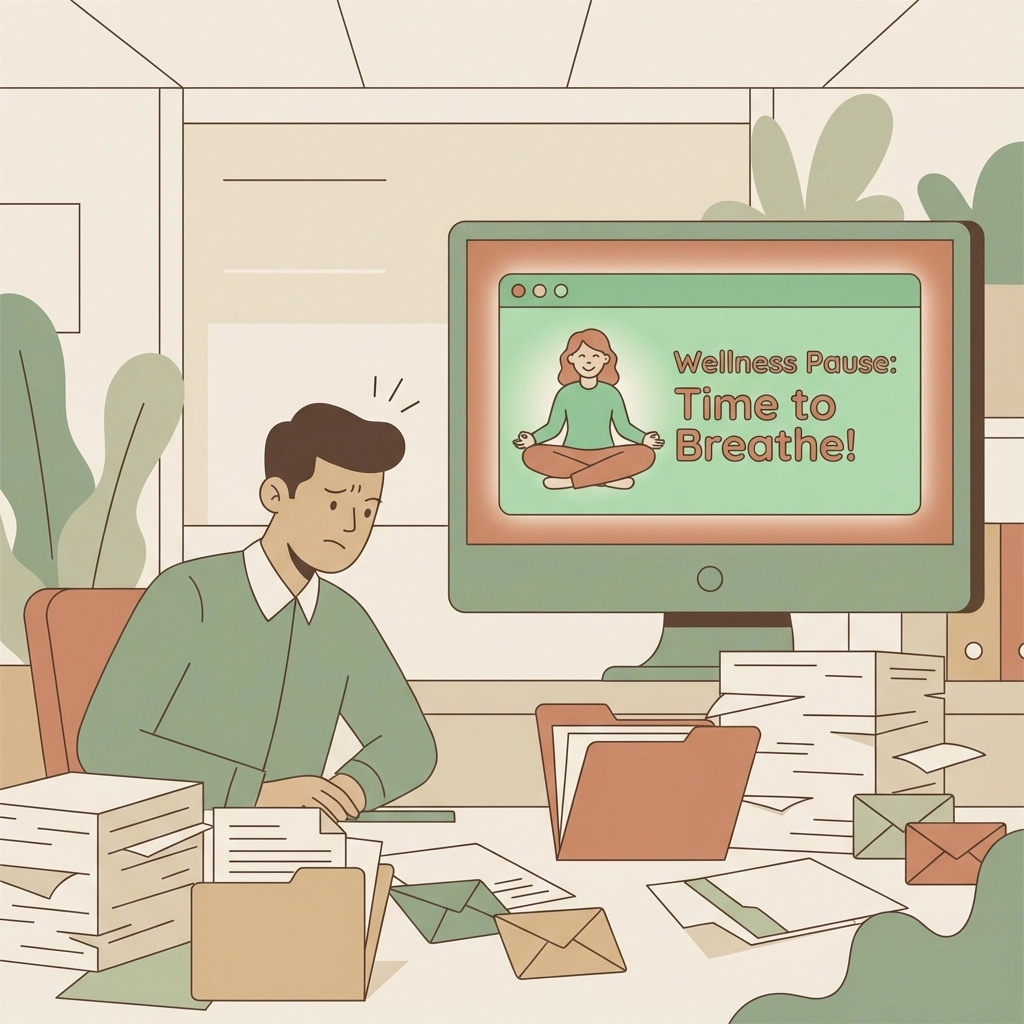
The Satirical Reality: We bought an app that sends people push notifications to breathe while they're drowning in unrealistic deadlines, working for managers who wouldn't recognize emotional intelligence if it submitted a formal presentation with charts.
Sound familiar? You're not alone.
"They spent $50K on a wellness platform while refusing to hire the two additional team members we desperately needed. The irony wasn't lost on anyone." , Sarah, Marketing Manager
"Our wellness program offered stress management workshops on Saturdays. Because nothing says 'we care about your work-life balance' like mandatory weekend self-care." , Marcus, Operations Coordinator
The numbers don't lie either. Companies spend an average of $150-300 per employee annually on wellness initiatives, yet employee burnout, stress-related sick days, and turnover continue climbing. Why? Because we're treating symptoms instead of causes.
What Employees Actually Want: The Real Talk
Here's what nobody talks about at those expensive corporate wellness conferences: employees don't need another app telling them to meditate. They need workplaces that don't make meditation necessary for basic survival.
After years of watching companies throw money at the wrong solutions, here are the five things employees actually want instead of your fancy wellness programs:
1. Realistic Workloads (Not Yoga Classes at Lunch)
The Real Issue: You can't namaste your way out of an impossible project timeline.
Employees want workloads that don't require superhuman stamina to complete. They want deadlines based on actual capacity, not wishful thinking. They want to finish their work during work hours without feeling like failures.
What This Looks Like:
- Project planning that includes buffer time for the unexpected
- Regular workload audits that actually result in redistribution
- Saying no to clients/projects when teams are at capacity
- Hiring adequate staff instead of expecting current employees to "do more with less"
"I'd trade every meditation app subscription for one manager who understands that quality work takes time." : Jennifer, Software Developer
2. Competent Management (Not Stress Management Workshops)
The Real Issue: The biggest source of workplace stress isn't the job itself: it's bad leadership.
Employees want managers who can manage. Not toxic bosses who create the stress that requires management. Not leaders who need their own teams to manage up constantly just to keep projects from imploding.
What This Looks Like:
- Managers who communicate clearly and consistently
- Leadership that gives feedback in real-time, not during annual reviews
- Supervisors who understand the work they're supervising
- Decision-makers who take responsibility instead of passing blame downward

3. Psychological Safety (Not Mental Health Apps)
The Real Issue: You can't app your way to authentic workplace culture.
Employees want to work in environments where they can speak up about problems without retaliation, admit mistakes without public shaming, and disagree with decisions without career suicide.
What This Looks Like:
- Open communication that's actually open (not performative)
- Mistake-handling processes that focus on learning, not punishment
- Regular team check-ins that address systemic issues, not just individual performance
- Leadership that models vulnerability and acknowledges their own learning edges
"We had a mental health awareness week while people were literally afraid to take sick days. The disconnect was stunning." : Alex, Human Resources
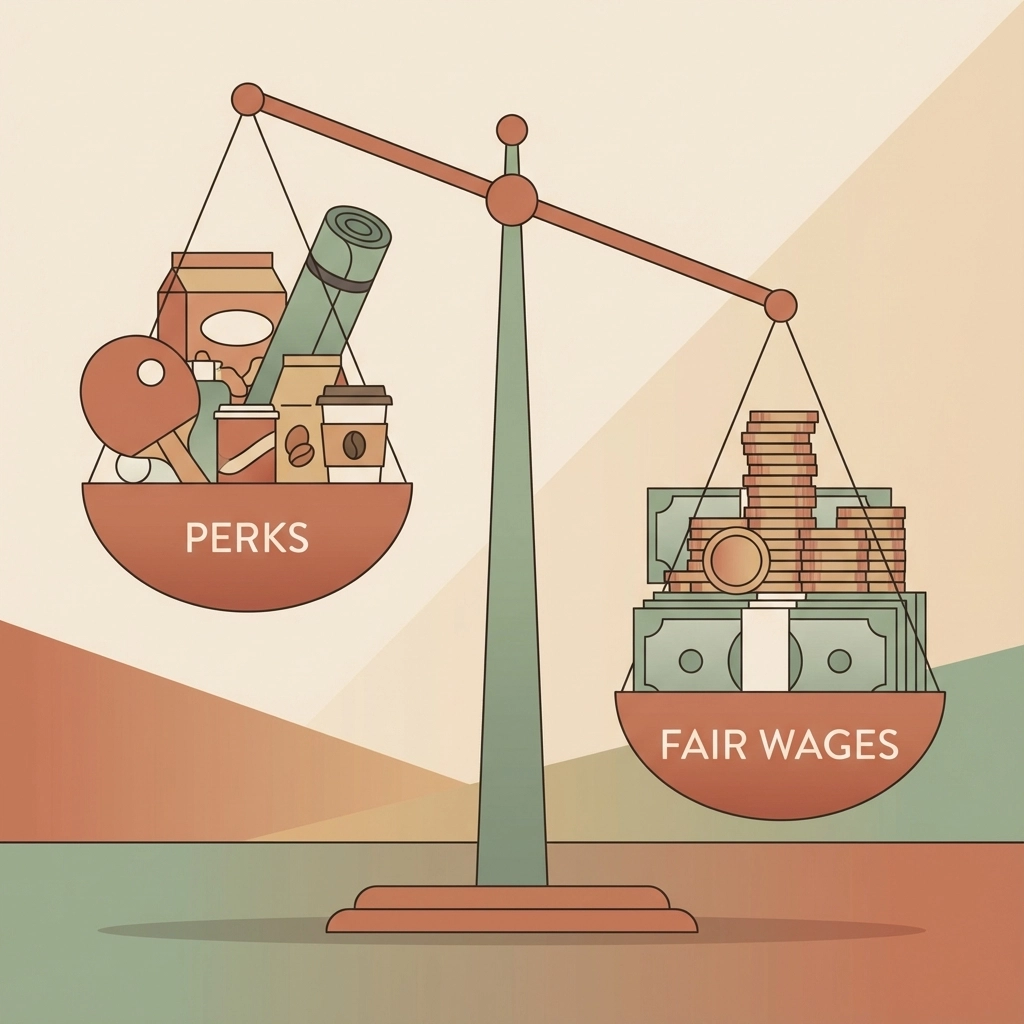
4. Fair Compensation (Not Ping Pong Tables)
The Real Issue: Financial stress doesn't care about your office amenities.
Employees want to be paid fairly for their work. They want compensation that reflects their value, market rates, and the actual scope of their responsibilities. They want benefits that actually benefit them.
What This Looks Like:
- Regular market-rate salary reviews
- Transparent pay scales and promotion criteria
- Benefits that address real needs (childcare, eldercare, student loans)
- Bonuses tied to actual performance, not company-wide metrics employees can't influence
5. Respect for Personal Time (Not Flexible Wellness Hours)
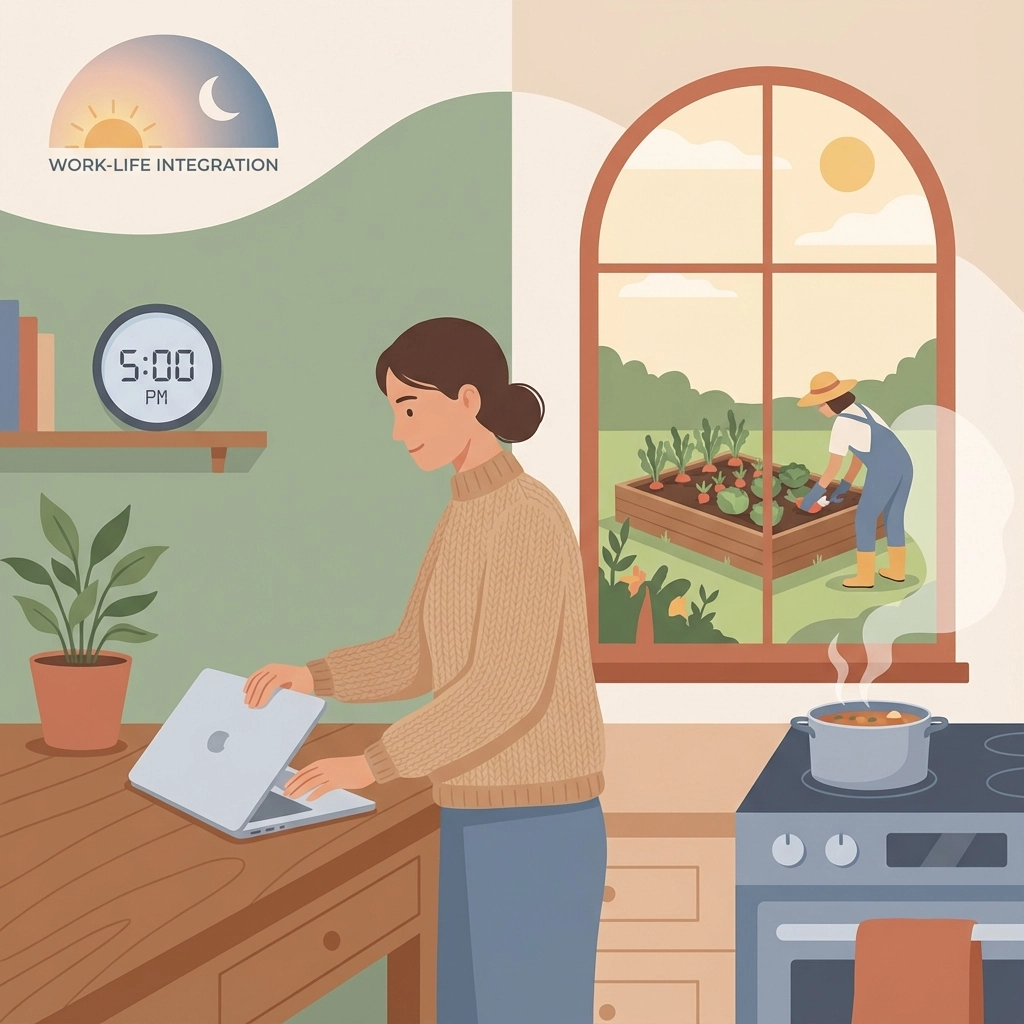
The Real Issue: Work-life balance isn't about having time for wellness activities: it's about having a life outside of work.
Employees want boundaries that are actually honored. They want "urgent" to mean urgent, not "I didn't plan ahead." They want time off that doesn't come with passive-aggressive comments or inbox anxiety.
What This Looks Like:
- Meeting-free time blocks that are actually protected
- Email policies that don't expect 24/7 availability
- Time off that doesn't require catching up on double workload
- Emergencies that are actual emergencies, not poor planning disguised as urgency
The ROI of Getting It Right
Here's what happens when companies address these core issues instead of throwing money at wellness theater:
- Turnover drops (saving massive recruitment and training costs)
- Sick days decrease (because stress-related illness actually decreases)
- Productivity increases (because people can focus on work instead of surviving work)
- Employee referrals increase (because people actually want their friends to work there)
"When my company finally hired adequate staff and set realistic deadlines, my stress levels dropped more than any mindfulness program ever achieved." : David, Project Manager
The Bottom Line
Stop buying expensive solutions to cheap problems.
Your employees don't need another app, another workshop, or another initiative. They need workplaces that don't require wellness programs to function as human beings.
The most effective employee wellness program is creating conditions where wellness occurs naturally: where people aren't constantly fighting their work environment just to maintain basic mental health.
What's Your Experience?
Have you worked somewhere that got this right? Or are you currently living the wellness program contradiction we've described here?
Share your stories in the comments. The more we talk honestly about what actually works (and what obviously doesn't), the faster we can move past the expensive theater toward workplaces that actually work for everyone.
Because the rubber meets the road when companies stop pretending apps can fix what leadership broke.