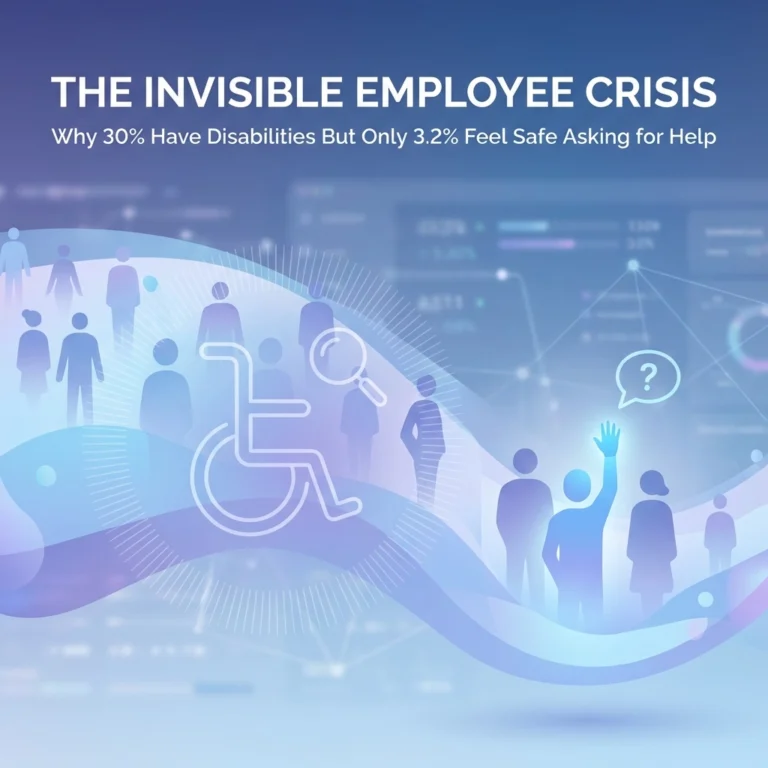
The world has shifted, and the traditional "hustle culture" that once defined professional success is finally being exposed for what it is: a fragile facade that ignores the human element. For those of us navigating the professional world with invisible disabilities, neurodivergence, or chronic illness, the stakes have always been higher. We aren't just doing our jobs; we are constantly translating an inaccessible world into something we can navigate. This internal labor is what we call Invisible Strength, and it is the most undervalued asset in the modern economy.
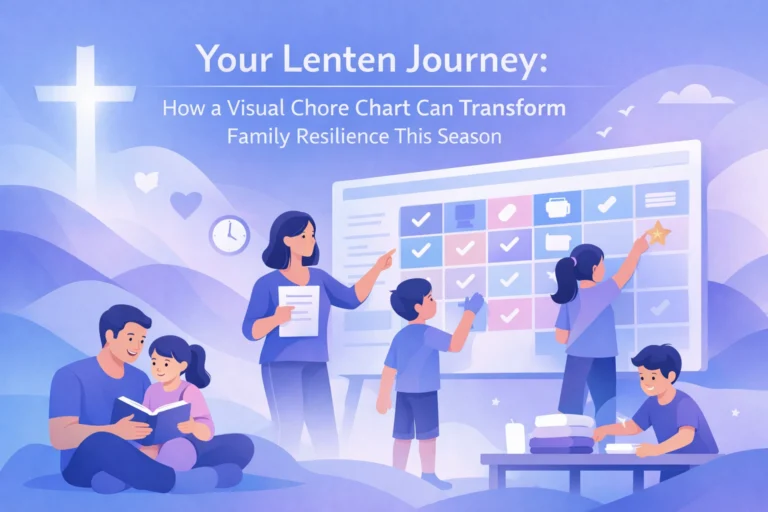
As we reach the conclusion of our Lenten series here at Dr. Disruptor, we’ve spent weeks reflecting on resilience, auditing our environments, and finding tools like visual chore charts or color-coded calendars to manage the chaos. But the final piece of the puzzle isn't a tool or a hack. It’s the shift from individual grit to collective power. Resilience isn't a solo sport, and Invisible Strength is most potent when it is recognized, shared, and supported by a radical community.
Beyond the Surface: Redefining Resilience
We often hear the word "resilience" used as a polite way to tell people to "suffer in silence." Institutions often pat themselves on the back for "resilient" employees, but what they really mean is that those employees have learned how to hide their struggles so well that they don't inconvenance the bottom line.
True Invisible Strength is different. It is the tactical, lived experience of managing a disability while excelling in a career. It is the student who submits an assignment late not because of procrastination, but because they had to navigate a week of chronic fatigue that would have sidelined most people for a month. It is the manager who uses Authentic Resilience to lead with empathy because they know what it’s like to fight for every inch of progress.
The question is, how do we move from "surviving the desert" to thriving in the workplace?

The Myth of the Individual Hero
We’ve been sold a story that resilience is something you find deep within yourself during 40 days of isolation. While reflection is vital, the "lone wolf" approach to disability advocacy is a recipe for burnout. The desert of burnout is real, and you cannot cross it without a caravan.
Invisible Strength becomes a superpower when it is paired with workplace strategies that actually acknowledge human limits. When we try to be "individual heroes," we reinforce the idea that the environment doesn't need to change: only the person does. But why should you have to be "extraordinarily strong" just to have a standard Tuesday?
Real change happens when we stop asking individuals to be more resilient and start asking organizations to be more supportive. It’s about building an Inclusive Culture where the burden of adaptation isn't placed solely on the person with the disability.
Challenging the Institutional Status Quo
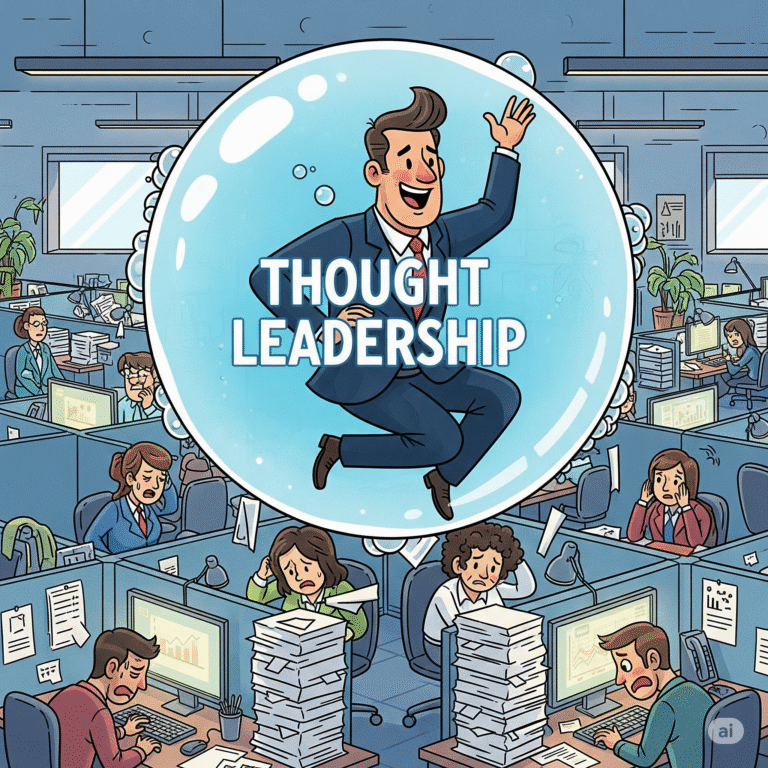
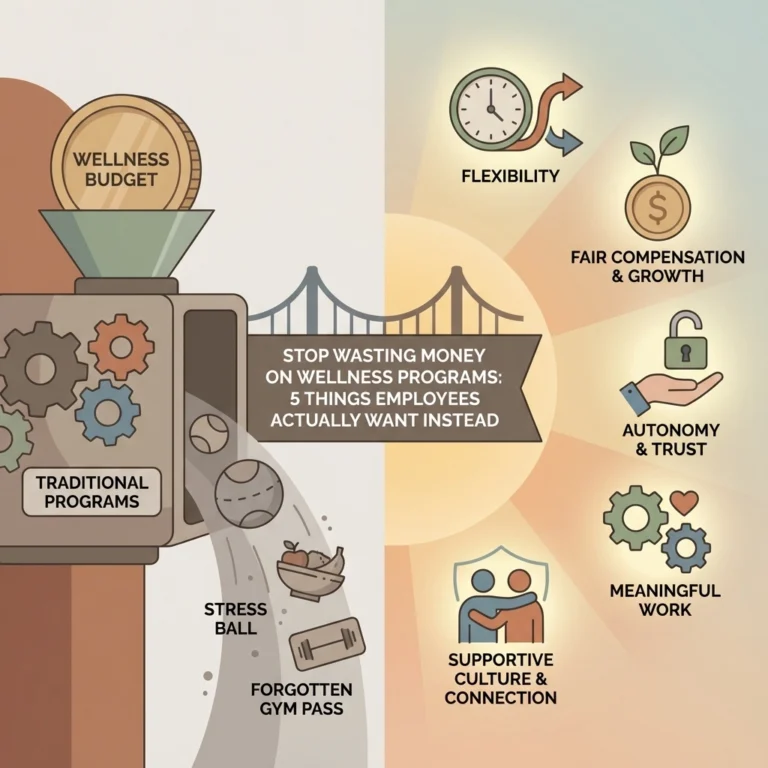
Many organizations have "wellness initiatives" that consist of a monthly newsletter and a discount on a meditation app. They feel they have checked the box, yet their internal structures remain rigid and unforgiving.
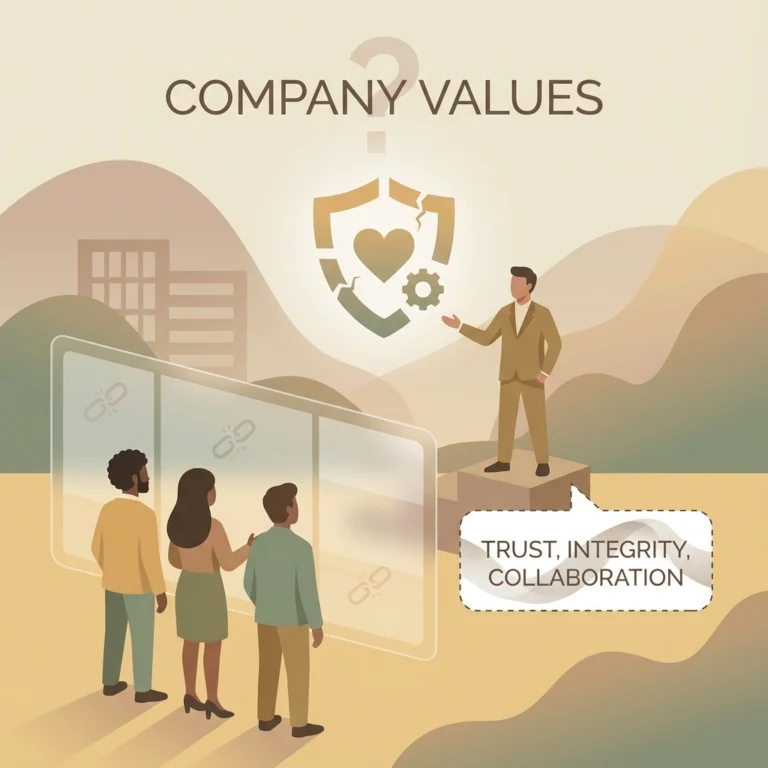
If an organization wants to tap into the Invisible Strength of its workforce, it must move beyond performative DEI. It’s time to challenge the structures that prioritize "appearing busy" over "being effective."
- Stop Micromanaging Results: If an employee delivers high-quality work but needs to do it at 10 PM because that’s when their brain is most focused, let them.
- Radical Transparency: Leaders who share their own struggles with mental health or burnout give their teams permission to be human.
- Audit the Unseen: Don't wait for a crisis to check in. Proactively ask, "What barriers are you hitting that I can't see?"

Building Your Radical Community
You cannot do this alone. Finding a community of people who "get it" is the ultimate lifeline. This isn't just about networking; it's about finding a space where you don't have to explain why you’re tired or why a specific sensory input is overwhelming.
In this radical community, Invisible Strength is the common language. It’s where you trade strategies: not just "how to work harder," but "how to navigate this specific HR hurdle" or "how to ask for a remote work accommodation without feeling guilty."
When we share our stories, we realize that our "weaknesses" are actually specialized skills. The person with ADHD isn't just "distracted"; they are a divergent thinker who can see connections others miss. The person with chronic pain isn't just "slow"; they are a master of efficiency because they have to make every movement count. This is Authentic Resilience in action.
Actionable Strategies for Long-Term Resilience
As we wrap up this Lenten journey, let’s look at some concrete ways to build a foundation that lasts. Whether you are an employer looking to support your team or an individual looking to protect your energy, these strategies are non-negotiable.
- Establish "Candor Breaks": Create a dedicated space in meetings to voice concerns or barriers without fear of judgment. This builds psychological safety.
- Implement "Energy Audits": Just as you audit your finances, audit your energy. Which tasks leave you depleted? Which ones give you a spark? Use this data to advocate for task redistribution.
- Normalize Flexible Boundaries: Encourage team members to set "Do Not Disturb" hours that align with their personal needs, not just a standard 9-to-5.
- Story Sharing: Build compassion by creating opportunities for team members to share their "Invisible Strength" stories: only if and when they feel safe doing so.
- Feedback Loops: Use surveys and anonymous feedback tools to keep a pulse on employee well-being, then: and this is the key: act on what you learn.

The Journey Continues: Transforming Challenges into Strengths
The Lenten season is about reflection, but it’s also about the preparation for something new. We don’t just walk through the desert to say we did it; we walk through it to emerge on the other side with a clearer vision of who we are and what we are capable of.
At Dr. Disruptor, our mission is to ensure that your Invisible Strength isn't just something you use to survive, but something you use to lead. We are transforming the narrative of disability from one of "deficit" to one of "innovation."
The challenges you face aren't roadblocks; they are the forge where your resilience is shaped. But remember, the strongest steel isn't just hard: it’s flexible. It has the support of other structures to hold it up.
As we move forward, let’s commit to being the disruptors in our own lives and workplaces. Let’s demand more than just "accommodations": let’s demand a culture that values us for the unique perspectives and unshakeable strength we bring to the table.
The world has shifted, and we are the ones who are ready to lead it.
Your Next Steps
If you’ve followed this series, you’ve done the hard work of looking inward. Now, it’s time to look outward.
- Join the conversation: Reach out to someone in your professional circle this week and share one thing that helps you stay resilient.
- Audit your space: Go back to our previous posts on Google Calendar schemes or visual aids and see which ones are working for you.
- Stay connected: We are constantly updating our resources and community discussions. Make sure you are part of the Dr. Disruptor family to get the latest strategies delivered to you.
Your journey doesn't end here. It’s just getting started. Your Invisible Strength is the key to a more inclusive, resilient, and powerful future. Let’s build it together.