The world has shifted toward demanding constant productivity, yet millions of people navigate each day with invisible disabilities that make traditional organizational systems feel like they were designed for someone else entirely. If you're juggling chronic pain, ADHD, depression, anxiety, or any combination of invisible conditions, your relationship with time and energy isn't just different: it's complex in ways that most productivity advice completely ignores.
Here's the reality: invisible disability management requires a visual system that honors your unique patterns, not one that pretends everyone operates the same way. The good news? You can create a color-coded calendar system that transforms your Google Calendar into a powerful tool for visual organization in just five minutes.
Why Visual Organization Becomes Your Lifeline
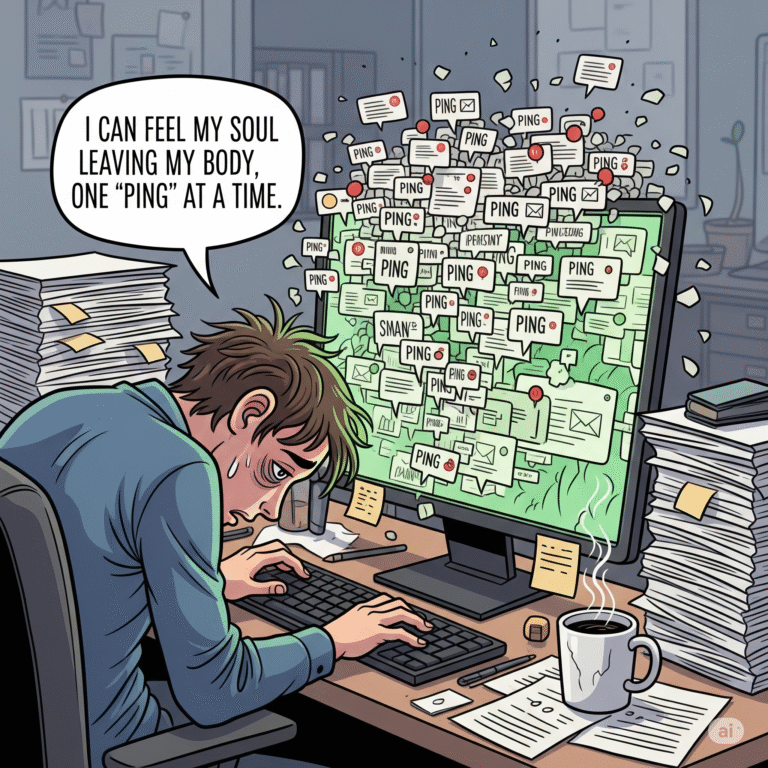
When you're managing invisible disabilities, your brain is already working overtime. You're tracking symptoms, energy levels, medication schedules, therapy appointments, and somehow still trying to maintain work, relationships, and basic life tasks. Traditional calendar systems treat all appointments as equal: but you know better.
A doctor's appointment at 2 PM hits differently than a coffee date at 2 PM when you're managing chronic illness. The energy expenditure isn't the same. The recovery time varies. The mental preparation required is worlds apart.
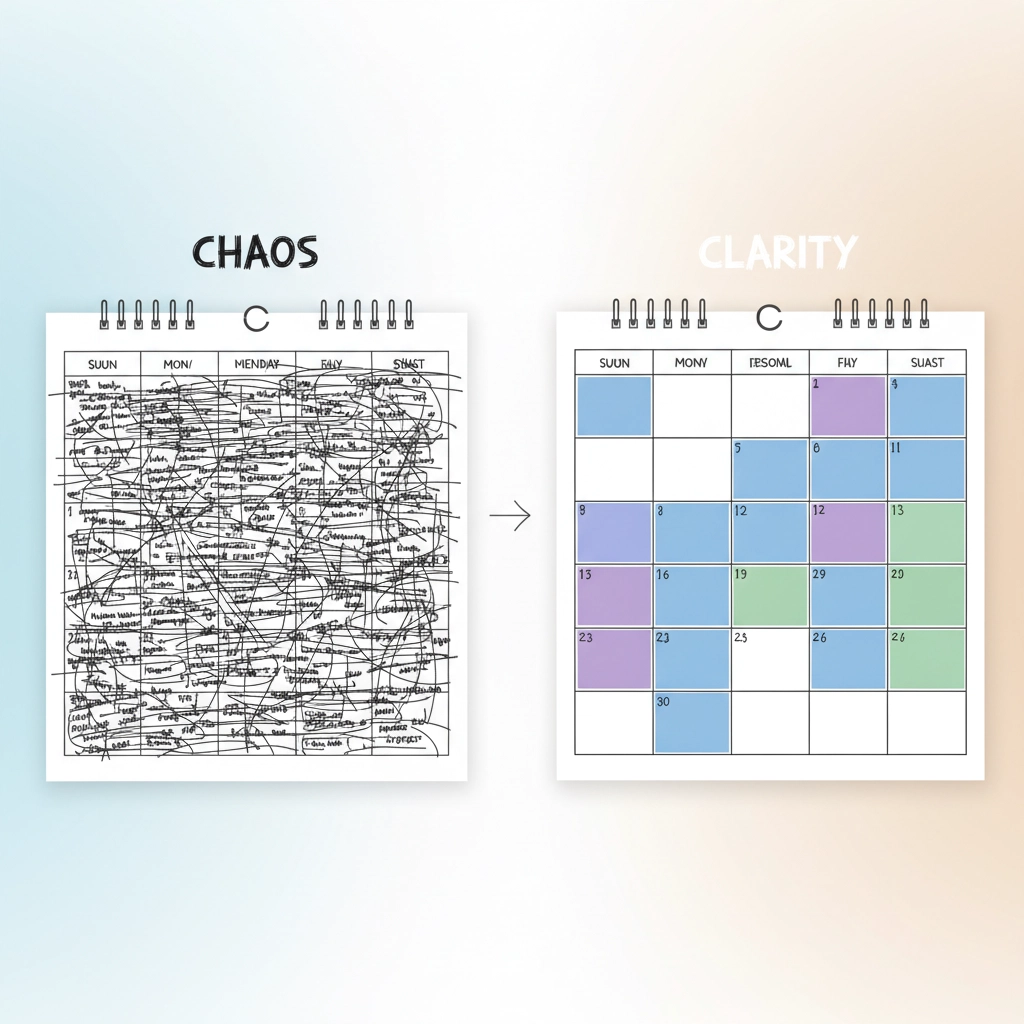
Visual organization through color coding creates an instant recognition system. Your brain can process colors faster than text, giving you split-second awareness of what your day actually demands. This isn't just convenience: it's cognitive relief.
The 5-Minute Setup That Changes Everything
The fastest approach to building your invisible disability management system involves creating separate calendars rather than manually color-coding individual events. This method ensures consistency and saves countless hours of micro-management.
Step 1: Access Your Calendar Settings (30 seconds)
Open Google Calendar on your desktop and locate "Other Calendars" in the left sidebar. Click "Create New Calendar" to begin building your first category.
Step 2: Create Your Core Management Calendars (2 minutes)
Set up these essential calendars for comprehensive invisible disability management:
• Medical & Treatment (Deep Red): Doctor appointments, therapy sessions, medical procedures, lab work
• Medication & Self-Care (Calming Blue): Medication reminders, self-care blocks, recovery time
• Energy Management (Vibrant Green): High-energy activities, important meetings, demanding tasks
• Symptom Tracking (Warm Orange): Flare-up days, symptom monitoring, rest periods
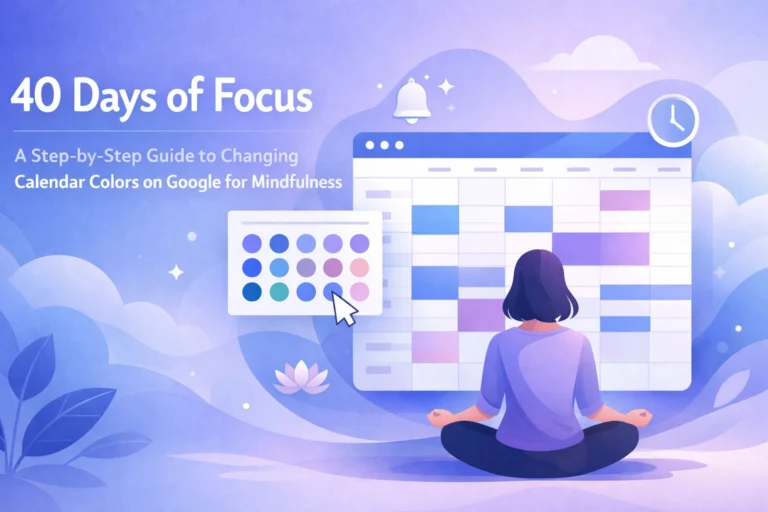
Name each calendar clearly, then click the three-dot menu next to the calendar name to select colors. You can choose from the standard palette or click the "+" icon to enter custom hex codes for more personalized visual organization.
Step 3: Set Visibility and Notifications (1 minute)
Configure each calendar's notification settings based on your needs. Medical appointments might need 24-hour reminders, while self-care blocks might only need 15-minute alerts.
Step 4: Test Your System (1.5 minutes)
Create one test event in each calendar to verify colors appear correctly and notifications function as intended.
Strategic Color Psychology for Invisible Disabilities
The colors you choose aren't just aesthetic decisions: they're functional tools that can either support or sabotage your invisible disability management. Research shows that color psychology directly impacts mood, energy, and decision-making, making your choices crucial for long-term success.
Red for Medical Urgency: Deep red signals importance and urgency without being overwhelming. This color naturally draws attention, making medical appointments impossible to miss while maintaining the seriousness these commitments deserve.
Blue for Restoration: Calming blues reduce stress and promote healing. Using blue for medication reminders and self-care activities creates positive associations with these essential practices.
Green for Energy Optimization: Green represents growth and vitality. Assigning this color to high-energy activities helps you identify optimal timing for demanding tasks while honoring your natural energy patterns.
Orange for Awareness: Warm orange promotes mindfulness without anxiety. This color works perfectly for symptom tracking and flare-up management, encouraging awareness without creating negative associations.
Why does this matter? Because every time you open your calendar, these colors are communicating with your subconscious, either supporting your wellbeing or adding to your cognitive load.
Advanced Strategies for Sustainable Systems
Creating your color-coded calendar system is just the beginning. The real transformation happens when you develop sophisticated strategies that evolve with your needs.
Energy Forecasting Through Visual Patterns
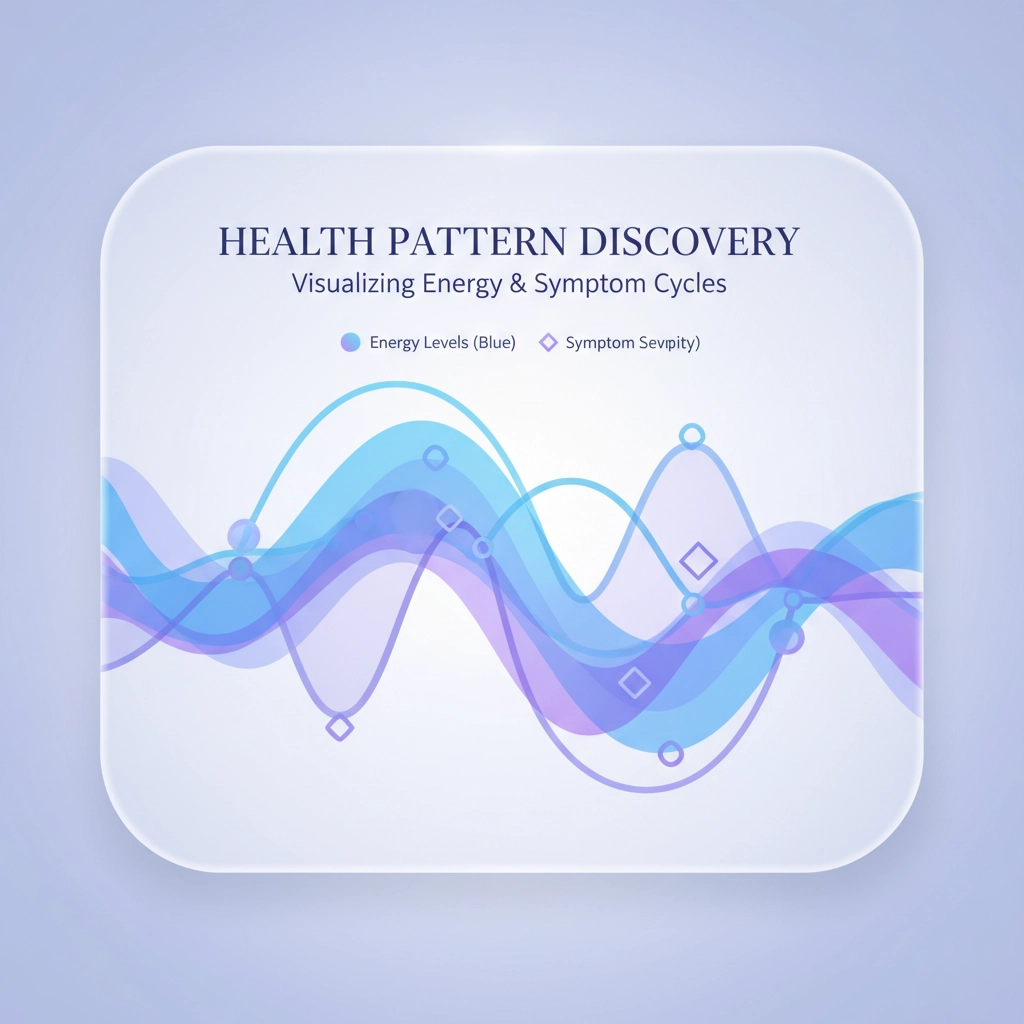
After using your system for several weeks, patterns emerge that become invaluable for future planning. You'll notice that certain color combinations predict energy crashes, or that spacing medical appointments (red) with adequate recovery time (blue) dramatically improves your wellbeing.
This visual organization becomes a form of data collection that most medical professionals never see. You're creating a comprehensive record of your invisible disability patterns that can inform treatment decisions and workplace accommodation requests.

Seasonal Adjustments and Flexibility
Your invisible disability management needs change seasonally, monthly, and sometimes daily. Build flexibility into your system by creating temporary calendars for specific situations:
• Flare-Up Protocol (Deep Purple): A special calendar activated during symptom flares that automatically reschedules non-essential activities
• Recovery Intensive (Soft Yellow): Used during post-medical procedure recovery or mental health intensive periods
• Accommodation Requests (Bold Pink): Tracking workplace or academic accommodations, their effectiveness, and renewal dates
Real-World Application: Sarah's ADHD and Chronic Pain Journey
Sarah, a graphic designer with ADHD and fibromyalgia, transformed her work-life balance using this exact color-coded calendar system. Before implementation, she constantly overcommitted during good days and crashed during flare-ups, creating a cycle of guilt and exhaustion.
Her visual organization system revealed that medical appointments (red) required full recovery days (blue) afterward, not just the appointment slot itself. She discovered that clustering green (high-energy) activities on Tuesdays and Thursdays aligned with her natural rhythm, while protecting Mondays and Fridays for orange (symptom management) activities.
Within three months, Sarah's system enabled her to negotiate remote work arrangements with concrete data about her productivity patterns. Her invisible disability management became visible proof of her professional value and accommodation needs.
Integration with Existing Productivity Systems
The question is, how can your color-coded calendar system work alongside existing productivity tools without creating additional overwhelm? The answer lies in strategic integration rather than system multiplication.
Smartphone Synchronization
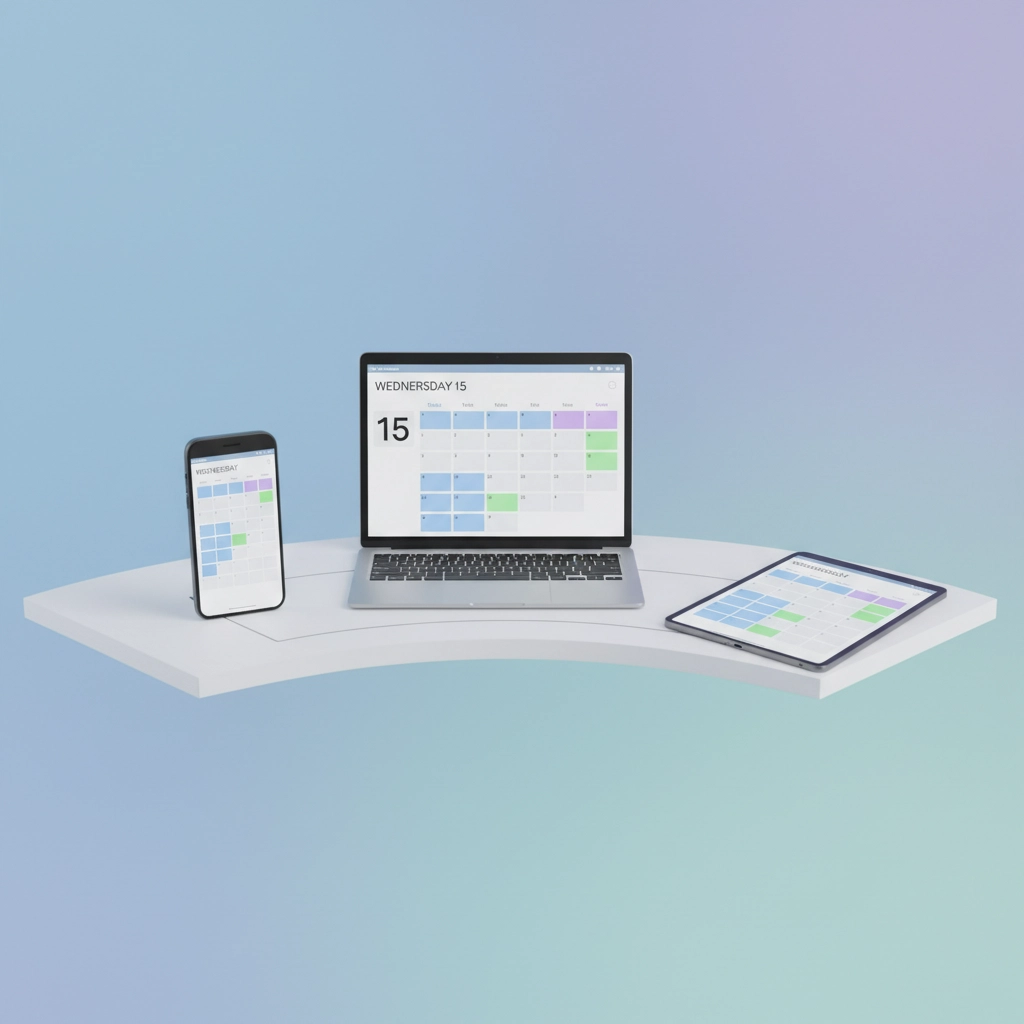
Your Google Calendar automatically syncs across devices, making your visual organization system accessible everywhere. The mobile app displays colors clearly, giving you instant insight into daily demands while maintaining privacy: colors are meaningful to you but appear neutral to others.
Task Management Harmony
Rather than duplicating your calendar system in task management apps, use calendar colors to inform task prioritization. Green calendar days become ideal for tackling complex projects, while orange days focus on maintenance tasks and symptom management.
Measuring Success Beyond Productivity
Traditional productivity metrics fail people with invisible disabilities because they ignore the invisible work of managing health, energy, and symptoms. Your color-coded calendar system creates new success metrics that actually matter.
Success looks like recognizing patterns before they become problems. It's scheduling important conversations during green periods and honoring orange warning signs. It's having concrete data for medical appointments and accommodation discussions.
The beautiful truth about invisible disability management through visual organization is that it makes the invisible visible: not to broadcast your struggles, but to honor your reality and optimize your potential.
Your five-minute investment in creating this system isn't just about calendar management. It's about claiming agency over your time, energy, and wellbeing in a world that rarely acknowledges the complexity of invisible disability navigation.
The power lies in the visual recognition that your needs are legitimate, your patterns are valuable data, and your invisible disability management deserves sophisticated, personalized systems. Your calendar becomes a daily affirmation that your wellbeing matters, your energy is precious, and your success is defined by sustainability rather than superhuman endurance.
Start those five minutes now. Your future self: the one with clearer boundaries, better energy management, and stronger advocacy skills( is waiting for you to begin.)