The world has shifted, and the pace of information is no longer a steady stream: it’s a relentless firehose. For those of us navigating life with invisible disabilities like ADHD, dyslexia, or executive dysfunction, that firehose doesn't just wet the floor; it washes away our most brilliant sparks before they ever have a chance to ignite. Have you ever had a million-dollar idea while driving, only to have it vanish by the time you parked the car? Or perhaps you’ve experienced that sinking feeling of knowing you had a solution to a problem yesterday, but the "file" in your brain has been corrupted or deleted?
The question is, how can we bridge the gap between our fast-moving minds and our often-unreliable recall? For years, we’ve been told to just "carry a notebook" or "set a reminder." But for a neurodivergent brain, a notebook is just another thing to lose, and a reminder is just another notification to ignore. This is where AI productivity tools enter the chat, promising to act as an external hard drive for our fleeting thoughts. But can they actually help you stop forgetting ideas, or are they just more digital noise?
The Invisible Struggle: When Your Brain is a Sieve
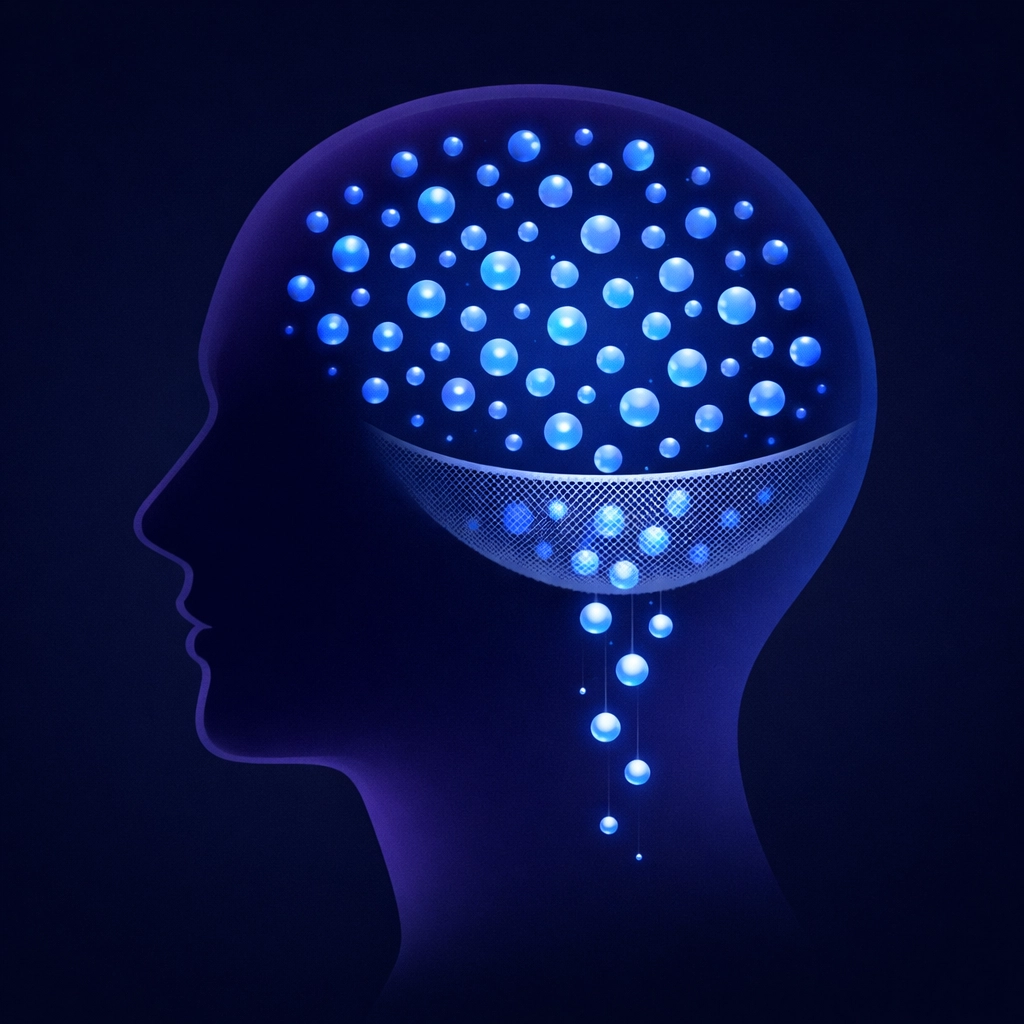
Living with invisible disabilities and technology is a double-edged sword. On one hand, we have more tools than ever. On the other, the very devices meant to help us: our smartphones: are often the primary source of our distraction. When an idea strikes, the act of unlocking a phone, navigating past three social media notifications, and opening a notes app is often enough to make the original thought evaporate.
It’s a phenomenon many call the "mental sieve." You aren't lacking intelligence; you’re lacking a reliable capture mechanism. Traditional institutions often pat themselves on the back for offering "accommodations" that consist of nothing more than extra time on a test or a color-coded planner. But these don't address the core issue: the friction between thought and capture. Why are we still expected to adapt to rigid, linear systems when our brains are built for web-like, associative thinking?
How AI Productivity Tools Are Changing the Game
Modern AI isn't just about writing essays or generating art; it’s about active retrieval and connection. Unlike a static list of notes, AI-powered systems can understand the context of what you’re saying.
Here is how these tools are helping people stop forgetting ideas:
- Semantic Search: Instead of remembering the exact title of a note, you can ask an AI tool, "What was that idea I had about the garden project last Tuesday?" and it will find it based on meaning, not just keywords.
- Automatic Synthesis: AI can take a rambling voice memo and turn it into a structured outline. This is a game-changer for those who struggle with executive function and organization.
- Spaced Repetition: Some tools use algorithms to resurface your old ideas at strategic intervals, ensuring they stay in your long-term memory rather than gathering digital dust.
- Knowledge Graphs: Instead of folders, AI creates webs. It shows you how an idea you had today connects to something you thought about three months ago.
These features aren't just "neat"; they are lifelines. They allow individuals with invisible disabilities to operate at their full potential by removing the "tax" of manual organization.
The Screenless Revolution: Introducing HeyPocket
However, there is a catch. Most AI productivity tools live on your phone or laptop. For many of us, the screen is the enemy. It is a portal to distraction. This is why the latest trend in assistive tech is moving away from the screen and toward specialized hardware.
Enter HeyPocket.
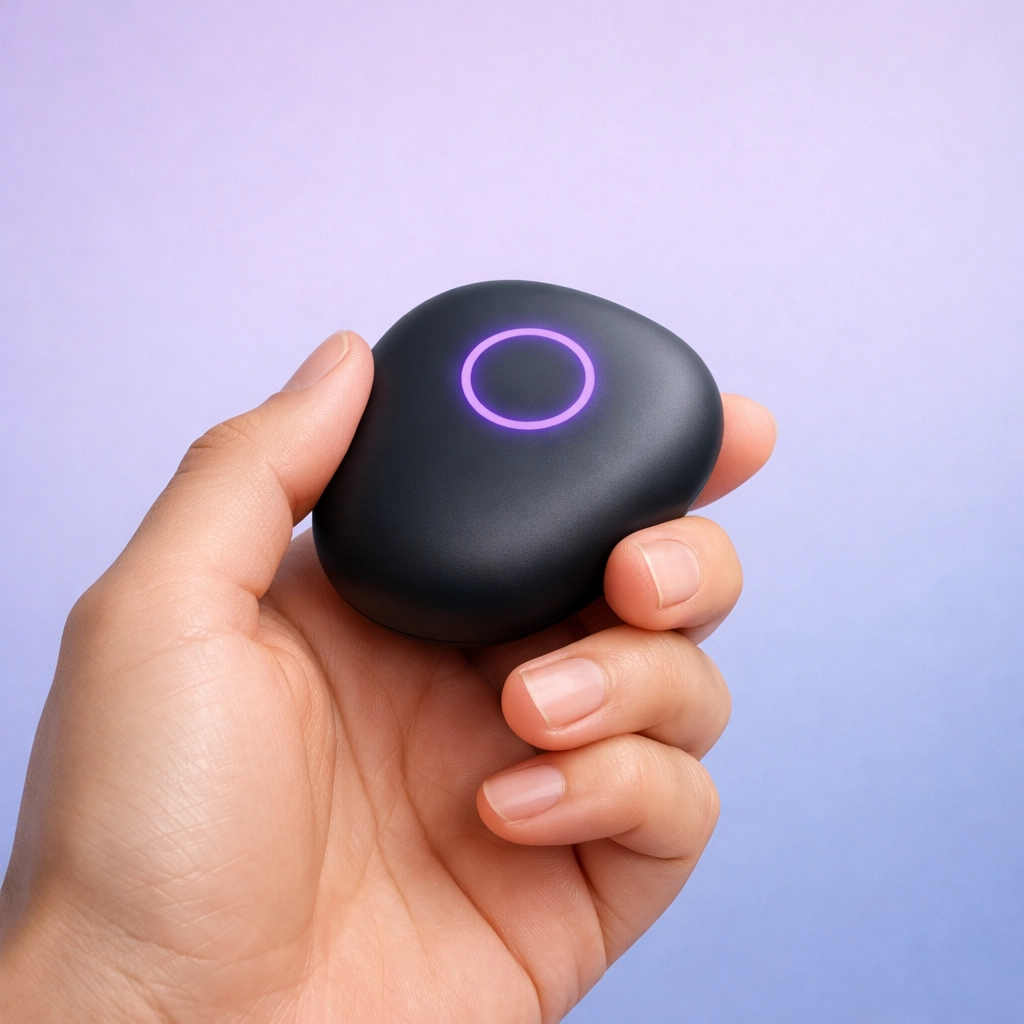
In our HeyPocket review, we’ve found that the biggest hurdle to "stopping the leak" of ideas is the friction of the interface. HeyPocket is a screenless AI tool designed specifically to capture your thoughts the moment they happen, without the temptation of TikTok or the blue light of a screen.
You can check it out here: https://heypocket.com/10867670
By using a dedicated, screenless device, you are telling your brain that this is a "safe space" for ideas. There are no notifications to hijack your focus. You speak, it listens, and the AI handles the heavy lifting of transcribing, categorizing, and reminding you later. It’s an elegant solution to a messy problem. It transforms the act of "remembering" from a stressful chore into a seamless background process.

Why Institutions Fail (And How We Can Fix It)
We need to have a serious conversation about how we view productivity in the workplace and in schools. For too long, "productivity" has been synonymous with "neatness" and "conformity." If you don't have a tidy desk or a perfectly manicured calendar, you’re seen as disorganized.
But what if we redefined productivity as the ability to bring unique ideas to life? If a worker uses AI productivity tools to manage their executive dysfunction, they aren't "cheating": they are optimizing. We need to challenge the institutional bias that views assistive technology as a crutch. It’s not a crutch; it’s an exoskeleton.
By embracing tools like HeyPocket, we are choosing to stop apologizing for how our brains work and start building environments that support them. This is the heart of invisible disabilities and technology: it’s about empowerment, not just "fixing" a perceived deficit.
Actionable Steps to Stop Forgetting Your Best Ideas
If you’re ready to stop the mental leak, you don’t need a total life overhaul. You just need better systems. Here is how you can start using AI productivity tools today:
- Reduce Friction to Zero: Use a dedicated device or a one-button voice recorder. If it takes more than two seconds to start recording an idea, you’ve already lost.
- Centralize Your "Brain Dump": Stop putting notes in five different apps. Pick one AI-powered hub where everything lives.
- Review, Don't Just Record: Set aside ten minutes a week to let your AI tool summarize what you captured. This reinforces the memory and helps you see patterns.
- Leverage Voice-to-Text: For many with ADHD or dyslexia, the "blank page" is terrifying. Talking to an AI feels like a conversation, which lowers the barrier to entry.
- Trust the System: The more you use these tools, the more they learn your patterns. Give yourself permission to offload the "storage" part of your brain so you can use the "processing" part for creativity.
A Future Without "Forgotten"
Imagine a world where your neurodivergence is no longer a barrier to your professional or personal success. A world where your "distractibility" is actually seen as "high-speed associative thinking," and you have the tools to capture every single lightning bolt that strikes your mind.
The technology is finally catching up to the way we think. We are moving toward a future where "forgetting" is optional. Whether it’s through sophisticated software or screenless hardware like HeyPocket, the goal remains the same: to ensure that no brilliant idea is ever left behind in the fog of a busy day.
We are at a turning point. We can continue to struggle with systems built for a different kind of brain, or we can embrace the disruptive power of AI to level the playing field. At Dr. Disruptor, we believe in the latter. We believe that when you empower someone with an invisible disability with the right technology, they don't just "keep up": they lead.
What could you achieve if you never forgot a great idea again? The answer is probably more than you’ve ever dared to imagine. It’s time to stop fighting your brain and start fueling it.
Explore more about our mission and our journey into the world of empowerment and tech at Dr. Disruptors. The future of productivity isn't about working harder; it's about thinking smarter and capturing every spark.