The world has shifted, and the ground beneath the old structures of advocacy is moving faster than most institutions can keep up with. For decades, disability advocacy was a slow-moving machine, often gatekept by medical professionals, large-scale nonprofits, and policy-makers who viewed accessibility as a checklist or, worse, a charitable favor.
But there is a new reality taking hold. From the screens in our pockets to the AI algorithms in our browsers, digital platforms are fundamentally flipping the script on how we define inclusion. We are moving away from a world where we ask for permission to participate and toward a world where we demand the tools to belong. At Dr. Disruptor, we believe one truth stands above all: Access is not a favor. Access is dignity.
The Power of the Numbers
To understand why this digital revolution is so critical, we have to look at the sheer scale of the community. Globally, over 1.3 billion people live with some form of disability. In the United States alone, 1 in 4 adults: roughly 61 million people: navigates life with a disability.
Despite these massive numbers, the physical world remains riddled with barriers. Whether it’s a stadium without sensory rooms or a school without proper accommodations, the message sent to the disabled community is often: "You weren't considered." Digital platforms are changing that message. They provide a space where the 1.3 billion can find each other, organize, and refuse to be ignored. When a billion people start sharing their stories directly, the old gatekeepers lose their power to control the narrative.

From Gatekeeping to Direct Storytelling
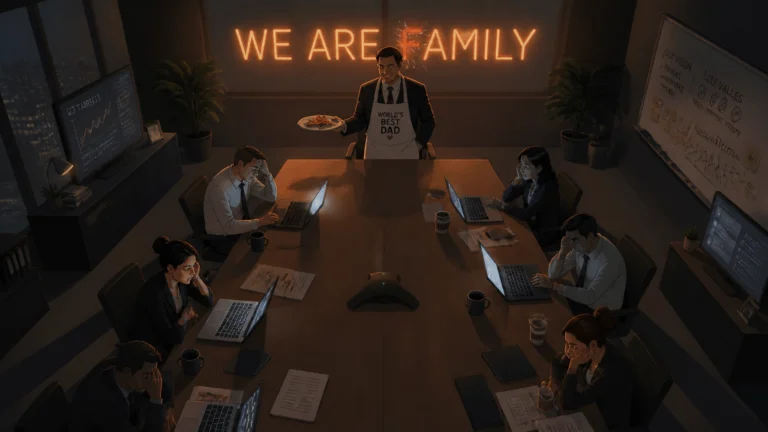
Historically, if you wanted to advocate for disability rights, you had to go through "official" channels. You needed a doctor to validate your experience, a nonprofit to fund your message, or a news outlet to decide your story was "inspirational" enough to print. This institutional gatekeeping often sanitized the reality of disability, focusing on "triumph over tragedy" rather than the systemic barriers that cause the struggle in the first place.
Digital platforms have dismantled these gates. Today, a person can open TikTok, Instagram, or a personal blog and share the raw, unedited reality of their life. This shift to direct storytelling is a revolutionary act. It allows for a diversity of voices: especially from those with intersecting identities: to lead the conversation. We aren't waiting for a seat at the table anymore; we’re building our own digital tables and inviting the world to listen.
The Invisible Experience: Being Believed
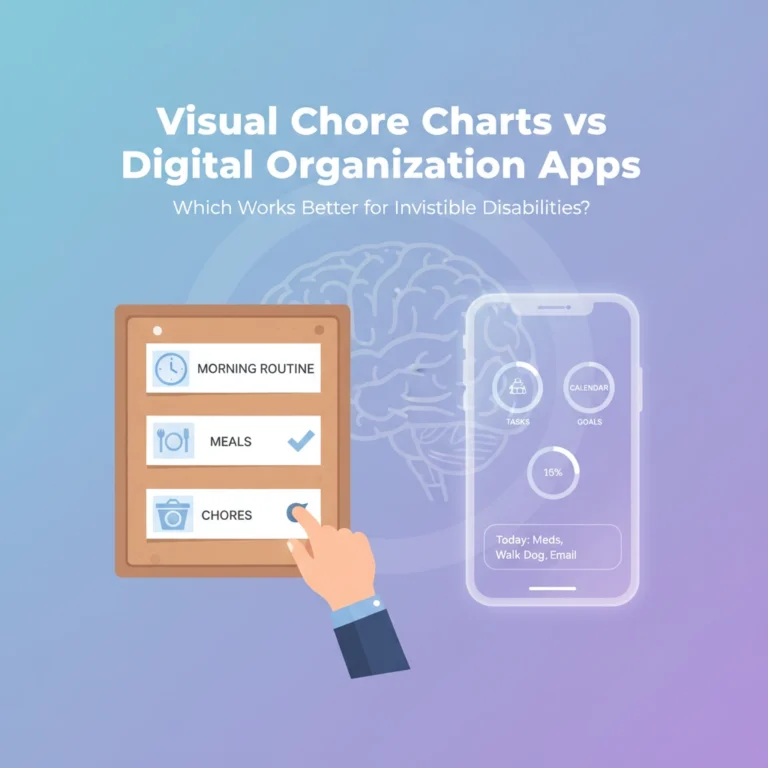
For those living with invisible disabilities: chronic pain, neurodivergence, autoimmune disorders: the digital space has been a literal lifesaver. One of the greatest hurdles of an invisible disability is the exhaustion of constantly proving you are "disabled enough" to deserve accommodation.
Online communities have provided the language of self-advocacy. When you see someone else describe the exact type of "brain fog" or "sensory overload" you experience, it validates your reality. It moves the needle from "Am I making this up?" to "This is a recognized experience, and I have a right to support." Digital platforms offer a space where being believed is the baseline, not a hurdle to clear. This shared language is what we champion through our work at Dr. Disruptor, ensuring that every individual feels empowered to own their narrative.
Social Media as a Civil Rights Tool
If the 1960s civil rights movement was televised, the modern disability rights movement is being live-streamed. Social media has become a potent civil rights tool where lived experience is treated as evidence.
When a person films themselves being denied entry to a venue because of a service animal, or highlights the lack of ramps at a "fully accessible" park, that video can go viral in hours. This immediate visibility creates a level of accountability that traditional advocacy never could. It forces brands and institutions to realize that a lack of access isn't just a "minor inconvenience": it’s a public relations disaster and a human rights violation.
Through digital community building, we’ve seen hashtags like #CripTheVote or #NothingAboutUsWithoutUs turn into genuine political pressure. These platforms allow us to build a "digital village" that transcends geographic borders, proving that while our disabilities may vary, our demand for dignity is universal.

Blogs: The Searchable Support System
While social media provides the spark, blogs provide the depth. A blog post is more than just a momentary update; it is a searchable, permanent resource. When a parent of a newly diagnosed child searches for "how to navigate an IEP" or "inclusive play," they aren't looking for a 15-second clip: they are looking for a roadmap.
Blogs act as an archive of lived wisdom. They offer deep dives into topics that mainstream media often ignores. At Dr. Disruptor, we use our platform to provide that depth, bridging the gap between "awareness" and "actionable support." Whether it’s discussing hidden disabilities or the nuances of inclusive design, our goal is to create a library of empowerment that is always accessible to those who need it most.
AI as a 'Cognitive Ramp'
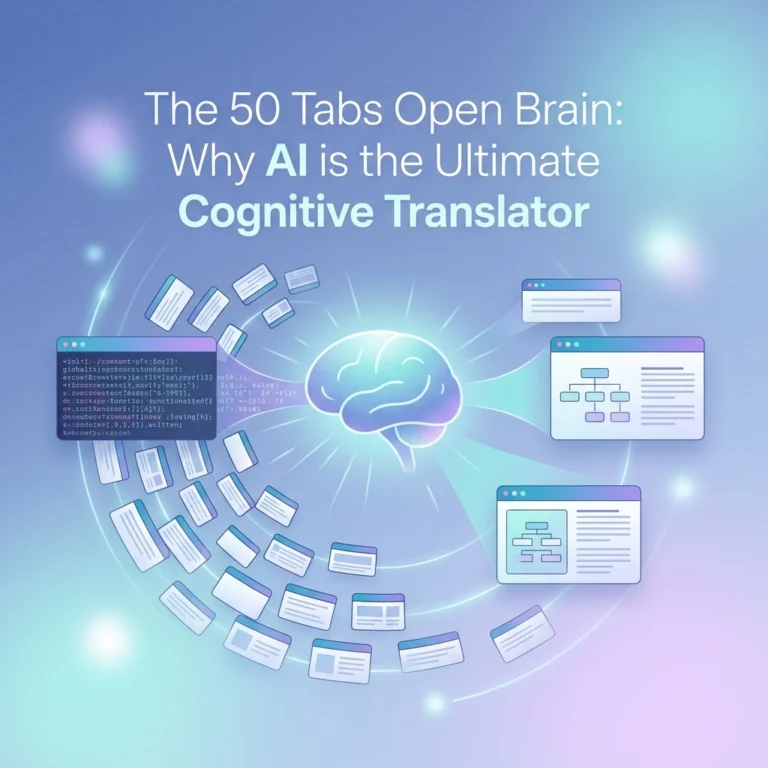
One of the most exciting developments in digital advocacy is the rise of Artificial Intelligence. We often talk about physical ramps for wheelchairs, but AI is serving as a cognitive ramp for many in our community.
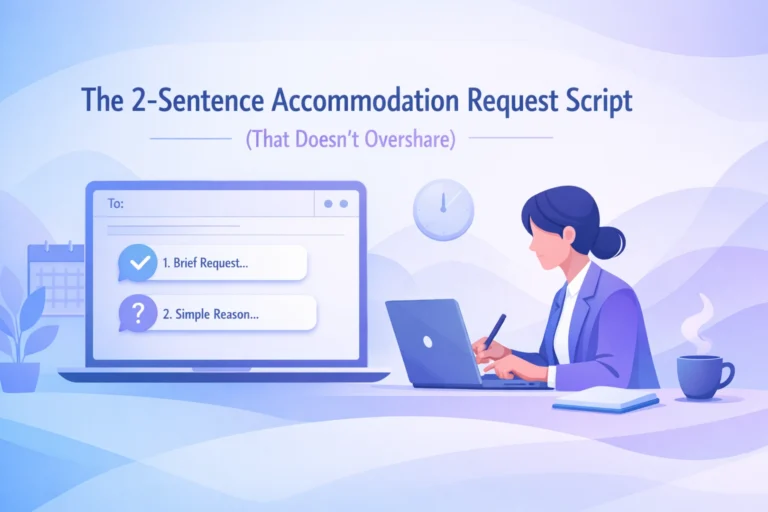
Starting a conversation, writing an email to an employer about accommodations, or summarizing a complex legal document can be incredibly taxing for those with executive dysfunction, dyslexia, or chronic fatigue. AI tools can reduce the "activation energy" required to advocate for oneself. They act as a supportive partner, helping to draft the words when the brain is too tired to find them. This isn't about "replacing" human voice; it's about providing the tools that make the human voice easier to project.
The Reality of Digital Inequality
However, we must be careful not to pat ourselves on the back too soon. While digital platforms offer incredible potential, they can also become new sites of exclusion. If a website isn't compatible with screen readers, if videos don't have captions, or if images lack alt-text, we are simply rebuilding the same old barriers in a new format.
Universal design is not an "add-on": it is a necessity. Only about 2% of the world’s top websites are currently fully accessible. This is a staggering failure of imagination and ethics. Digital inequality is a direct threat to the progress of the disability rights movement. We must demand that developers and tech giants treat accessibility as a core feature, not a "nice-to-have" update. Because, as we always say, Access is dignity.
"https://cdn.marblism.com/qV9J-tK81q_.jpg": universal-design-graduation-bridge-accessible-campus.jpg
The Dr. Disruptor Ecosystem: Driving Real-World Change
At Dr. Disruptor, we don't just talk about the digital shift; we live it through our diverse ecosystem of projects. We understand that advocacy needs to reach people where they are: whether that’s in the nursery, the classroom, or the stadium.
- XTERMIGATOR Kids: We are reimagining how children interact with the concept of "disrupting" barriers, teaching them from a young age that advocacy is a superpower.
- Friendly Ferns Publishing: Our publishing arm focuses on stories that represent the true diversity of the human experience, ensuring that every child can see themselves as the hero of the story.
- Inclusive Game Day: We are taking digital advocacy into the real world of sports and entertainment, working to ensure that stadiums and event spaces are truly welcoming for everyone.
These initiatives are all connected by a single thread: the belief that when we design for the edges, we make things better for everyone.
The Hybrid Future: From Screens to Boardrooms
The ultimate goal of digital advocacy isn't just to stay online: it’s to drive change in real-world boardrooms, schools, and stadiums. We are entering a "Hybrid Future" where the momentum built on social media and blogs directly influences policy and physical architecture.
We are seeing CEOs change hiring practices because of LinkedIn advocacy. We are seeing architects design "Quiet Rooms" in airports because of viral petitions. The digital world has given us the megaphone; now, we are using it to rebuild the physical world.
The question is no longer if things will change, but how fast. Will institutions continue to drag their feet, or will they realize that inclusion is the only path forward? We challenge every leader to look at their digital and physical footprints and ask: "Is this built for everyone, or just for the people who look and move like me?"
Access is Not a Favor
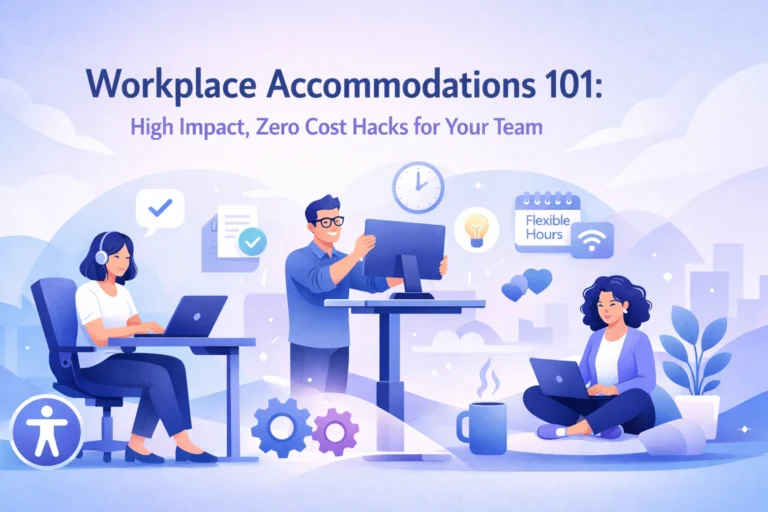
We often hear companies and schools talk about their "accommodation programs" as if they are doing the disabled community a massive favor. They aren't. Providing a ramp, a caption, or a flexible work schedule is simply the cost of doing business in a civil society.
When we deny access, we deny dignity. We tell a person that their time, their talent, and their presence are less valuable than the effort it takes to be inclusive. But the script is flipping. The 1.3 billion are connected, they are vocal, and they are tech-savvy.
The digital revolution has proven that when barriers are removed, the potential of the human spirit is limitless. At Dr. Disruptor, we will continue to push, shout, and innovate until every barrier: digital or physical: is a thing of the past.
Remember: Access is not a favor. Access is dignity. Let’s build a world that reflects that truth.