The world has shifted. For decades, we’ve looked at accessibility as a "nice-to-have" or a checklist item to satisfy a legal requirement. But as we approach the milestone of UF Graduation 2026, a new philosophy is taking center stage: Universal Design.
When we talk about accessibility, we often think of ramps and elevators. But there is a deeper, more powerful phenomenon at play known as the Curb Cut Effect. It’s the idea that when we design for the margins: specifically for people with disabilities: the benefits ripple out to everyone. Think about those sloped "curb cuts" on street corners. They were originally designed for wheelchair users, but who uses them today? Parents with strollers, travelers with rolling luggage, and students on skateboards.
By prioritizing the needs of the 30% of our population living with invisible disabilities, we aren’t just helping a "special" group; we are making the world better for every single person. As I prepare for my own graduation at the University of Florida, I realized that the current systems often fail to account for the neurodivergent, the sensory-sensitive, and the chronically ill. That’s why I created the Graduation Weekend Access Guide, a student-created resource designed to transform the graduation experience through the lens of Universal Design.
CRITICAL NOTE: This app and guide are independent student-created resources by Eric Fishon (Dr. Disruptor). This is NOT an official University of Florida product or publication.
Why Big Events Like Graduation Often Fail the 30%
Graduation is a "double-edged sword." On one hand, it’s the culmination of years of hard work, grit, and late-night study sessions at Marston Library. On the other hand, it’s a logistical nightmare characterized by sensory overload, massive crowds, and navigating complex physical environments.
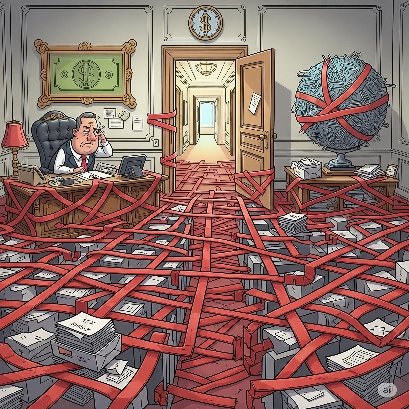
For many, the excitement of UF Graduation 2026 is overshadowed by a looming sense of anxiety. We often see institutions "pat themselves on the back" for meeting basic ADA compliance, yet they fail to address the nuance of the human experience. Why? Because compliance is the floor, not the ceiling.
Consider these common failures during major university events:
- The "Invisible" Barrier: A student with an accessibility app might find a ramp, but a student with Crohn’s disease or POTS might not find the nearest seating area or a low-stress exit route.
- Sensory Storms: The roar of "We Are the Boys," the booming speakers, and the heat of the Florida sun create a sensory environment that can lead to meltdowns or shut-downs for neurodivergent graduates.
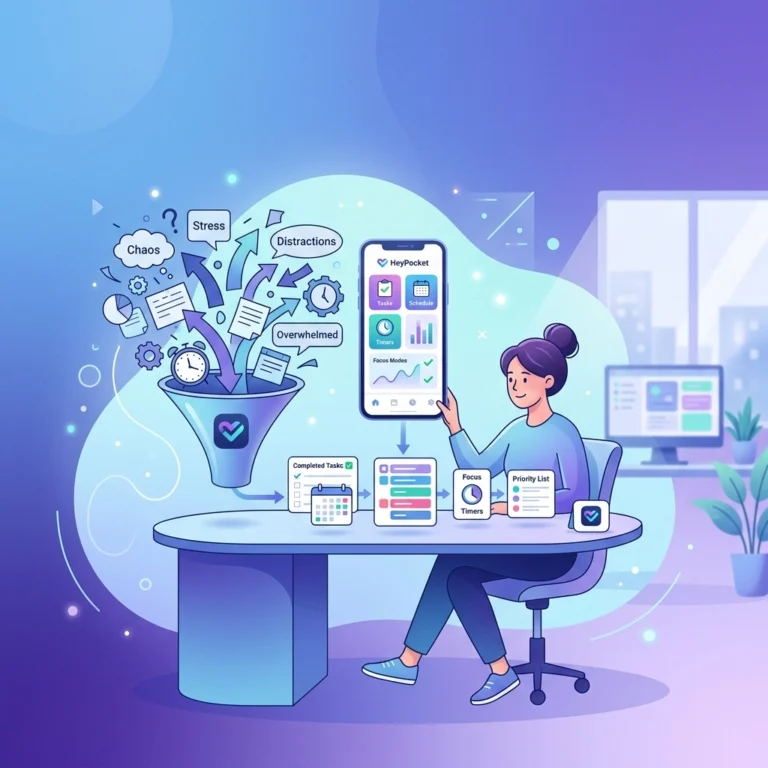
- Information Fragmentation: When event details are buried in PDFs or scattered across twenty different web pages, it creates a cognitive load that acts as a barrier for those with ADHD or executive dysfunction.
The question is, how can we achieve true inclusion in a space designed for the masses? The answer lies in the Curb Cut Effect.

Case Study: The UF Graduation 2026 Access Guide
As the owner of Dr. Disruptor and a fellow Gator, I didn’t want to just complain about the gaps: I wanted to bridge them. I applied the principles of Universal Design to create a tool that serves as a "lifeline" for the Class of 2026.
The UF Graduation 2026 Access Guide was born out of a simple realization: if I’m struggling to plan my graduation weekend due to my own needs, there are thousands of others in the same boat. This case study in Universal Design shows that when information is accessible, the entire community thrives.
By focusing on invisible disabilities, we create a more intuitive experience for everyone. A grandparent who is hard of hearing benefits from the same clear signage that an autistic student uses. A sister with a newborn benefits from the sensory-friendly zones just as much as someone with anxiety. This is the Curb Cut Effect in action.
Transforming the Experience: Key Features of the App
This isn’t just a map; it’s a strategic tool designed to reduce "friction" during one of the most important weekends of your life. The Graduation Weekend Access Guide focuses on the "unspoken" needs of graduates and their families.
1. Interactive Accessibility Maps
Traditional maps show you where the buildings are. Our interactive maps show you how to get through them. We’ve highlighted accessible paths that avoid heavy foot traffic, identified elevators that are actually operational, and pinpointed the best drop-off zones for those with mobility issues.
2. Designated Sensory Zones
The "Swamp" is loud. That’s part of the magic, but it’s also a major barrier. The guide identifies "Quiet Zones" and "Sensory-Relief Areas" near the major ceremony venues. These are spots where a graduate or family member can step away from the noise to decompress without missing the spirit of the day.
3. Logistical "Lifelines"
From real-time updates on crowd density to clear instructions on where to find "hidden" accessible restrooms, the app provides information that usually takes years of "campus intuition" to acquire. We’ve done the legwork so you don’t have to.
4. Focus on Invisible Disabilities
Most event guides ignore things like lighting, noise levels, and seating proximity to exits. Our guide explicitly calls these out, ensuring that those with invisible disabilities feel seen and supported.

Challenging the Status Quo
It is time to challenge our institutions to move beyond "accommodation" and toward "Universal Design." Accommodation is reactive: it requires the individual to ask for help, often disclosing private medical information in the process. Universal Design is proactive. It assumes diversity from the start.
When we build an accessibility app like this, we are making a statement: Inclusion is not an afterthought.
While the University of Florida provides essential services, student-led initiatives often have the flexibility to address the granular, "lived experience" problems that large bureaucracies miss. This guide is a testament to the power of self-advocacy and community support. It’s about Gators looking out for Gators.
How You Can Make a Difference
The Curb Cut Effect only works if we commit to the change. Whether you are a student, a family member, or an administrator, you have a role to play in making UF Graduation 2026 the most inclusive ceremony in our history.
- Use the App: If you’re graduating or attending, explore the guide here. See how much easier your planning becomes when Universal Design is the foundation.
- Share the Resource: Help us reach the 30%. Send this link to your friend groups, your family, and your fellow graduates. You never know who is quietly struggling with an invisible disability.
- Support the Movement: Join the conversation on social media. Follow Dr. Disruptor on X/Twitter and share your stories of how accessibility (or the lack thereof) has impacted your university experience.
- Advocate for IDA: Support organizations like the International Disability Alliance (IDA) that work globally to ensure the rights and inclusion of people with disabilities.

Looking Forward: A New Standard for Commencement
As the Class of 2026, we are entering a world that is more connected, yet more aware of our individual differences than ever before. We shouldn't have to choose between celebrating our achievements and protecting our well-being.
By embracing the Curb Cut Effect, we aren't just solving a "graduation problem." We are setting a new standard for how large-scale events should function in a modern society. We are proving that when you design for the most vulnerable, you create a superior experience for the most powerful.
Let’s walk across that stage knowing that the path was cleared for everyone. Let’s make UF Graduation 2026 a benchmark for empathy, innovation, and true Gator excellence.
Go Gators!
For more information on disability empowerment and how to "disrupt" the status quo of accessibility, visit DrDisruptors.com.