The world has shifted, and for those of us navigating life with invisible disabilities, it feels like the speed limit was doubled while we were still trying to find our car keys.
Whether it’s the constant static of ADHD, the paralyzing "what-ifs" of anxiety, or the heavy fog of chronic fatigue, the mental load we carry is real, even if nobody else can see it. We are constantly performing a high-wire act, trying to stay productive in a society built for neurotypical brains while managing a cognitive "tax" that drains our batteries before lunch.
The question is, how can we keep up without burning out?
Traditionally, we’ve been told to use technology to bridge the gap. But here’s the irony: the very AI productivity tools designed to help us often become the source of our greatest distractions. We open our phones to set a reminder, only to get sucked into a vortex of notifications, emails, and news alerts. For a brain that struggles with executive function, a smartphone isn't just a tool; it’s a digital minefield.
At Dr. Disruptor, we believe in empowerment through innovation. We don't just want you to survive the day; we want you to disrupt the status quo. That requires a "Second Brain", an external system that captures your thoughts and manages your tasks, but one that doesn't demand your attention with a glowing screen.
The Invisible Weight: Understanding the Cognitive Tax
When we talk about invisible disabilities and technology, we’re talking about more than just accessibility. We’re talking about energy management.
Think of your brain like a smartphone battery. Most people start the day at 100%. For those with ADHD or anxiety, simply waking up and organizing the morning routine might drop that battery to 60%. By the time we sit down to work, we’re already running on low power.
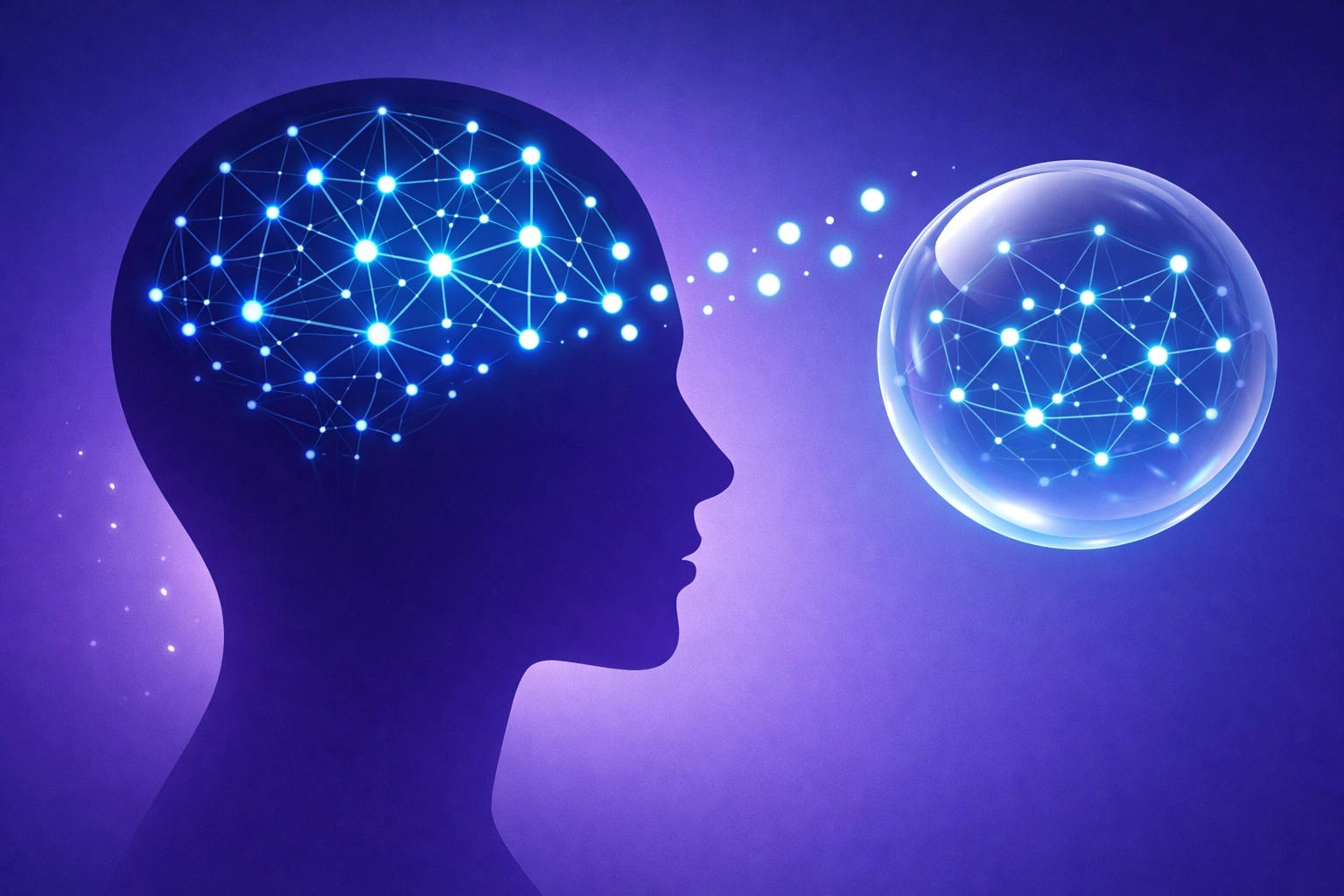
This is where the "Second Brain" concept comes in. Originally popularized by productivity experts like Tiago Forte, a Second Brain is an external system where you store ideas, tasks, and memories so your "First Brain" (the one in your skull) can focus on creativity and execution.
However, for us, a Second Brain that lives on a screen can be a double-edged sword. Every time we look at our screens to "offload" a thought, we risk being hijacked by the dopamine loops of social media. Why should the tools meant to free us be the ones that enslave our focus?
Why Institutions Are Failing the Neurodivergent Community
It’s time for a professional but direct challenge: many institutions, schools, workplaces, and tech giants, often pat themselves on the back for "inclusive" design when they’ve really only done the bare minimum.
They offer "quiet spaces" or "flexible hours," but then mandate the use of software that is a sensory nightmare. They expect individuals to manage their conditions through technology while simultaneously questioning the authority of our lived experiences. We are told to "be more organized," but the tools provided are built for people who don't have a problem with organization in the first place.
Why are we still forcing neurodivergent individuals to adapt to inaccessible digital environments? Instead of forcing the brain to fit the tool, shouldn't we be building tools that fit the brain?
The Solution: Screenless AI and the Power of Voice
This is where the revolution starts. To truly empower individuals with invisible disabilities, we need technology that acts as a silent partner, not a loud intruder. We need a way to capture our brilliance without falling down the rabbit hole of a 6.1-inch OLED display.
Enter HeyPocket.
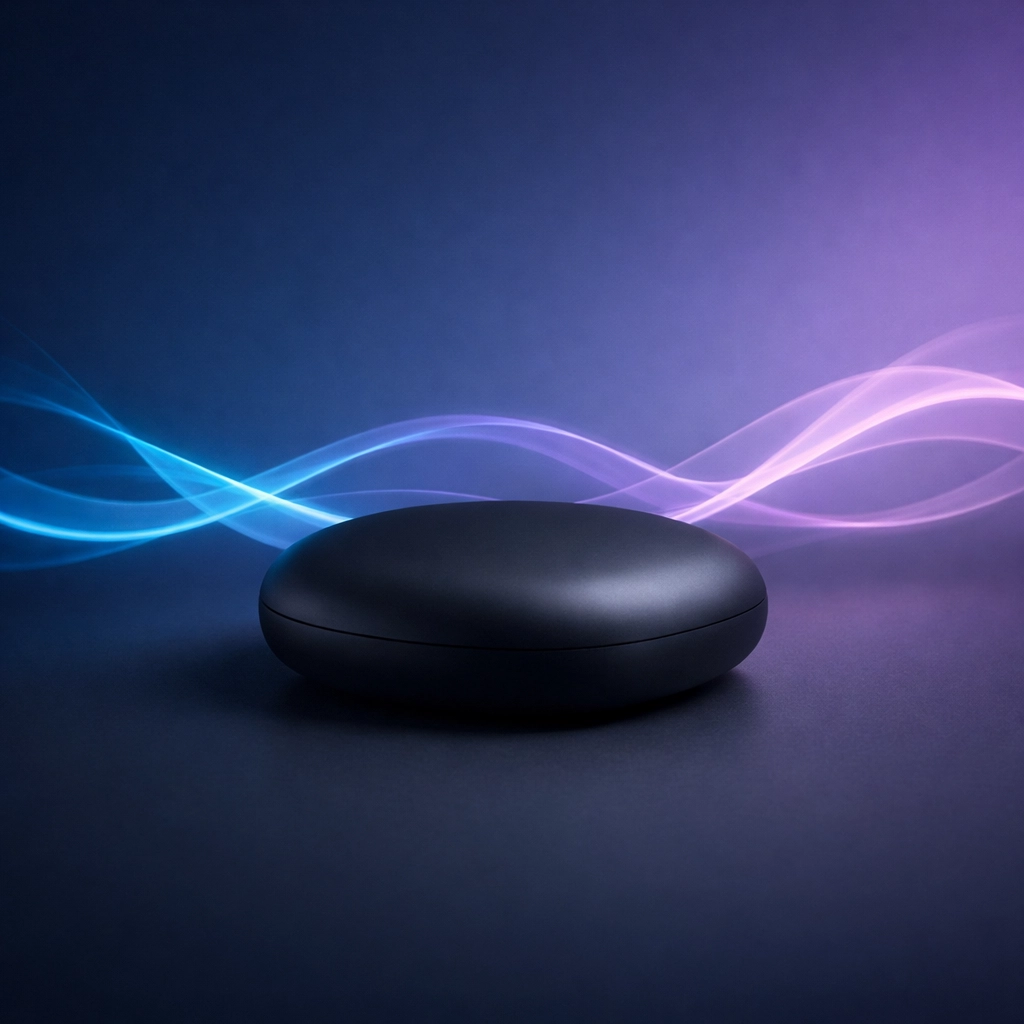
If you’ve been looking for an AI productivity tool that actually respects your focus, this is the game-changer. HeyPocket is a screenless AI tool designed to be your literal Second Brain in your pocket.
Why HeyPocket is Different:
- Zero Distractions: There is no screen. No notifications. No "infinite scroll." Just you and a voice-activated AI that captures your thoughts instantly.
- Instant Offloading: When an idea hits you, or a task you can’t forget, you speak it. The AI processes it, categorizes it, and stores it.
- Empowerment through Autonomy: It allows you to stay present in the physical world while your digital life stays organized in the background.
I’ve spent years looking for ways to bridge the gap between "I need to remember this" and "Oh look, a squirrel," and this is the first tool that feels like it was built for us. You can check it out and start building your distraction-free Second Brain here: https://heypocket.com/10867670.
How to Build a Distraction-Free Second Brain
Transitioning to a screenless workflow doesn't happen overnight. It’s about building a "lifeline" that you can trust. Here is how you can use invisible disabilities and technology to your advantage:
- Capture the "Open Loops": Our brains are experts at holding onto half-finished thoughts, which creates anxiety. Use a screenless tool like HeyPocket to close those loops the second they appear.
- Contextual Organization: Don't just record a note; tell the AI why it matters. "HeyPocket, remind me to check the Invisible Not Forgotten portfolio when I'm back at my desk."
- Protect Your Sensory Space: Use noise-canceling headphones in conjunction with voice-to-text tools to create a "cocoon" of productivity where you aren't fighting external stimuli.
- Audit Your Apps: If an app requires more than three taps to record an idea, it’s not an accessibility tool: it’s a hurdle. Delete it.
- Trust the System: The goal of a Second Brain is to stop "trying to remember." When you trust your system, your anxiety levels drop because you know nothing is slipping through the cracks.
HeyPocket Review: A Disruptor’s Perspective
In our quest for empowerment, we often look for the "next big thing." But often, the most revolutionary thing technology can do is get out of the way.
In my HeyPocket review, the standout feature isn't just the AI's intelligence: it’s the intentional lack of a screen. For someone with ADHD, a screen is a gateway to task-switching. By removing the visual clutter, HeyPocket honors the way our brains actually work. It’s an assistive tool that provides autonomy without the "double bind" of being another thing to manage.
Is it perfect for everyone? Maybe not. But for those of us who feel like we are constantly drowning in a sea of digital noise, it’s a lifeboat. It’s a way to reclaim our time and our mental energy.

The Future is Quiet and Capable
We are standing at a crossroads. We can continue to let technology dictate how we navigate our disabilities, or we can demand tools that empower our unique neurobiology.
The "Second Brain" shouldn't be a source of stress. It should be the quiet, steady foundation that allows you to show up as your best self. Whether you are browsing our latest portfolios or looking for ways to make a million dollars while navigating a disability, the tools you choose will define your trajectory.
Don't let your "invisible" struggles stay unmanaged because the world only builds for the "visible." You deserve a system that hears you, remembers for you, and: most importantly: leaves you alone so you can actually live your life.
The world is waiting for your disruption. Are you ready to clear the fog?
Ready to try a screenless Second Brain? Click here to explore HeyPocket and join the movement.
For more insights on navigating the world of disability advocacy and empowerment, keep exploring Dr. Disruptor. We’re here to help you turn your "disability" into your greatest competitive advantage.