The 6:00 AM alarm chirps. It’s a sound that used to signal the start of a productive day from your home office: a place where you crushed your KPIs, balanced your life, and actually felt like a trusted adult. Now, that sound is a trigger. It’s the starting gun for a 45-minute crawl through gridlock, all to reach a cubicle where you’ll spend eight hours wearing noise-canceling headphones to drown out the "collaboration" happening in the next pod over.
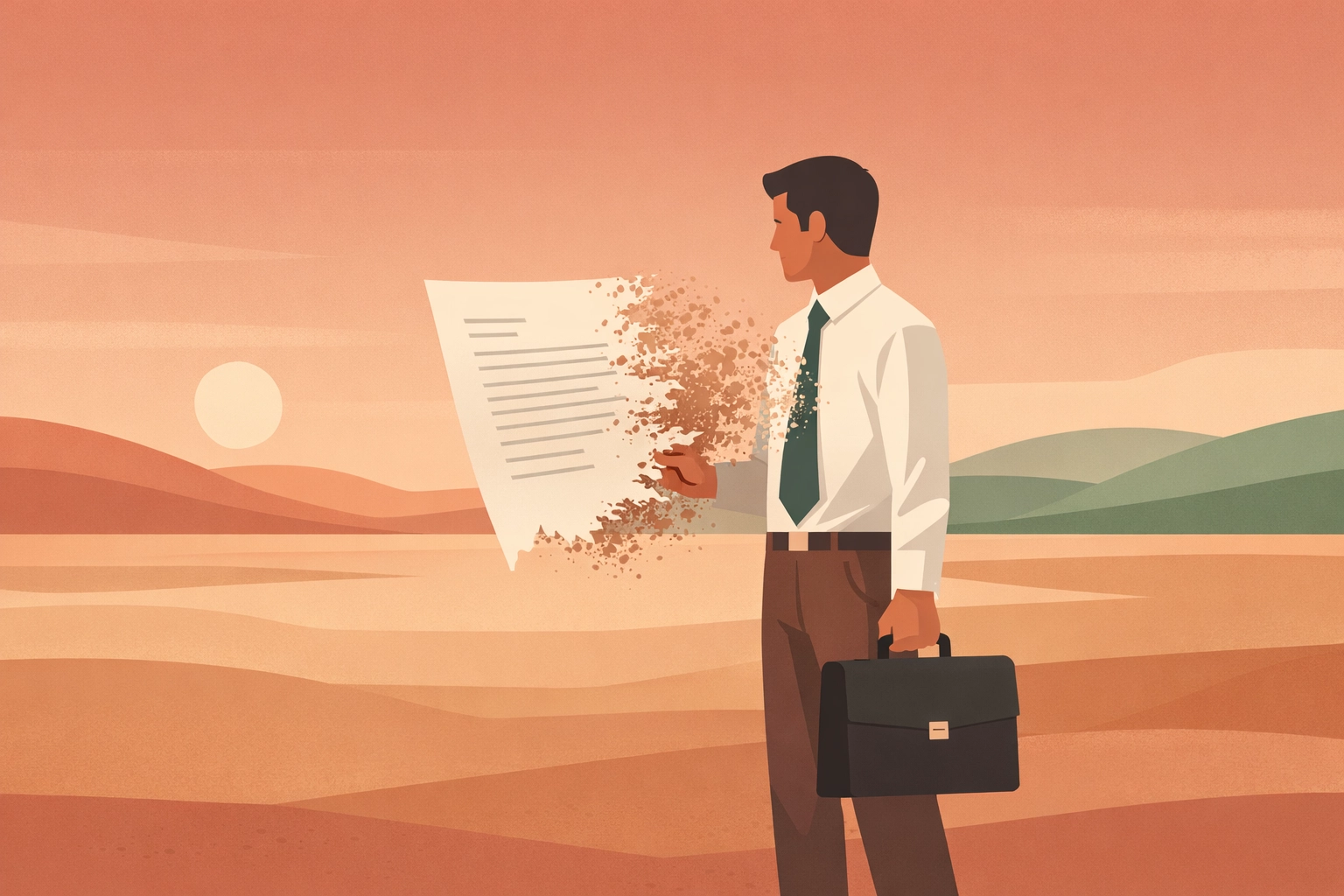
You feel it, don't you? That heavy, sinking sensation in your gut. It’s not just the commute. It’s the realization that the Psychological Contract you signed with your employer back in 2020 has been shredded and tossed into the breakroom trash.
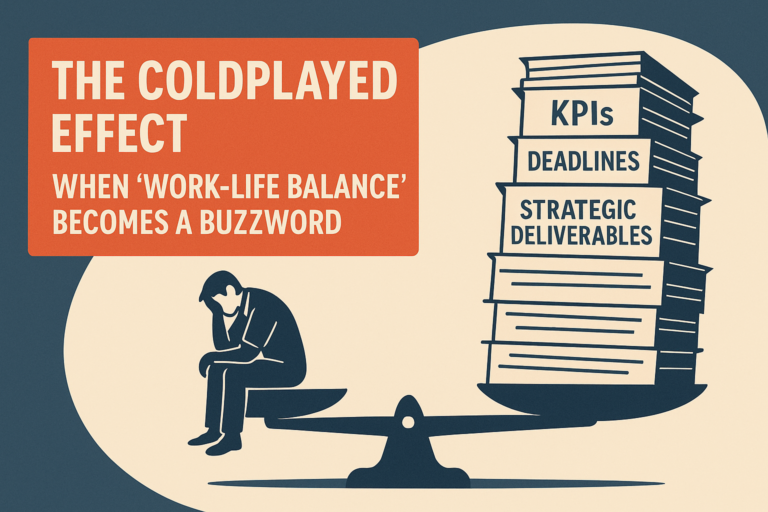
At Where the Rubber Meets The Road, we call this the "Cold Played" effect: the moment when leadership stops leading and starts managing by sight. It’s the ultimate corporate betrayal.
The Great Gaslighting of 2024-2026
For three years, the narrative was clear: "We trust you. You’re more productive than ever. This is the future of work." We built entire systems on that trust. We moved houses, restructured our childcare, and invested our own money into home offices that actually worked.
Then, the tide turned. Suddenly, the same leaders who praised our "unprecedented resilience" started singing a different tune. They started talking about "serendipitous encounters" and "cultural osmosis" as if the office water cooler was a magical fountain of innovation.
"It feels like being told you’re a responsible adult for three years, only to be put back on a curfew because the landlord is worried about the mortgage on the building." : Direct quote from a senior developer who recently quit a Fortune 500 firm.
The Official Spin vs. The Satirical Reality
To understand why a Mandated RTO feels like such a slap in the face, we have to look at the gap between what they say and what they actually mean.
| The Official Line | The Satirical Reality |
|---|---|
| "We want to foster organic collaboration and spontaneous brainstorming." | "I don't know how to measure your output if I can't see the back of your head from my glass office." |
| "Being in the office strengthens our corporate culture." | "Our culture is so fragile it evaporates the moment you aren't forced to smell Bob’s tuna salad at noon." |
| "In-person mentorship is vital for our junior staff." | "We haven't updated our training manuals since 2012, so just watch what the seniors do and hope for the best." |
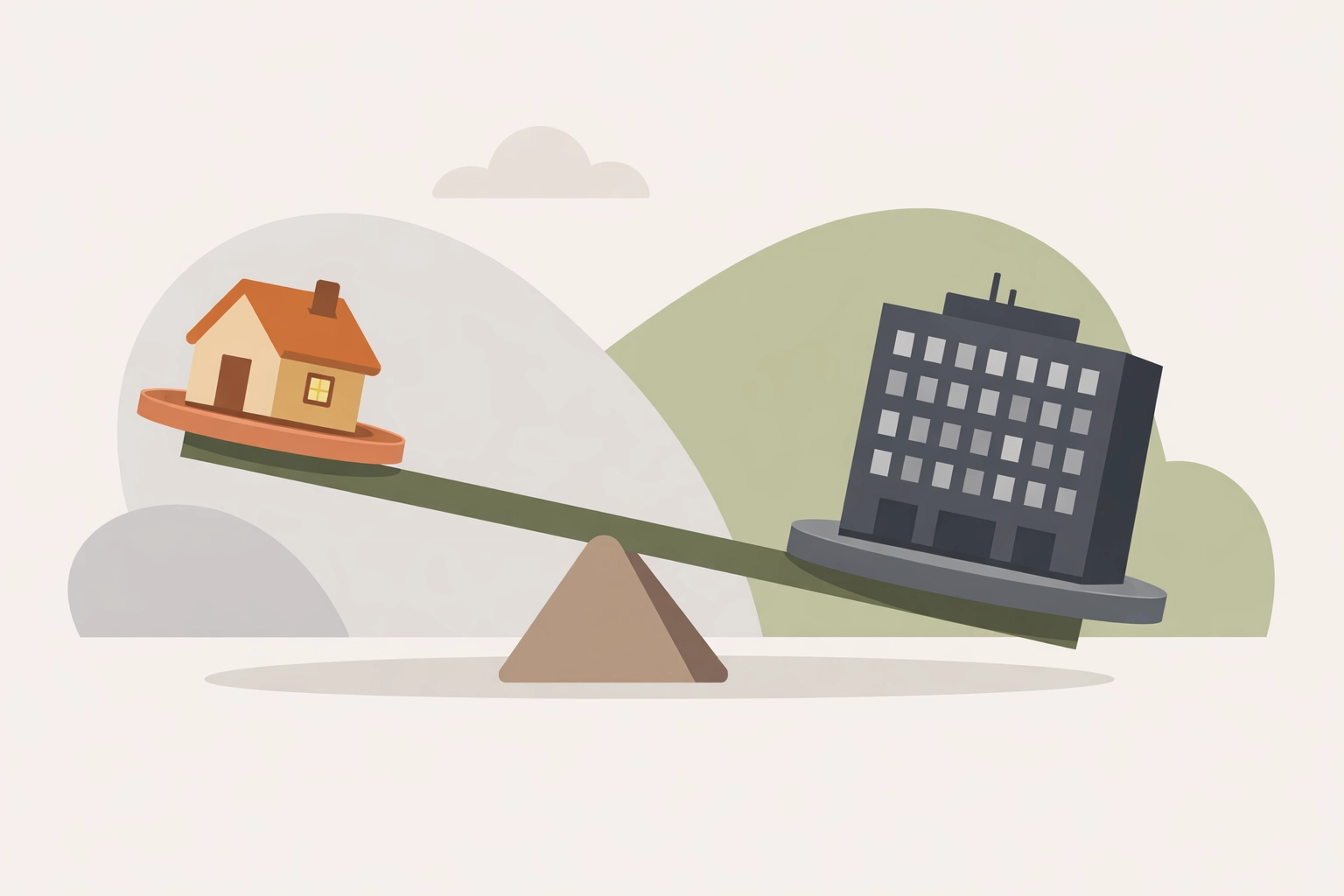
| "We value the 'togetherness' of our team." | "Our commercial real estate tax breaks are tied to occupancy rates, and we’re bleeding cash on this lease." |
Why This is a Betrayal of Trust
Trust is the currency of high-performance teams. When a company issues a Mandated RTO, they aren't just changing a commute; they are devaluing that currency.
- The Productivity Paradox: Research shows that employees often work harder at home to prove they aren't slacking. By forcing them back, you’re essentially saying, "I don't believe you were actually working."
- Autonomy vs. Control: Autonomy is one of the biggest drivers of employee satisfaction. Mandates are the antithesis of autonomy. They are a loud, clanking bell that signals the return of Micro-management.
- The Disruption of Life: People built lives around the promise of flexibility. Forcing a return is an indifferent shrug toward your family, your health, and your sanity.
As we discuss on the Where the Rubber Meets The Road podcast, leadership isn't about where the bodies are; it's about where the minds are. If your team is physically present but mentally checked out (or actively searching for a new job on LinkedIn during their lunch break), you haven't won. You’ve lost the war for talent.
The "Cold Played" Vocabulary: Defined
In our framework at Where the Rubber Meets The Road, we use specific terms to describe these toxic shifts.
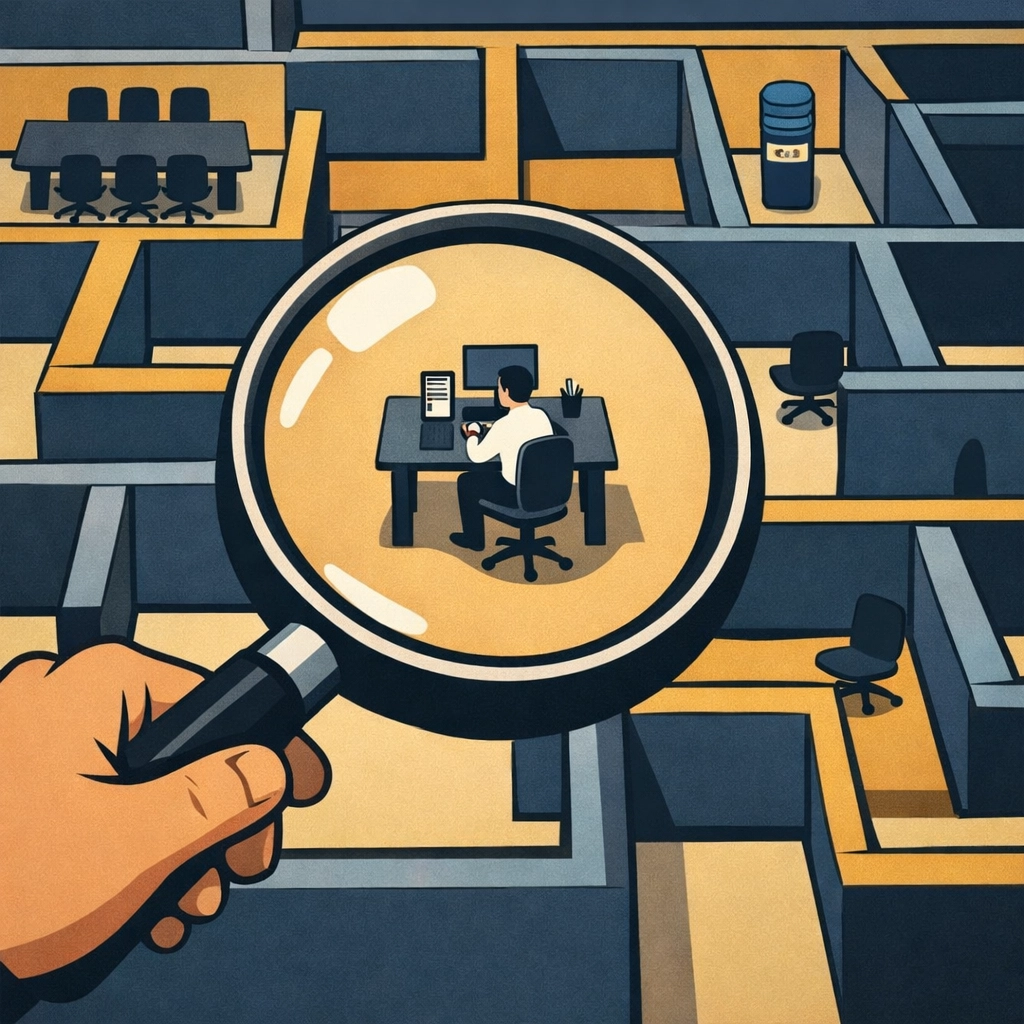
- Productivity Theater: The act of looking busy in an office environment to satisfy the visual requirements of a manager, regardless of actual output.
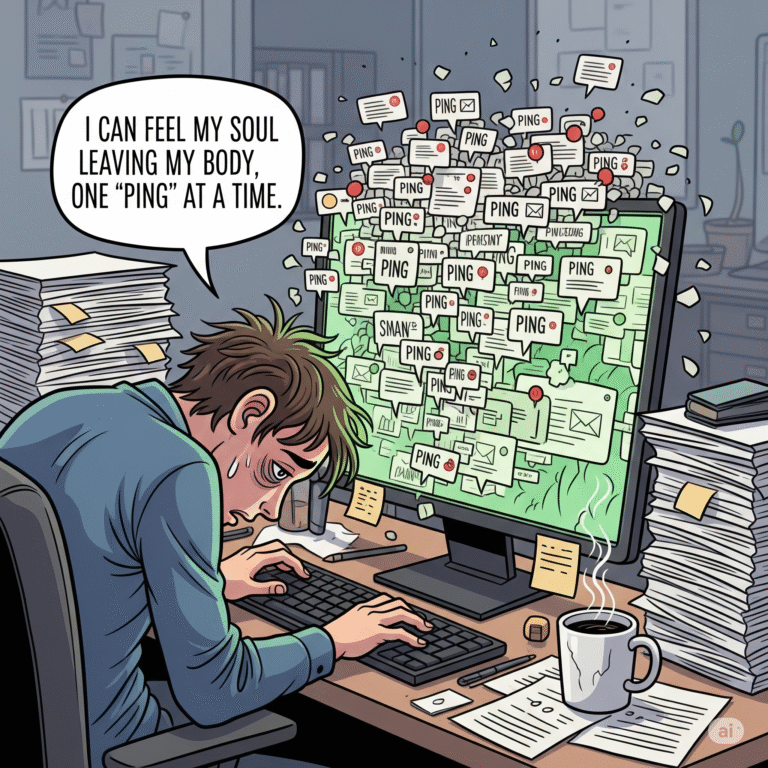
- Digital Death by a Thousand Cuts: The endless stream of "quick syncs" and "check-ins" that replace the trust-based workflows of remote work.
- The Hallway Myth: The delusional belief that the most important business decisions happen by accident in a hallway, rather than through structured, intentional communication.
The Federal Ripple Effect
We saw this play out on a massive scale with the January 2025 RTO mandate for executive branch employees. It wasn't just a policy change; it was a disruption of long-standing union contracts and telework arrangements. When the FAA: an agency that literally manages complex systems from a distance: is told that remote work is suddenly a "disruption," you know the logic has left the building.
It’s a power move. Pure and simple.
Breaking the Psychological Contract
The Psychological Contract is the unwritten set of expectations between an employer and an employee. When you told your staff they were "essential" and "trusted" while they worked from their kitchen tables during a global crisis, you updated that contract.
By pivoting to a mandate, you didn't just change the rules: you lied.
"I spent three years hitting every target, winning awards, and managing a team across four time zones. Now I’m told I ‘need’ to be in an office to be effective. It’s insulting." : Feedback from our recent Workplace Culture Quiz.

How to Pivot (For Leaders Who Actually Give a Sh*t)
If you’re a leader reading this and you’re feeling a bit defensive: good. That’s the "Rubber Meeting the Road." You have a choice. You can follow the herd into the "Great Regression," or you can actually lead.
- Focus on Outcomes, Not Hours: If the work is getting done, why does the chair matter? If you can't measure output without a badge swipe, your management system is broken.
- Radical Transparency: If the reason for RTO is the lease or the tax breaks, say that. Don't wrap it in a "collaboration" blanket. Employees respect honesty; they despise being handled.
- Earn the Commute: If you want people in the office, make it worth the trip. Not with "free pizza Fridays," but with high-value, intentional gatherings that actually benefit their professional growth.
- Check the Ego: Ask yourself: Is this mandate for them, or is it for me? Do I feel like more of a "boss" when I see people scurrying around?
For more on how to navigate these messy cultural shifts, check out our Services or read more about Our Mission. We’re here to help you stop the "Cold Played" rot before it kills your retention rates.
Cognitive Accessibility Matters, Too
Let’s talk about the part corporate RTO cheerleaders love to ignore: cognitive accessibility.
For a lot of people with invisible disabilities like ADHD, autism, anxiety, PTSD, migraines, or sensory processing issues, the office isn’t just “less convenient.” It can be a full-blown drain on focus, regulation, and energy. The noise, the interruptions, the fluorescent lighting, the forced small talk, the unpredictable schedule shifts—none of that is neutral. It’s friction. Constant friction.
And that matters because when a company mandates office attendance without thinking about cognitive load, it’s not just making a policy choice. It’s creating barriers. Real ones.
"I’m not refusing to adapt—I’m trying not to get overloaded before lunch."
That’s why any conversation about Mandated RTO needs to include accessibility—not just ramps and ergonomic chairs, but the mental and sensory realities people carry with them every day. If your workplace only works for people who can thrive amid chaos, distraction, and performative busyness, then your workplace doesn’t work nearly as well as leadership thinks it does.
If you’re struggling with the transition back to the office and need help reducing some of that cognitive clutter, one tool worth checking out is HeyPocket. It’s an affiliate recommendation, and it may be especially useful for people with invisible disabilities like ADHD who need extra support staying organized, capturing tasks, and reducing the mental pileup that office life can trigger.
The Final Word
Mandated RTO is a shortcut. It’s the easy way out for leaders who are too lazy or too scared to learn how to lead in a digital-first world. It’s a betrayal of the trust that kept the global economy afloat when the world stopped turning.
The companies that thrive in the next decade won't be the ones with the nicest lobbies or the most expensive real estate. They will be the ones that honor their word, respect their employees' lives, and understand that trust is a two-way street.
Is your company forcing you back to the "good old days"? How has it affected your trust in leadership?
Drop a comment below or reach out to us via our Contact Page. Let’s talk about where the rubber actually meets the road.

Want to dive deeper into the chaos of modern workplace culture? Listen to Eric Fishon break it down on the Where the Rubber Meets The Road podcast on Amazon Music.