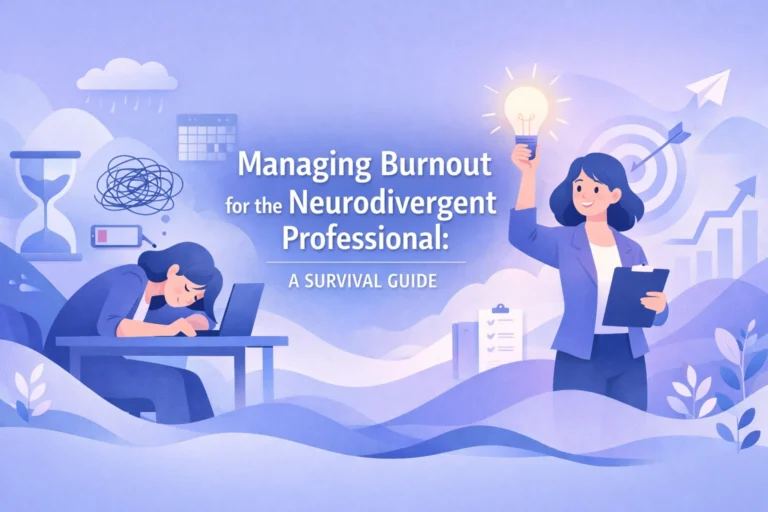
The world has shifted in how we talk about productivity, yet many of our homes are still stuck in a dark age of outdated systems. We are currently facing a silent crisis of burnout and "doom piles," not because people are lazy, but because the traditional tools of organization were never built for the neurodivergent brain. If you’ve ever stared at a simple to-do list and felt a physical wall of resistance blocking you from starting, you aren’t failing at life: you’re experiencing a disconnect between your brain and your environment.
Executive dysfunction is the invisible barrier that makes starting, pivoting, or finishing tasks feel like wading through waist-deep molasses. For those of us with ADHD or other cognitive differences, the "just do it" mantra is a hollow platitude. The question is, how can we actually bridge the gap between knowing what needs to be done and actually doing it? The answer might be smaller than you think: it’s about the power of the chore icon.
The Cognitive Load Crisis: Why Words Fail Us
For most people, a written list is a helpful reminder. For someone struggling with executive dysfunction, a list is a series of complex puzzles that require decoding. When you see the word "Dishes" on a notepad, your brain doesn't just see a task; it sees a mountain of sub-tasks. You have to find the soap, clear the rack, scrub the plates, and figure out where the sponges went.
This creates an immense "cognitive load." We only have so much mental energy to spend each day, and reading: which is a relatively recent evolutionary development: takes more brain power than processing images. When your brain is already taxed by sensory overload or brain fog, reading a list of words feels like trying to read a technical manual in a language you only half-understand.
This is where the visual chore chart comes into play. By replacing abstract text with a clear, immediate chore icon, we bypass the heavy lifting of the prefrontal cortex. An icon of a plate doesn't require "reading." It’s an instant signal. It’s a shortcut directly to the action center of your brain.
The Science of the "Picture-Superiority Effect"
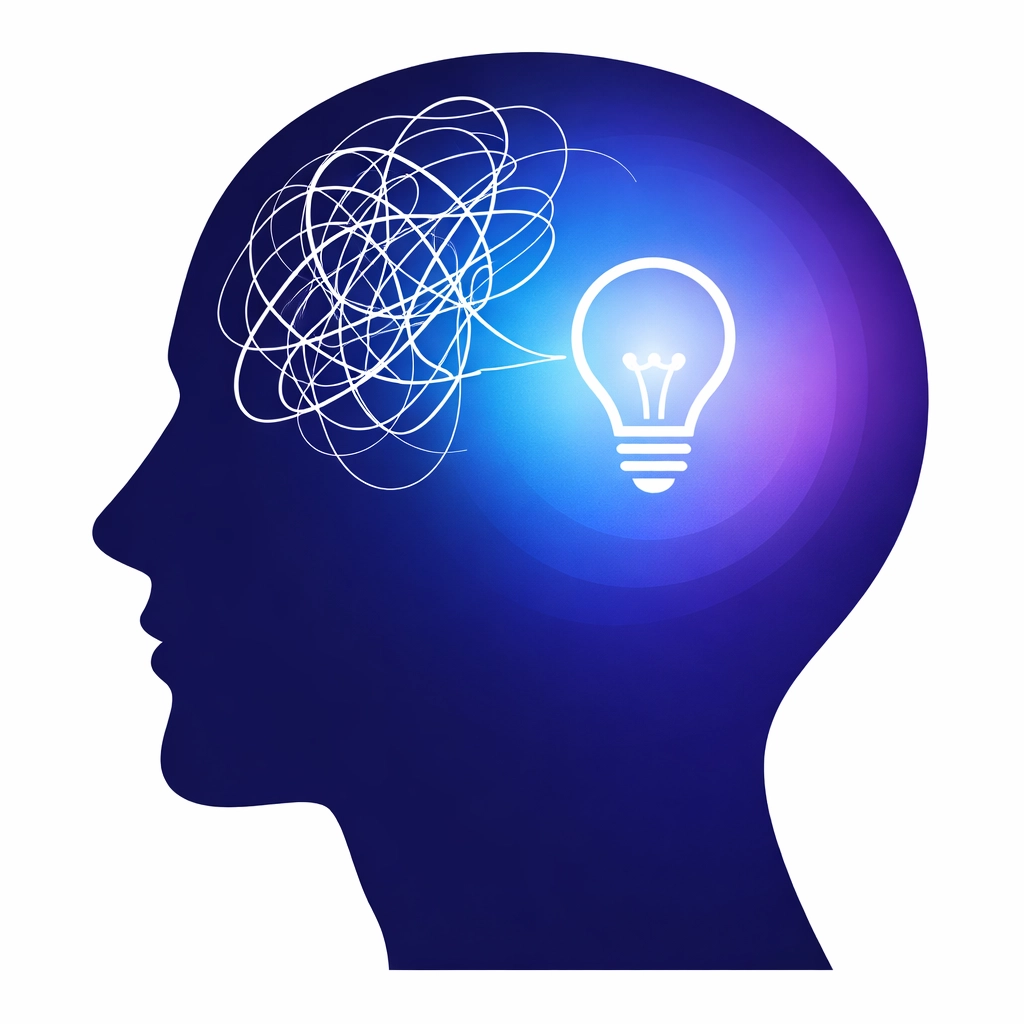
Why does a chore icon work so much better than the word "Laundry"? It comes down to the Picture-Superiority Effect. Humans are hardwired to process visual information 60,000 times faster than text. In the context of ADHD and executive dysfunction, speed is everything. The longer you have to think about a task, the more time your brain has to build up a "Wall of Awful" around it.
When you use a visual chore chart, you are essentially providing your brain with a "lifeline." You are reducing the friction between the thought and the action.
- Instant Recognition: You see a spray bottle icon and your brain instantly shifts to "cleaning mode."
- Reduced Decision Fatigue: You don't have to interpret the handwriting or the intent; the icon tells the story.
- External Anchoring: The icon stays consistent. Words can feel different depending on your mood, but a well-chosen icon is a stable, non-judgmental anchor in your environment.
Transforming the "Vague" into the "Visible"
One of the biggest enemies of productivity for the neurodivergent community is ambiguity. "Clean the kitchen" is a terrifyingly vague command. It’s a black hole of possibilities. However, a visual chore chart broken down into specific chore icons: a trash can for the bin, a sponge for the counters, a broom for the floor: turns a massive project into a series of bite-sized, achievable "wins."
Think about a student who consistently submits assignments late, not because they don't care, but because they can't figure out where to start. Now, imagine their workspace tagged with icons: a book for "Reading," a pencil for "Drafting," and a checkmark for "Submitting." We aren't just making things look "cute"; we are building an external nervous system.

Why the Right Icon Matters
Not all icons are created equal. If you’re building a system to tackle executive dysfunction, you can’t just pick any random clip art. The icon needs to be a "trigger" for your specific brain.
- High Contrast: The icon should pop against its background so it catches your eye even when you're distracted.
- Literal vs. Abstract: For some, a stylized "sparkle" icon means "cleaning." For others, it’s too abstract and they need to see a literal picture of a vacuum.
- Personal Connection: If you have a specific "joy" associated with a task: like listening to a certain podcast while you fold laundry: maybe your chore icon for laundry should be a pair of headphones.
By choosing the right chore icon, you are speaking your brain's native language. You are moving away from a world of "shoulds" and "musts" and into a world of visual cues that guide you through your day like a GPS.
Challenging the Institutions of "Normalcy"
Traditional organizational experts often pat themselves on the back for creating complex planners and color-coded filing systems that look great on Instagram but are utterly useless for someone with ADHD. These institutions often imply that if their systems don't work for you, the fault lies with your discipline.
We at Dr. Disruptor are here to say that’s nonsense. If a system requires you to change the way your neurons fire just to use it, the system is broken, not you. The move toward visual chore charts and specialized chore icons is a direct challenge to the "one-size-fits-all" productivity industrial complex. We are advocating for tools that meet you where you are, not where society thinks you should be.

Implementing Your Visual System: A Step-by-Step Guide
Ready to stop fighting your brain and start working with it? Here’s how to integrate icons into your life to manage executive dysfunction:
- Identify the Friction Points: Which chores do you consistently avoid? These are the ones that need icons the most.
- Choose Your Medium: Will you use a physical board on the fridge, stickers on a wall, or a digital app? (Pro tip: Physical icons are often better for those who struggle with "out of sight, out of mind.")
- Audit Your Icons: Look at your chore icon choices. Do they make sense instantly? If you have to squint and think, "What does that little blue square mean?" change it.
- Place Icons at the "Point of Performance": Don't just put all your icons on one chart. Put the "trash" icon on the actual trash can. Put the "dishes" icon on the dishwasher. This creates an immediate environmental trigger.
- Gamify the Process: Use your visual chore chart to track streaks. Seeing a row of icons "completed" provides a hit of dopamine that a simple checkmark rarely does.
Tools to Help You Thrive
If you're looking for ways to streamline your life further, checking out specialized platforms can make a world of difference. At Dr. Disruptor, we are always looking for ways to empower our community with the best tech and resources. That’s why we’re excited about the Toolsurf referral program. Finding the right digital tools to complement your physical visual chore chart can be the "double-edged sword" you need to finally cut through the fog of executive dysfunction.
Whether you're looking for better calendar integrations or specialized ADHD-friendly apps, exploring these resources is a great next step in your empowerment journey. You can learn more and join the community at Dr. Disruptor's main site.

A Future of Empowerment, Not Just "Efficiency"
The goal isn't just to get more chores done so you can be a "better" worker or a "cleaner" person. The goal is to reduce the daily suffering caused by a brain that feels like it's constantly red-lining. When we use tools like a chore icon or a visual chore chart, we are reclaiming our mental energy. We are saving that precious "brain fuel" for things that actually matter: our hobbies, our families, and our joy.
Why should you have to struggle through a written list when a simple image can set you free? It’s time to stop apologizing for how your brain works and start demanding (and creating) environments that support it. Your home should be a place of recovery, not a source of constant cognitive labor.
By embracing these visual aids, you aren't just "handling chores": you are disrupting the narrative that productivity has to be painful. You are proving that with the right support, the neurodivergent brain is not just capable, but unstoppable.
Want to dive deeper into neurodivergent-friendly systems? Explore our user-uploaded blogs for more community tips, or register to join our movement of empowerment and advocacy. Let's disrupt the status quo, one icon at a time.