You know that feeling when you walk into the office and notice someone's desk is just a little too clean? No coffee mug. No family photos. No random pile of Post-its.
They're gone.
And nobody said a word.
Welcome to forever layoffs, the corporate strategy that's keeping you awake at 2 AM wondering if you're next, and your employer absolutely loves it.
What the Hell Are Forever Layoffs?
Here's the game: Companies conduct continuous, small-batch layoffs, typically under 50 people at a time, so they can quietly eliminate positions without triggering federal regulations, media scrutiny, or that pesky thing called human decency.
Why 50? Because the WARN Act (Worker Adjustment and Retraining Notification) requires companies to give 60 days' notice and severance protections when laying off 50 or more workers. Stay under that magic number, and suddenly you owe people nothing. No advance warning. No severance packages. Just a polite HR conversation and a cardboard box.
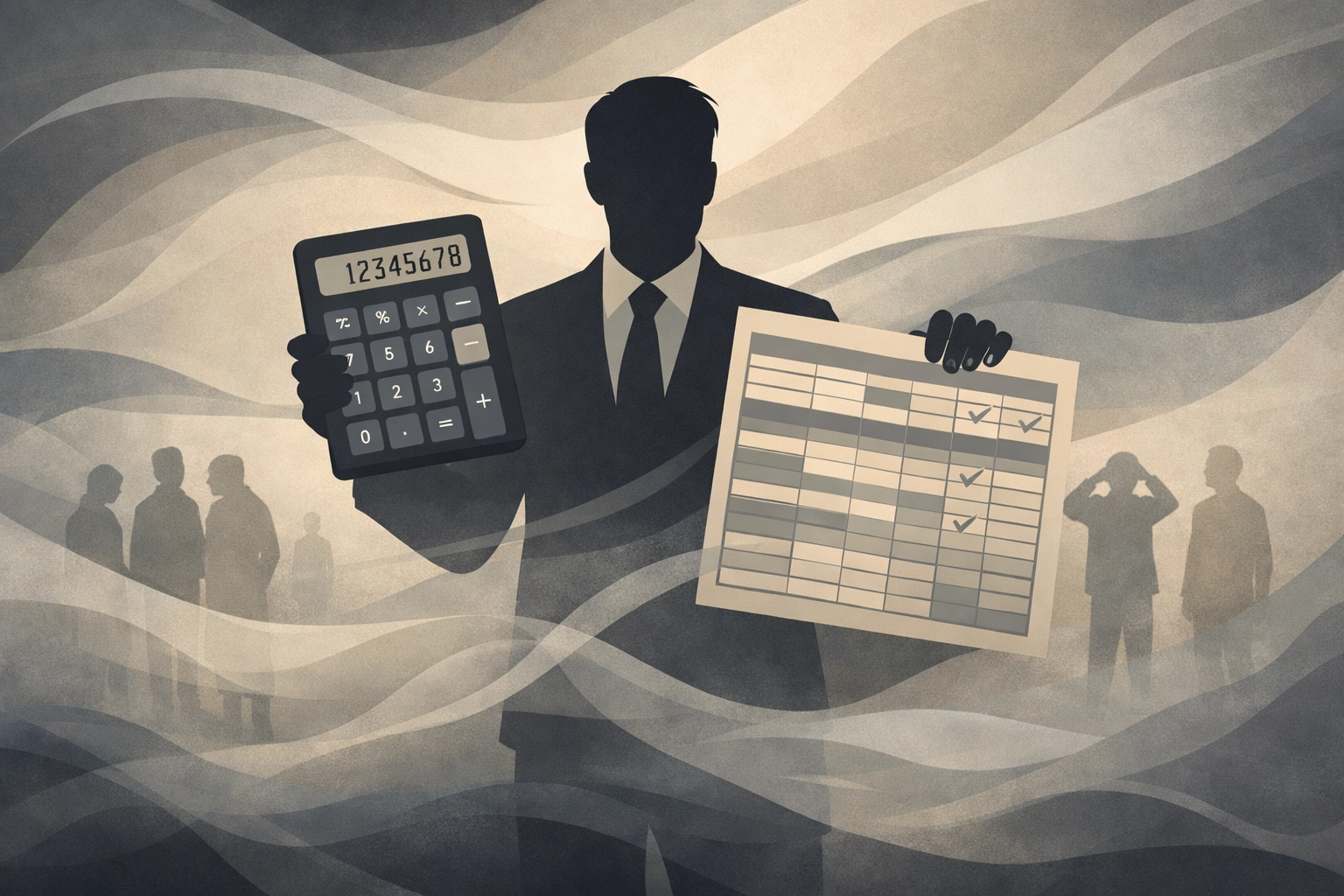
It's brilliant, really, if you're a sociopath with a spreadsheet.

The "Efficiency" Smokescreen
Let's talk about the word every executive loves to hide behind: efficiency.
"We're streamlining operations."
"We're optimizing our workforce."
"We're driving operational excellence."
Translation: We're keeping you terrified so you'll shut up about that raise you deserve.
This is textbook ColdPlayed Effect territory, using corporate jargon to mask what's really happening. Forever layoffs aren't about efficiency. They're about control. They're about creating a workplace where everyone is so afraid of losing their job that they'll accept stagnant wages, absorb the work of three people, and never, ever push back.
Because if you complain? Well, Sarah from accounting didn't show up today, did she?
The Three Reasons Companies Love This Strategy
1. Financial Engineering (a.k.a. Cheap as Hell)
No WARN Act compliance means no severance obligations. Companies save millions by keeping layoffs small and frequent rather than conducting one large, expensive reduction. Plus, they can redistribute work to remaining employees without adding a single dollar to payroll.
One reader told me: "My team went from 12 people to 7 in eight months. My workload tripled. My salary? Same as 2023."
That's not efficiency. That's theft with extra steps.
2. Maximum Flexibility (a.k.a. Constant Chaos)
Markets shift. AI gets better at replacing humans. Q4 numbers look shaky. With forever layoffs, companies can adjust headcount in real-time like they're playing The Sims: except the characters they're deleting are actual people with mortgages.
This keeps organizations "nimble" (another word that should be banned from the English language). It also keeps employees in a state of perpetual uncertainty, which: spoiler alert: is exactly the point.
3. Reputation Management (a.k.a. Avoiding Bad Headlines)
One big layoff of 500 people? That's a news story. That's activist investors asking questions. That's your CEO having to do an uncomfortable town hall where they pretend to care.
Fifty people every six weeks? That flies under the radar. No press release required. No uncomfortable Slack announcements. Just people quietly vanishing like they never existed, and everyone else wondering if they're next.
It's a slow-bleed culture: death by a thousand cuts, where the executioner gets to keep their hands clean.
The Real Goal: Suppressing Wage Demands and Dissent
Here's what forever layoffs actually accomplish:
They reset the power dynamic.
When workers feel secure, they negotiate. They ask for raises. They push back on unreasonable demands. They organize.
But when your coworker disappears without warning? When workloads increase but headcount decreases? When you're told the company is "doing great" while people are quietly shown the door?
You shut up. You take what you're given. You're grateful to still have a job.
Glassdoor research confirms this: forever layoffs create an environment where "workers are in suspense, constantly worried about their job security, and can't focus on their work." And that's not a bug: it's a feature. Anxious workers don't demand raises. They don't question leadership decisions. They don't have the mental bandwidth to update their résumés or network for better opportunities.
They're too busy trying to survive.

The Psychology of Forever Layoffs
Let's call this what it is: manufactured trauma.
Traditional layoffs, as brutal as they are, at least provide clarity. You know who's affected. You know it's over. You can grieve, regroup, and move forward.
Forever layoffs? They're psychological warfare. Nobody knows who's next. Nobody knows when it will stop. Every Slack message from HR feels like a threat. Every closed-door meeting triggers panic.
And the worst part? It works.
Employees become hypervigilant: constantly scanning for signs they're on the chopping block. Collaboration suffers because people are protecting their territory instead of sharing knowledge. Innovation dies because taking risks feels like painting a target on your back.
You're not building a career. You're playing corporate Squid Game.
How to Spot If Your Company Is Running This Playbook
- Frequent "right-sizing" announcements that affect just a handful of people at a time
- No clear communication about who was let go or why
- Increased workload but no additional resources or compensation
- Leadership talking about "doing more with less" like it's a badge of honor
- Performance review cycles that feel more like auditions for survival
- Vague talk of "market conditions" despite the company reporting record profits
If three or more of these sound familiar, congratulations: you're living through a forever layoff strategy.
What You Can Actually Do About It
I'm not here to blow sunshine. This trend isn't going away anytime soon. But here's what you can control:
Document everything. Keep records of your accomplishments, expanded responsibilities, and any communication about job expectations. If (when) they come for you, you'll have ammunition for negotiation.
Update your résumé quarterly. Don't wait until you're panicking. Keep it fresh so you're always ready to jump.
Build your network now. The best time to look for a job is when you don't need one. The second-best time is right now.
Stop buying the "efficiency" narrative. Call it what it is. Companies aren't optimizing: they're exploiting. And the moment you recognize the game, you can decide whether you want to keep playing.
Consider unionizing or organizing. Collective action is the only real counter to forever layoffs. Individual workers are replaceable. Organized workers are powerful.
The Bottom Line
Forever layoffs aren't a workforce strategy: they're a workplace culture cancer. They destroy trust, kill morale, and turn talented people into shell-shocked survivors who are too afraid to advocate for themselves.
And that's exactly what they're designed to do.
So the next time your CEO talks about "driving efficiency" or "remaining agile," remember: they're not talking about innovation. They're talking about keeping you scared enough to accept less than you deserve.
Because a workforce that's afraid is a workforce that doesn't ask questions.
And that's worth more to them than any severance package they're avoiding.
What's your experience with forever layoffs? Have you watched colleagues quietly disappear while workloads increased? Drop a comment: let's talk about what's really happening out there.