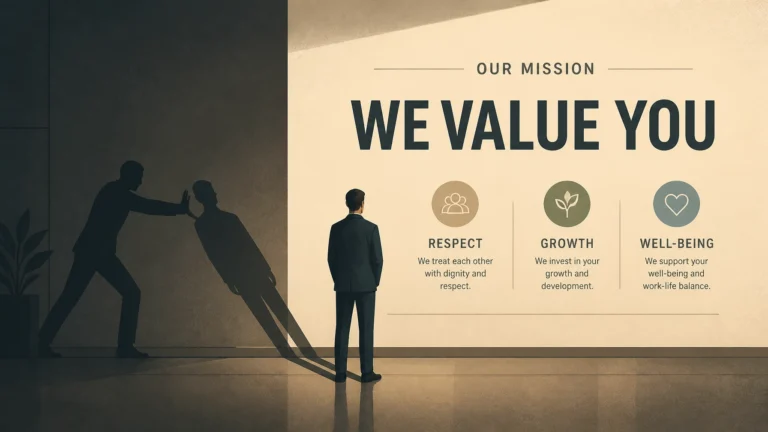
The world has shifted dramatically in how we talk about workplace inclusion, yet one of the most significant gaps in corporate diversity efforts remains largely hidden from view. While companies proudly showcase their visible diversity initiatives, a massive invisible employee crisis is unfolding in offices, remote workspaces, and hybrid environments across the globe.
Here's the shocking reality: 30% of employees report having a disability, chronic health condition, or neurodivergence, but only 3.2% feel safe enough to disclose this information to their employers. This isn't just a statistic: it's a human tragedy playing out in conference rooms and Slack channels every single day.
The Staggering Disclosure Gap
The numbers paint a picture that should keep every HR leader awake at night. In a 2017 survey conducted in the United States, researchers uncovered what we now recognize as one of the most significant disclosure gaps in workplace diversity. Nearly one in three employees lives with some form of disability, yet fewer than one in twenty-five feels comfortable enough to ask for the support they need.

Why does this invisible employee crisis persist? The answer lies in understanding what we mean by "invisible disabilities." Approximately 80% of disabilities globally are invisible or non-apparent: conditions like chronic pain, mental health challenges, autoimmune disorders, ADHD, autism, diabetes, and countless others that don't present obvious external signs.
These employees aren't hiding because they want to. They're hiding because they've learned, through experience or observation, that disclosure often comes with devastating consequences.
The Fear That Keeps Employees Silent
The reasons behind this disclosure gap reveal systemic failures in how workplaces approach disability inclusion. When researchers dig deeper into why employees stay silent, the findings are both predictable and heartbreaking.
Career Suicide Concerns: Around 40% of disabled workers report feeling uncomfortable discussing their disability at work, primarily due to legitimate fears about career progression. They've watched colleagues get passed over for promotions, excluded from high-visibility projects, or suddenly find themselves under excessive scrutiny after disclosure.
Inadequate Support Systems: Here's where the invisible employee crisis becomes most apparent: 50% of employees with invisible disabilities say the difficulties they face in getting workplace support make the entire process not worth pursuing. When asking for help becomes harder than suffering in silence, the system has fundamentally failed.
The Burden of Self-Advocacy: Perhaps most telling, 67% of employees with invisible disabilities report feeling that securing support and reasonable accommodations is entirely their responsibility. Rather than employers creating proactive, inclusive environments, they've shifted the burden to the very people who are already struggling.

Budget Cuts and Prioritization: The data reveals that 38% of employees with invisible disabilities aren't receiving needed support due to organizational budget constraints, while 58% feel they're not prioritized as much as those with visible conditions.
The Hidden Costs of the Crisis
This invisible employee crisis isn't just a moral failing: it's an economic disaster hiding in plain sight. Organizations unknowingly hemorrhage talent, productivity, and innovation while simultaneously increasing recruitment, training, and turnover costs.
Consider Sarah, a marketing manager with chronic fatigue syndrome who consistently produces exceptional work but struggles with traditional 9-to-5 expectations. Rather than request flexible hours: fearing it will damage her reputation: she pushes through debilitating exhaustion, leading to decreased performance, increased sick days, and eventual burnout. The company loses a valuable employee and spends months recruiting and training a replacement, never understanding the simple accommodation that could have prevented the entire crisis.
Employees with disabilities experience significantly worse workplace outcomes compared to their non-disabled colleagues, including:
- Lower engagement scores across all metrics
- Reduced advancement opportunities and promotions
- Less likelihood to speak up about problems or innovations
- Higher turnover rates and earlier career exits
The ripple effects extend beyond individual experiences. Teams lose diverse perspectives, companies miss opportunities for innovation, and entire industries perpetuate exclusionary practices that limit their talent pools.
What Employees Actually Need (And It's Not What You Think)
Breaking through the invisible employee crisis requires understanding what support actually looks like from an employee perspective. The research reveals that the most sought-after accommodations are often simple, cost-effective, and beneficial to all employees:
Flexible Working Arrangements (48%): This isn't about special treatment: it's about recognizing that productivity doesn't require physical presence in a specific chair at specific times.
Manager Training on Invisible Disabilities (39%): Supervisors need education to recognize signs of struggle, understand accommodation processes, and create psychologically safe environments for disclosure.
Company-Wide Disability Awareness (35%): When organizations educate all employees about invisible disabilities, it reduces stigma and creates a culture where disclosure feels safer.
Assistive Technology Access (31%): From screen readers to noise-canceling headphones, technology accommodations often cost less than a company lunch but can transform an employee's ability to contribute.
Employee Assistance Programs (30%): Professional support services that employees can access confidentially, without navigating complex HR processes.

The pattern is clear: employees aren't asking for revolutionary changes or massive financial investments. They're asking for basic understanding, flexible policies, and the removal of unnecessary barriers.
Creating Disclosure-Safe Environments
Addressing the invisible employee crisis requires intentional, systematic change in how organizations approach disability inclusion. This isn't about compliance checkboxes: it's about creating environments where employees feel genuinely safe to be themselves.
Proactive Policy Development: Instead of reactive accommodation processes, successful companies develop comprehensive flexibility policies that preemptively address common needs. When flexible schedules, remote work options, and quiet spaces are available to everyone, requesting them doesn't feel like disclosure.
Leadership Modeling: When executives and managers share their own experiences with disabilities or mental health challenges, it signals that disclosure won't derail careers. Representation matters, especially at decision-making levels.
Accommodation Process Overhaul: The most effective organizations streamline accommodation requests, removing bureaucratic barriers and reducing the emotional labor required to access support.
Regular Check-ins: Rather than waiting for employees to struggle, proactive managers create regular opportunities for team members to discuss challenges and needed support in low-stakes conversations.
The Path Forward
The invisible employee crisis represents one of the last frontiers in workplace inclusion, but it's also one of the most solvable. Unlike some diversity challenges that require generational change, disability inclusion can be addressed through immediate policy shifts and cultural adjustments.
Organizations that successfully navigate this crisis don't just reduce their disclosure gap: they unlock innovation, improve retention, and create competitive advantages in talent acquisition. More importantly, they fulfill the basic human promise that work environments should allow people to contribute their best without sacrificing their well-being.

The question isn't whether your organization has employees with invisible disabilities: statistics guarantee that you do. The question is whether you're creating an environment where they can thrive openly, or whether they're forced to choose between authenticity and advancement.
Every day that passes without addressing this invisible employee crisis represents missed opportunities for human potential and organizational growth. The employees are there, the solutions exist, and the business case is undeniable. What's missing is the organizational courage to confront uncomfortable truths and commit to meaningful change.
The crisis is invisible, but the solution doesn't have to be. It starts with acknowledging that 30% of your workforce is waiting for you to create a space where they can ask for help: and finally feeling safe enough to do so.