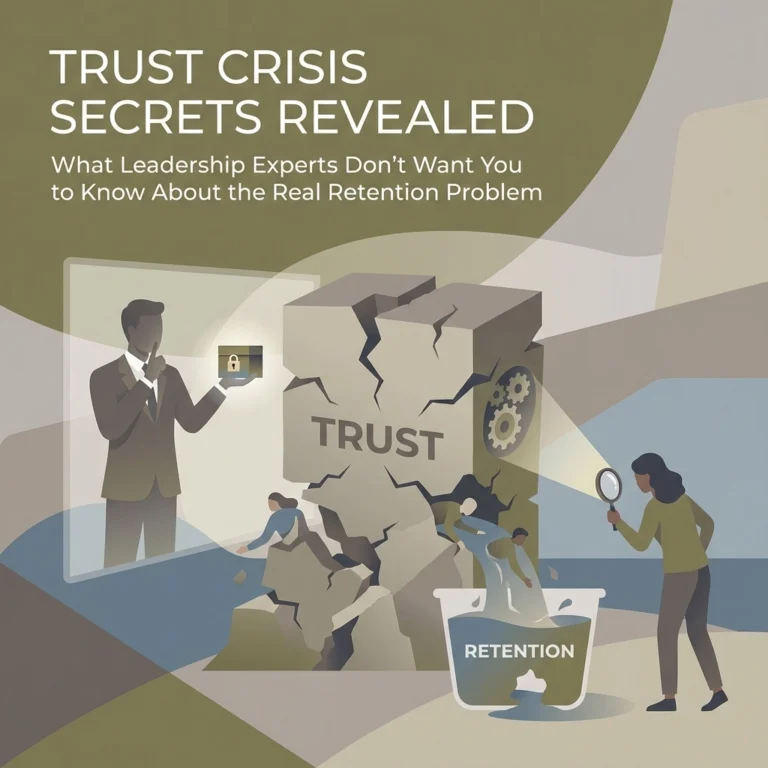
You know that feeling when someone's talking but their words don't match their energy? That slight wrongness that makes your bullshit detector start buzzing? That's exactly what happens when employees read your company values poster in the break room.
Here's the brutal truth: your people aren't idiots. They can smell fake values from three cubicles away. And right now, 78% of companies are using the exact same generic words to describe their "unique" culture. Innovation. Integrity. Excellence.
Sound familiar?
"Our company talks about 'putting people first' but laid off 200 people via email during Mental Health Awareness Week." – Anonymous employee review
Let's dive into the seven deadly sins of company values that make your employees want to update their LinkedIn profiles.
1. You're Using Corporate Mad Libs Instead of Authentic Values
Walk into any corporate office and you'll see the same values poster recycled with different logos. Innovation. Customer-centric. Excellence. These words appear in 78-90% of company value statements because some consultant sold you the same template they sold everyone else.

Your employees aren't impressed by marketing buzzwords. They want to know: What makes this place different? When you use generic corporate speak, you're essentially telling them that you couldn't be bothered to think about what actually matters here.
Real talk: If your values sound like they came from a corporate jargon generator, they probably did.
2. You're Selling Dreams, Not Reality
Here's where companies really screw up: confusing aspirational goals with actual core values. You plaster "Quality is our #1 priority" on the wall while rushing products out the door with known defects. You claim "Work-life balance" while expecting 60-hour weeks.
"They say they value innovation but shoot down every new idea because 'that's not how we've always done it.'" – Software developer, 3 years experience
Your employees live in your company culture every day. They see the gap between what you claim to value and what you actually reward. When there's a disconnect, guess which one they believe?
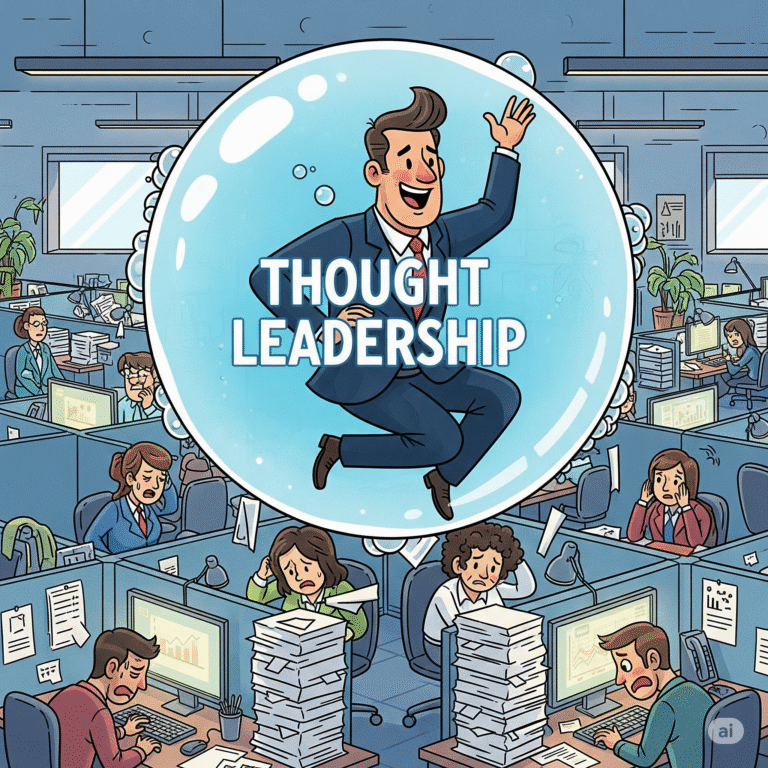
3. The Executive Retreat Echo Chamber
Nothing screams "out-of-touch leadership" like values created during an expensive executive retreat at some mountain resort. While you're sipping wine and brainstorming "synergistic excellence," your employees are dealing with broken systems, impossible deadlines, and that one coworker who microwaves fish in the shared kitchen.
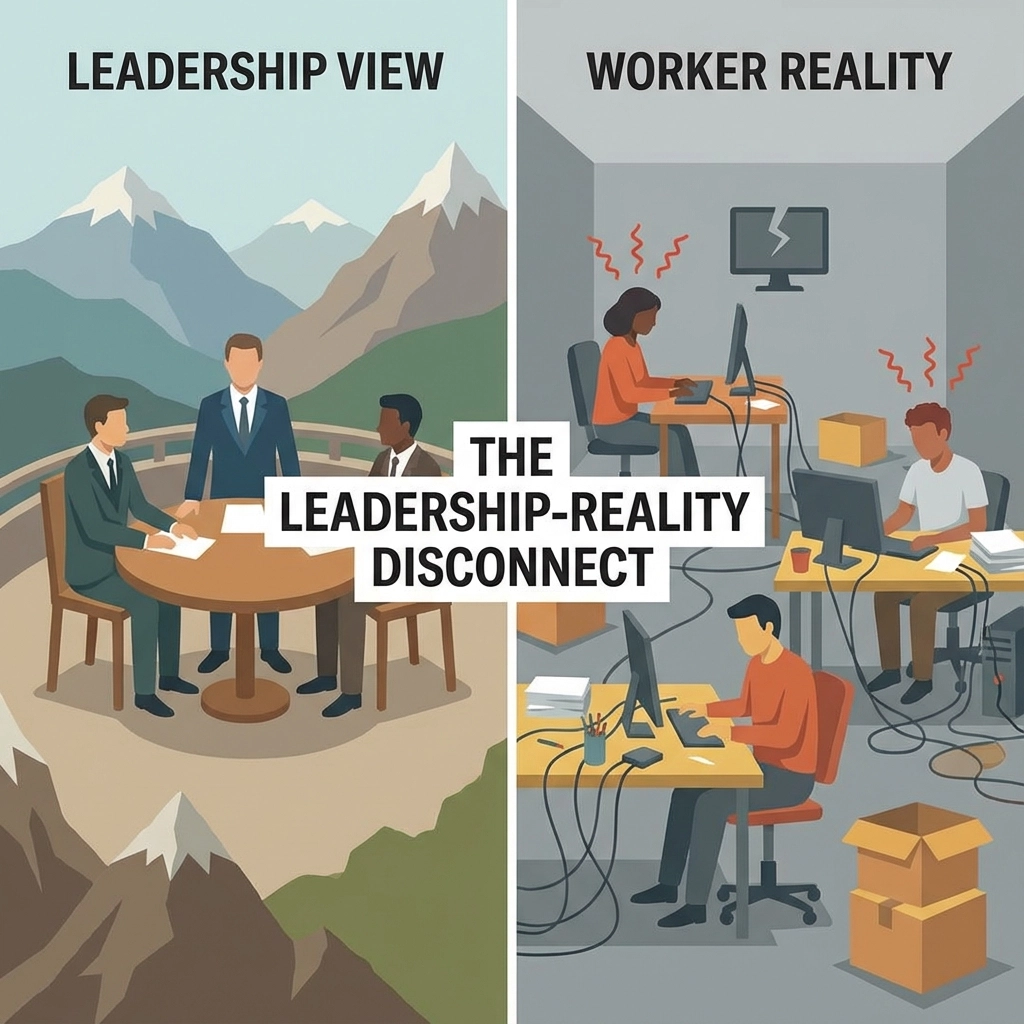
Values without employee input aren't values: they're corporate fiction. Your frontline people know what it actually takes to succeed in your organization. They know which behaviors get rewarded and which ones get punished, regardless of what the poster says.
Why this backfires: Employees have finely-tuned sensors for detecting when leadership lives in a different reality than they do.
4. Your Values Are Too Vague to Be Useful
"Excellence" means what, exactly? If you asked ten employees to define your company's core values, would you get ten different answers? Congratulations: you've created corporate horoscopes. Vague enough for everyone to see what they want to see, specific enough for no one to be held accountable.
"We're supposed to 'exceed expectations' but nobody can tell me whose expectations or how to measure that." – Customer service representative
Values that don't translate into specific behaviors are just expensive wall art. Your people need to know: What does this look like in practice? How do I make decisions based on this? What happens when values conflict with each other?
5. You Buried Your Values in Corporate Purgatory
Quick test: Can your employees find your company values without searching through three different portals, an outdated employee handbook, and asking HR? If not, you've failed at the most basic level: communication.

Values scattered across multiple documents, buried in onboarding materials, or living only in leadership's heads have zero impact on daily culture. When employees can't easily access or reference your values, they can't guide decisions. And when they can't guide decisions, they become corporate wallpaper.
6. Death by Value Overload
Some companies think more values equal better culture. Wrong. When you list fifteen different values, you're essentially saying that nothing is your priority. Your employees' brains can't hold onto that many guiding principles, so they default to the unwritten rules they observe in action.
"We have twelve core values posted everywhere, but everyone knows the real rule is just 'don't make the boss angry.'" – Marketing coordinator
The magic number? Most successful companies stick to 3-5 values that actually matter and can be lived out daily.
7. Values Without Teeth Are Just Suggestions
Here's the big one: the mistake that kills employee trust faster than a mandatory fun committee: stating values without embedding them into your systems. Your hiring process, promotion criteria, performance reviews, and budget decisions should all reflect your stated values.

If someone gets promoted despite consistently violating your values, you just told everyone what you actually value. If budget cuts always target the departments that embody your values most, you revealed your real priorities. If your hiring process screens for skills but ignores cultural fit, you've just imported people who don't share your foundation.
"They fired the most ethical person in our department and promoted someone who consistently throws people under the bus. That told us everything about their 'values.'" – Operations specialist
The Real Cost of Fake Values
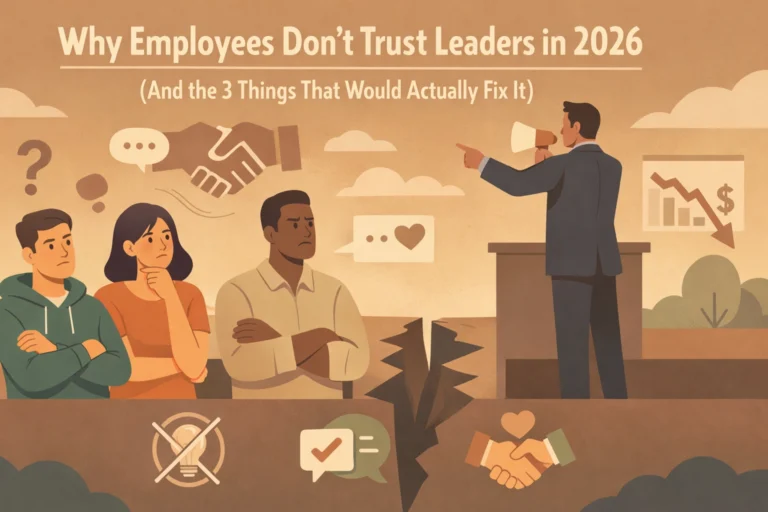
When employees see through your corporate theater, the damage goes deeper than eye-rolls at team meetings. You've taught them that leadership either can't see reality or chooses to ignore it. Both options destroy trust.
Authentic company values aren't marketing copy: they're the operating system that helps people make decisions when no one's looking. They're the tie-breakers when multiple options all seem reasonable. They're the North Star that keeps everyone aligned during chaos.
Your employees want to believe in something bigger than just collecting paychecks. They want to work for an organization that knows who it is and acts accordingly. When you get values right, you create the kind of workplace culture that attracts and keeps the people who actually care about the work.
What Actually Works
Stop trying to impress people with your values and start being honest about them. Include your employees in the conversation. Make them specific enough to guide real decisions. Embed them into every system that matters. And for the love of all that's holy, make sure your leadership team actually lives them out.
Because here's the thing: your employees are watching. They always have been. The question is: what are you teaching them about what really matters here?
What's the biggest gap you've seen between stated company values and actual company culture? Drop your stories below( the anonymous ones are always the most interesting.)