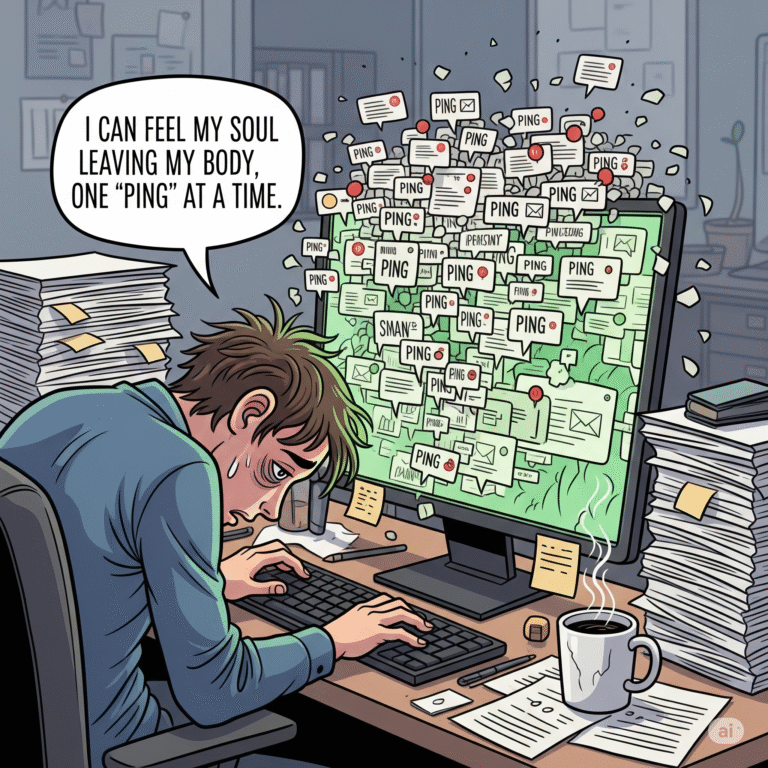
The world has shifted. We no longer live in an era where "showing up" is enough. We live in a digital landscape that demands our constant attention, vibrating in our pockets and flashing in our browser tabs. For the neurodivergent community: those of us navigating ADHD, autism, or sensory processing differences: this constant noise isn't just a distraction; it’s a barrier to survival.
As we move through this Lenten season, a time traditionally reserved for reflection and sacrifice, I want to propose a different kind of journey. Instead of simply "giving something up," let’s focus on taking back our mental space. Let’s embark on 40 days of focus. This isn’t about being more productive for the sake of a corporate bottom line. This is about neurodivergent success through visual energy management.
One of the simplest yet most transformative ways to achieve this is to change calendar colors google users have at their fingertips. It sounds small, but when your brain processes the world through a high-definition lens of patterns and sensory input, the colors on your screen are either a lighthouse or a storm.
Why Your Calendar is a "Double-Edged Sword"
For many of us, a digital calendar is a lifeline. Without it, appointments vanish into the ether. But it’s also a double-edged sword. A default Google Calendar, with its clash of random bright blues and jarring reds, can feel like a sensory assault. It doesn't tell you how an activity will feel; it only tells you when it is.
The question is, why do we settle for a visual system that doesn’t speak our language? Most productivity tools are built for a "standard" brain that can easily filter out background noise. When you have ADHD, there is no background noise: everything is foreground. By learning how to change calendar colors google settings allow, you are essentially building a custom dashboard for your brain. You are moving from passive scheduling to active visual energy management.

The Strategy: Visual Energy Management
Before we get into the "how-to," we need to discuss the "why." If you want to sustain 40 days of focus, you need a system that reduces decision fatigue. We use a framework called Energy-Level Color Coding. Instead of coloring your calendar by "Work" or "Personal," try coloring by the mental cost of the task:
- Deep Focus (Cool Blues/Teals): High-intensity cognitive tasks that require "the zone."
- Creative/Social (Vibrant Greens): Tasks that involve collaboration or expansive thinking.
- Administrative/Maintenance (Soft Yellows/Muted Oranges): The "boring" but necessary stuff that requires organized attention.
- Restoration (Soft Purples/Lavenders): Non-negotiable breaks, meditation, or sensory resets.
When you look at your week through this lens, you can immediately see if you’ve scheduled three "Deep Focus" tasks back-to-back. You can see the "desert of burnout" before you even walk into it.
Step-by-Step: How to Change Calendar Colors on Google
Ready to transform your digital space? Follow these steps to change calendar colors google and start your 40 days of focus with clarity.
Step 1: Access the Appearance Settings
Open Google Calendar on your desktop. Click the Gear Icon in the top right and select Settings. On the left-hand sidebar, look for General > Appearance. Here, you can toggle between "Modern" and "Classic" color sets. I highly recommend "Modern" for a softer, more mindful palette that is easier on the eyes.
Step 2: Customizing Individual Calendars
On the left side of your main calendar view, you’ll see your list of calendars (e.g., your name, Holidays, Birthdays).
- Hover over the calendar name.
- Click the three-dot menu (Options).
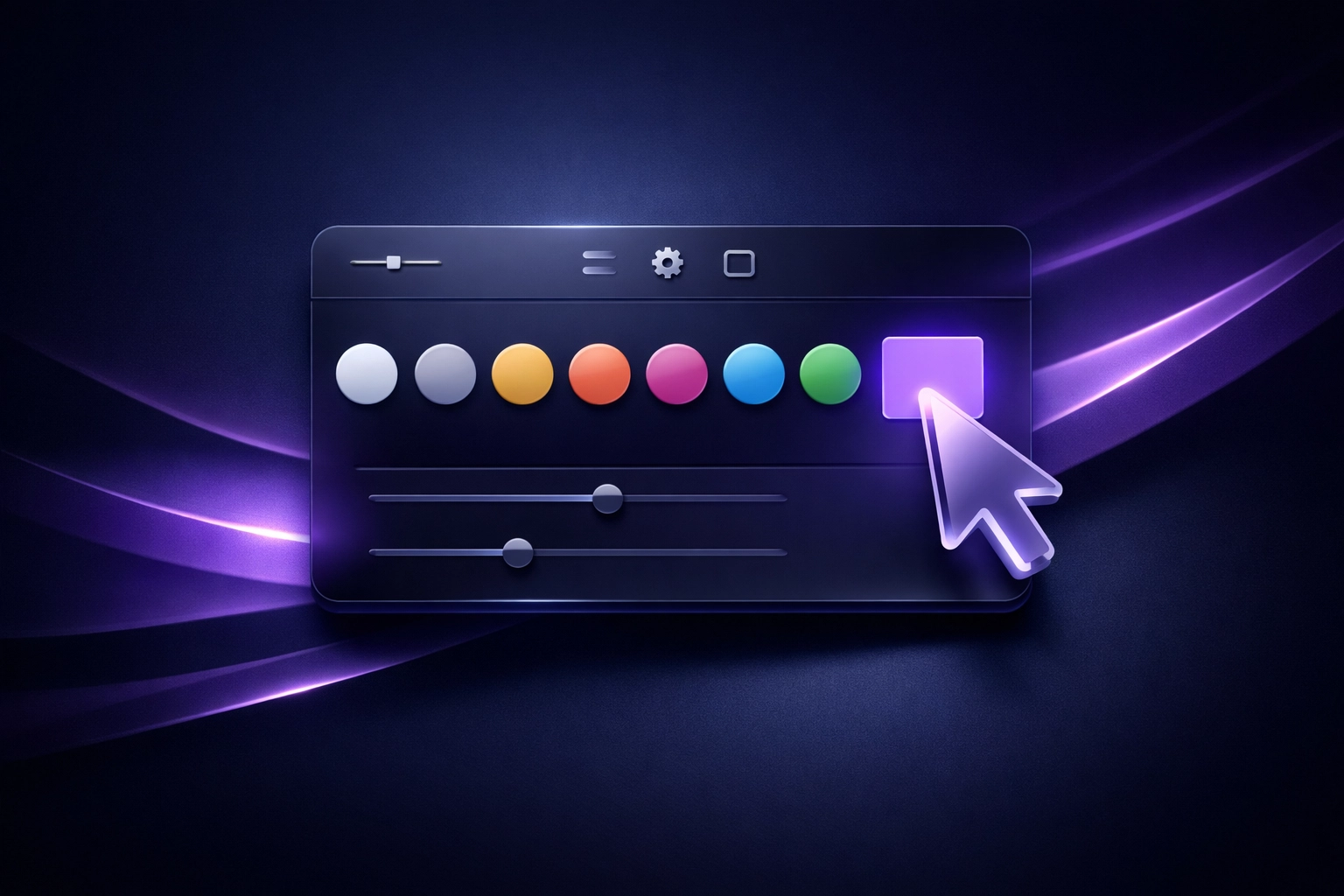
- Select a preset color, or click the + (Plus Sign) to add a custom color.
Step 3: Using Hex Codes for Mindfulness
The preset colors are often too "loud." To achieve true neurodivergent success, I recommend using custom Hex codes. Hex codes are six-digit codes that represent specific shades. You can find beautiful, calming palettes on sites like Color Hunt.
- Copy a hex code (e.g., #A2D2FF for a soft sky blue).
- In the Google Calendar color picker, paste that code into the Hex box.
Step 4: Color Coding Specific Events
Sometimes, an event is an outlier. Maybe a specific meeting is particularly draining.
- Right-click any existing event on your grid.
- Choose a color specifically for that instance.
- This allows you to "red flag" events that will require extra recovery time afterward.
Challenging the "Grey-Scale" Institution
It is easy for institutions to pat themselves on the back for "diversity and inclusion" initiatives while still demanding that every employee work within the same rigid, colorless structures. Why is it that we are expected to adapt to the tool, rather than the tool adapting to us?
Professionalism shouldn't be defined by how well you can tolerate a cluttered, unorganized interface. Real empowerment comes when we demand: and implement: workplace strategies that respect our sensory needs. If your manager asks why your calendar looks like a pastel painting, tell them the truth: it’s your system for visual energy management, and it’s why you haven't missed a deadline in three weeks.
The 40-Day Focus Challenge
As you embark on these 40 days of focus, I want you to treat your calendar as a living document. This Lenten journey isn't about perfection; it's about resilience.
- Week 1: Audit your current colors. Do they stress you out? Change them.
- Week 2: Implement the energy-coding system.
- Week 3: Practice "toggling." Google allows you to turn calendars on and off. If you’re at work, toggle off your "Personal" calendar to reduce visual noise.
- Week 4: Identify your "Burnout Red." If a day looks too "hot" with high-energy colors, move one task.
- Weeks 5-6: Reflect on how your internal state has shifted. Is your brain quieter?

Building Resilience Through Community
We often think of resilience as something we do alone: gritting our teeth and pushing through. But true resilience is built through better systems and community support. At Dr. Disruptor, we believe that when you change calendar colors google settings, you aren't just "fiddling with a computer." You are setting a boundary. You are saying, "My time and my energy are valuable, and I will protect them."
For more resources on navigating the digital world with a neurodivergent brain, check out our portfolios or see how we’ve unboxed other tools designed for visual thinkers, like the Cozyla Calendar.
A Vision for Change
The question is, how can we achieve a world where these "accommodations" are just the standard? It starts with us. It starts with you taking these 40 days to prove that when the environment is right, your focus is unstoppable.
You have the power to redefine what success looks like. It doesn't look like a cluttered, overwhelming list of "to-dos." It looks like a balanced, color-coded map that leads you exactly where you want to go.
Let’s use this season to break down the internal barriers of "I should be able to do it the way everyone else does." You don't have to. You just have to do it the way you do.
Ready to start? Open that tab, change calendar colors google gave you by default, and take your first step into 40 days of focus. You’ve got this.